
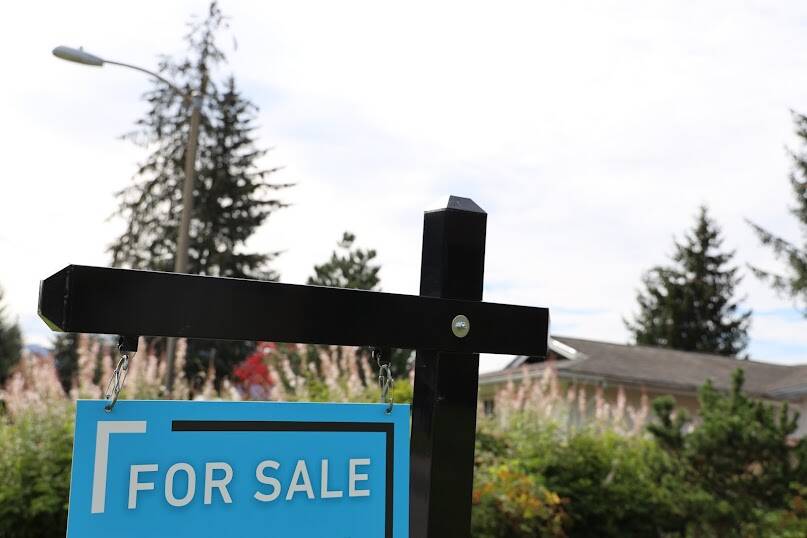
The City and Borough of Juneau recently released an FAQ related to a local ordinance that requires buyers to disclose the price paid for real property that could be repealed by a ballot initiative in this fall’s municipal election. However, those behind the initiative say the FAQ is lacking.
On Thursday Juneau’s finance staff released a webpage dedicated to answering a series of frequently asked questions about CBJ’s current real estate mandatory disclosure policy — which requires buyers in the area to disclose information to the city like the names of the seller and buyer, the actual amount paid or to be paid for the property, the terms of sale and the estimated value of any personal property included in the sale. The policy, established by a 2020 ordinance, sets Juneau apart from most of Alaska as the state is among the 12 others in the country deemed “non-disclosure” states — meaning that the state government does not require disclosure of such information.
However, Alaska does leave the door open for local governments to self-determine within their boroughs. In this case, Juneau did so — and was the first city in Alaska to do so as well.
The FAQ comes closely ahead of October’s municipal election which includes a ballot that the FAQ seeks to answer questions surrounding it. The initiative — which was brought on by members of the public — seeks to repeal the 2020 city ordinance that made mandatory disclosure a requirement in the area.
The city is not authorized to advocate for or against the initiative, after the Assembly nixed an ordinance in early August that would have allotted $25,000 and allowed the city to advocate for keeping the ordinance.
Jeff Rogers, the CBJ finance director and lead writer for the FAQ, said he spent around a few weeks writing it — along with the help of the CBJ manager’s office, city’s department of law and assessor’s office — so that it could be included in this year’s voter information pamphlet.
City Manager Rorie Watt said in a message to the Empire that he thought the FAQ stated the facts well and had nothing to add in response.
Rogers said the city then created the FAQ as a way for the city to “put factual information on the table to the public without expressing any opinion about the ballot measure.”
“We have been self-critical about separating facts from opinion so if indeed the ordinance did pass, we would have been in a position to not only express facts but also our professional opinions,” he said. “I believe very pertinently that what we shared in the FAQ is factual information and is not intended to influence the outcome of the election.”
Rogers said since the fate of Juneau property disclosure will ultimately come down to what voters decide, the FAQ was made “to give everyone the same information to keep in mind about the ballot measure.” He said he encourages people to read the FAQ and said there is information that people may not know, and it would be a good asset to be informed before voting.
Public pushback
The 2020 ordinance has been met with pushback since its enactment, and it was at first often been ignored by buyers in the area. That significantly changed when the Assembly added a requirement of a $50-per-day fine to buyers who did not comply with the ordinance starting late June.
The decision to implement a fine was met with even more pushback and ultimately sparked a successful petition campaign for a ballot initiative that would reverse the ordinance. A group known as the Protect Juneau Homeowners’ Privacy led the signature-gathering effort.
Tonja Moser, a Realtor with Latitude 58 real estate group and current board president of the of Southeast Alaska Board of Realtors who was a a part of the committee that pushed for the repeal to be on the ballot, said she urges people to vote yes for the initiative and seek more information on the topic before voting.
Moser said the 2020 ordinance was poorly timed as it was passed while Juneau is currently in a huge bubble — meaning a rapid increase in the market price of real property — and that meant people are paying “top” dollar for property and raise real property valuation assessments which may increase property taxes and cause a higher tax burden.
Karen Wright, a Realtor with Southeast Alaska Real Estate, and the past president of Southeast Alaska Board of Realtors, said the FAQ did have accurate information, but said it also left out some information that would give people a more accurate picture of what was happening as a whole.
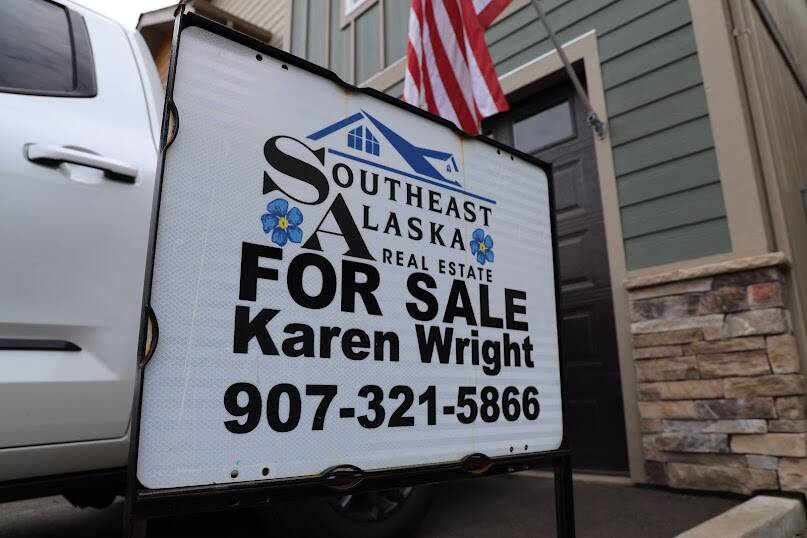
A for sale sign sits outside a condo in the Mendenhall Valley area. The realtor for the property, Karen Wright, said the City and Borough of Juneau’s recently released FAQ did have some accurate information, but said it also left out some information that would give people a more accurate picture of what was happening as a whole. (Clarise Larson / Juneau Empire)
“It’s definitely the city’s response, they’re fighting to keep disclosure laws in effect — they want disclosure laws to be in effect,” she said. “They claim they need it for accurate assessments but the reality is that they don’t have accurate assessments.”
She said expressed displeasure with the public process surrounding the 2020 ordinance and said requiring disclosures open a way for the city to start charging transfer taxes —a tax on the passing of title to property from one person to another, essentially a transaction fee — in the future, though Alaska doesn’t legally require a transfer tax at the moment.
“It’s just another way for the city to raise additional revenues, granted that has not happened yet, but it does open up that door,” she said. “We are trying to get that repealed because we are all about private ownership of property and the ability for people to actually afford their homes and buying and selling homes — by adding additional taxes, it really restricts that.”
She said she thinks repealing the ordinance will benefit and help protect private property owners and rights. She said that voters should seek more information on the topic beyond the city’s FAQ, as she said there is more information out there that would give voters a more accurate depiction of what repeal would do.
Rogers said he is likely to add more answers to the FAQ as more questions get asked among the public and city staff, and said he encourages people to reach out to him about any more questions they want answered.
“We wanted to have one common place that we could go to and have neutral fact-based information and really just have a common, durable, repeatable fact-based statement of the information that we have and what the city agreed were indeed facts and were not meant to influence the outcome of the election,” he said.
• Contact reporter Clarise Larson at clarise.larson@juneauempire.com or (651)-528-1807. Follow her on Twitter at @clariselarson.
