
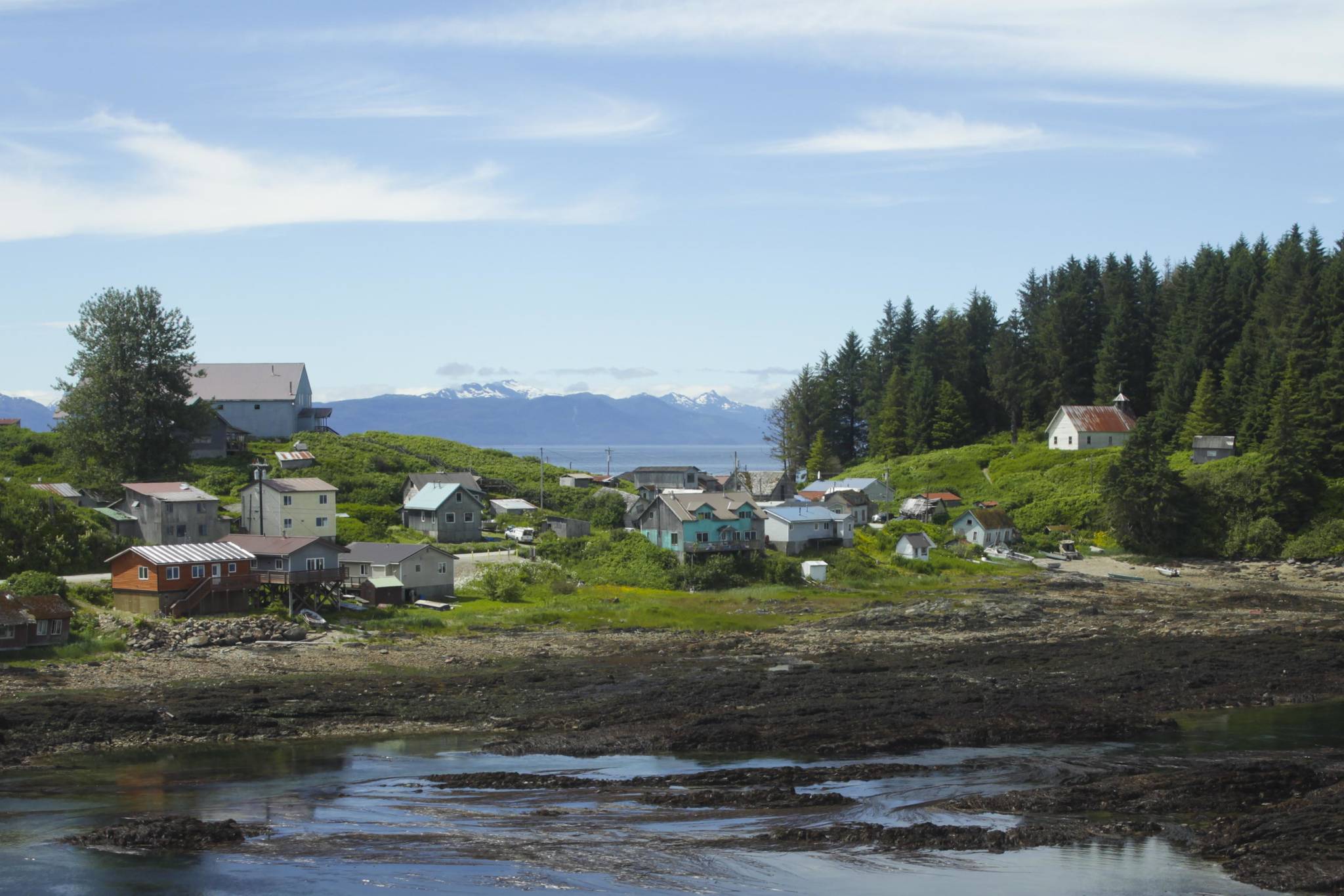
The Power Cost Equalization program is one with a decades-long legacy in Alaska of helping to make rural power affordable with the savings generated by infrastructure improvements in urban areas.
It’s affected by what’s known as “the sweep,” an accounting mechanism wherein all the funds for the year’s upcoming PCE funding, among other accounts, are zeroed on June 30, and require a three-quarters vote in both houses of the Alaska State Legislature to reverse the sweep, funding the program for the following year.
This year, it hasn’t gotten that vote, which is tied up with legislative politics around the Permanent Fund Dividend. Legislative leaders have stated an intent to reverse the sweep during a third special session scheduled for Aug. 2. Without the PCE, said Alaska Energy Authority executive director Curtis Thayer, the cost per kilowatt for rural customers could be a dollar — or more. But communities won’t feel the bite immediately, Thayer said.
[2 indicted on murder charges in Glacier Highway death]
“Communities are not going to see a major effect unless this drags on beyond August,” Thayer said. “We want to process those payments.”
The PCE program was created in its current form in 1985, Thayer said, birthed by the strange realities of life and peculiar geographical distribution of communities in Alaska.
“It’s kind of unique to Alaska, and it’s kind of unique to use the endowment to lower power costs,” Thayer said. “Where urban Alaskans are, in cities, it’s 20 cents a kilowatt. In rural communities, it could be more than a dollar a kilowatt.”
In comparison, the average American pays about 13 cents per kwh, according to the U.S. Energy Information Administration. However, the PCE program drifting without funding isn’t an entirely unknown scenario, Thayer said.
“It happened once before, three years ago. It was not an ideal situation but it was reinstated by late July,” Thayer said. “We have a communications plan. We are working with the Legislature to inform them.”
While anything that affects more than 83,000 Alaskans, more than 10% of the state, is a big deal, Thayer said they’re not in unfamiliar waters. One of the things the AEA has worked to do is to get communities involved in the PCE program to change to electronic forms of payments, so when the state releases the funding, it can go through immediately, instead of working its way through the postal system.
“With anything, when this affects 193 communities, there’s a lot of concern,” Thayer said. “We want to encourage all communities to continue filing because they’ll get their payments faster.”
The Regulatory Commission of Alaska, a state-run utilities regulation body, is responsible for determining the PCE payments, which go directly to the 193 communities that are eligible to participate in the program, Thayer said.
“During each following state fiscal year, the Regulatory Commission of Alaska calculates a base rate for PCE payments,” said an AEA fact sheet. “That base rate is derived from the weighted average retail residential rate in Anchorage, Fairbanks, and Juneau.”
The PCE payments come to about $2-2.5 million per month or roughly about $30 million per year, Thayer said. PCE payments come entirely from the PCE fund’s endowment, which earns $50-70 million per year.
• Contact reporter Michael S. Lockett at 757-621-1197 or mlockett@juneauempire.com.
