Commercial crab fishery closed for 2023-2024 season
Published 9:30 pm Wednesday, August 30, 2023

The Alaska Department of Fish and Game has closed the commercial red and blue king crab fishery for the 2023-2024 season, the sixth year in a row, citing stock survey numbers that remain well below the regulatory threshold.
The survey estimated 119,000 pounds of legal male red king crab are available for harvest, significantly below the 200,000 pounds required to open the commercial fishery, said Adam Messmer, lead king/tanner crab biologist for ADFG.
While that’s an improvement from last year, where the survey estimated 95,000 pounds, improvement does not mean they are a harvestable size, Messmer said.
Four of the seven areas surveyed — Lynn Sisters, Juneau, Gambier Bay, and Seymour Canal — saw improvement, but the Southeast region is managed as a whole, with biomass estimated from surveyed areas and extrapolated to the region. The other three are Pybus Bay, Excursion Inlet and Peril Strait. They used Peril Strait data from last year because it’s been low enough they’re doing the survey every other year, he said.
The announcement made Wednesday is a blow to commercial fishers, who saw a significant drop in prices for chum (dog) and pink (humpback) salmon this year.
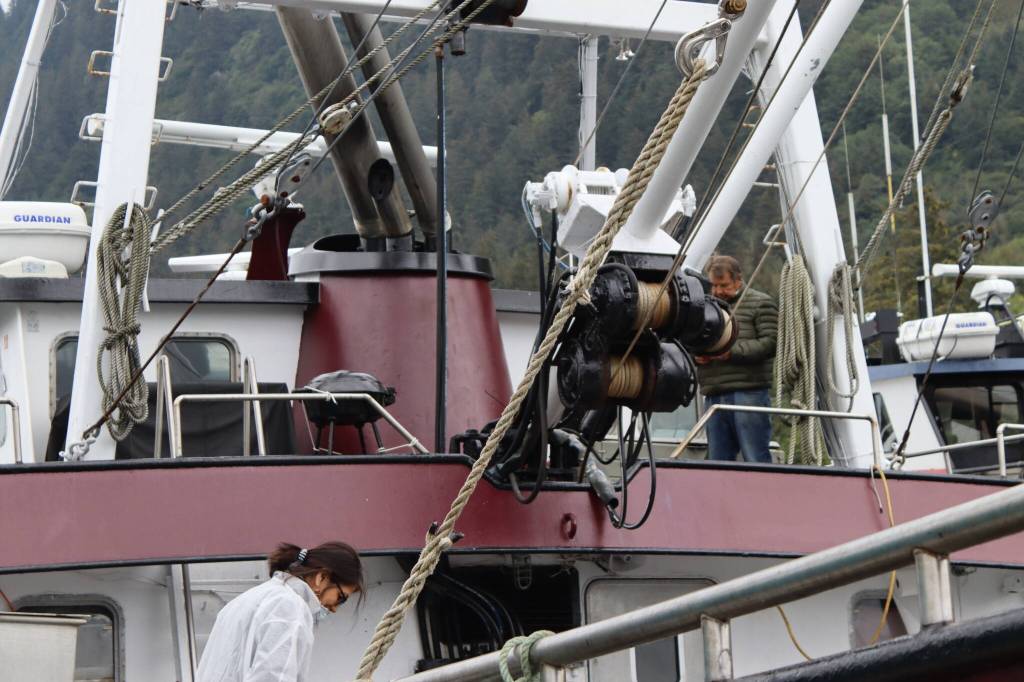
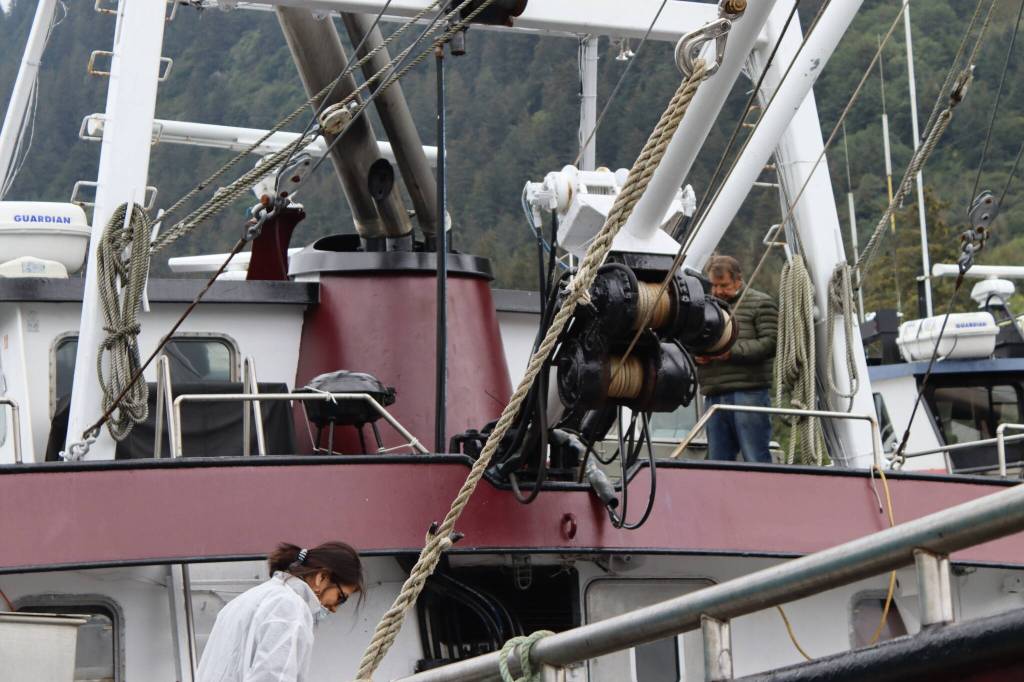
“If they would open up the crab season for 10-15 days it would help bail us out of a terrible season,” said Norval Nelson, owner and operator of Star of the Sea, which was in Aurora Harbor. He made his comments before he learned of the news.
Chum prices have fallen to about 20 cents per pound, compared to more than $1 a pound last year, he said. “There are plenty of guys who just went home. You can’t afford to fish for that.”
Nelson said he didn’t think it was fair that sport fishers are permitted for up to three crab per household, where commercial fishers are allowed no access. Sport fishers saw an increase in the number of crab they can take this year, from two to three, as well as an increase in the fishing period from three days to a week.
Messmer said the split between personal use (PU) and commercial in Juneau is 60-40, but the 40% “stays in the water” unless they surpass the 200,000 regulatory estimate regionwide. The 60% PU has a small segment set aside for the winter fishery, which will open again in early January. The time period will be determined later in the year.
ADFG has issued 1,500 permits for personal use this year, about two-thirds of which have not yet been returned.
“Not everybody got three crab,” said Messmer. “Not even close.”
The system requires the permits be returned or the permit holder is not allowed to get another one. The PU crabbing period closed Aug. 21.
The better question might be whether the improved survey numbers portend an open commercial crab fishery next year.
“It is moving in the right direction,” said Messmer. “Some of these bays that are getting better are still one to two years away from legal size,” which is seven inches.
“I don’t think people realize how long it takes to grow these things,” he said. A crab can be seven to nine years old “and barely be legal.”
But it’s also better for the species to have older crab — bigger crab — in the mix. “It’s more bang for the buck for the female.”
“Recruitment pulses,” where a large number of larvae have survived natural predators and environmental conditions to grow into juveniles at once, are needed to sustain the fishery. A pulse used to happen somewhere between five and seven years and is now at 15 years.
The stock is evaluated in terms of legal biomass – which refers to crabs that are at least 7 inches — and mature biomass, which are all legal crabs and ones that are one molt away from being legal.
“The idea is you’re letting crab mate at least one time before they reach legal size,” Messmer said. The regional legal biomass increased by 9% and mature biomass increased by 20% from the previous year.
News about the decision to keep the fishery closed again this year was released about a month earlier than last year for the season, which starts Nov. 1. “We decided to come out with an advisory for commercial a little earlier so fishermen could plan their fall better,” said Messmer, adding he had been getting between 10 and 15 inquiries a day.
The Regional Information Report, which contains data about the surveys, is usually released with the decision. It will be published toward the end of the month.
• Contact Meredith Jordan at meredith.jordan@juneauempire.com or (907) 615-3190.