
The Alaska Marine Highway System’s proposed winter schedule might not be as sparse as some initially feared, but even after an updated announcement last week addressed some concerns there were still plenty of complaints about no or insufficient service as the public comment period ended Friday.
The primary concern remains service gaps between Jan. 4 and March 1, with residents from Southeast, Prince William Sound and Southwest Alaska all voicing objections. Issues ranged from access to urgent needs such as health care to school groups traveling for activities to limiting travel in and out of state by eliminating stops in Port Rupert, British Columbia.
Updates on some aspects of winter operations from October until next April were provided by top ferry and state transportation officials during an Alaska Marine Highway Operations Board meeting Friday. But they emphasized the final schedule plan remains undecided until the end of the public comment period — which still had hours remaining at the time of the meeting — and there are issues beyond the availability of vessels that are undergoing or scheduled for maintenance.
“In the short term this employee (shortage) issue is going to more (significantly) rear its head on what can be run and can’t be run in the near future,” said Keith Hillard, a board member and one of the two permanent captains on the MV Matanuska. “We’ve barely got enough bodies to keep the boats we’ve got going.”
An overview of the proposed winter schedule released Aug. 16 by the state Department of Transportation and Public Facilities stated there would be “service gaps” in the northern panhandle between Jan. 4 and March 1, Southwest Alaska between Jan. 6 and Feb. 28, and Prince William Sound between Oct. 1 and Nov. 30. But DOT issued a clarifying update two days later following a rush of comments from people in communities who thought they were being entirely cut off.
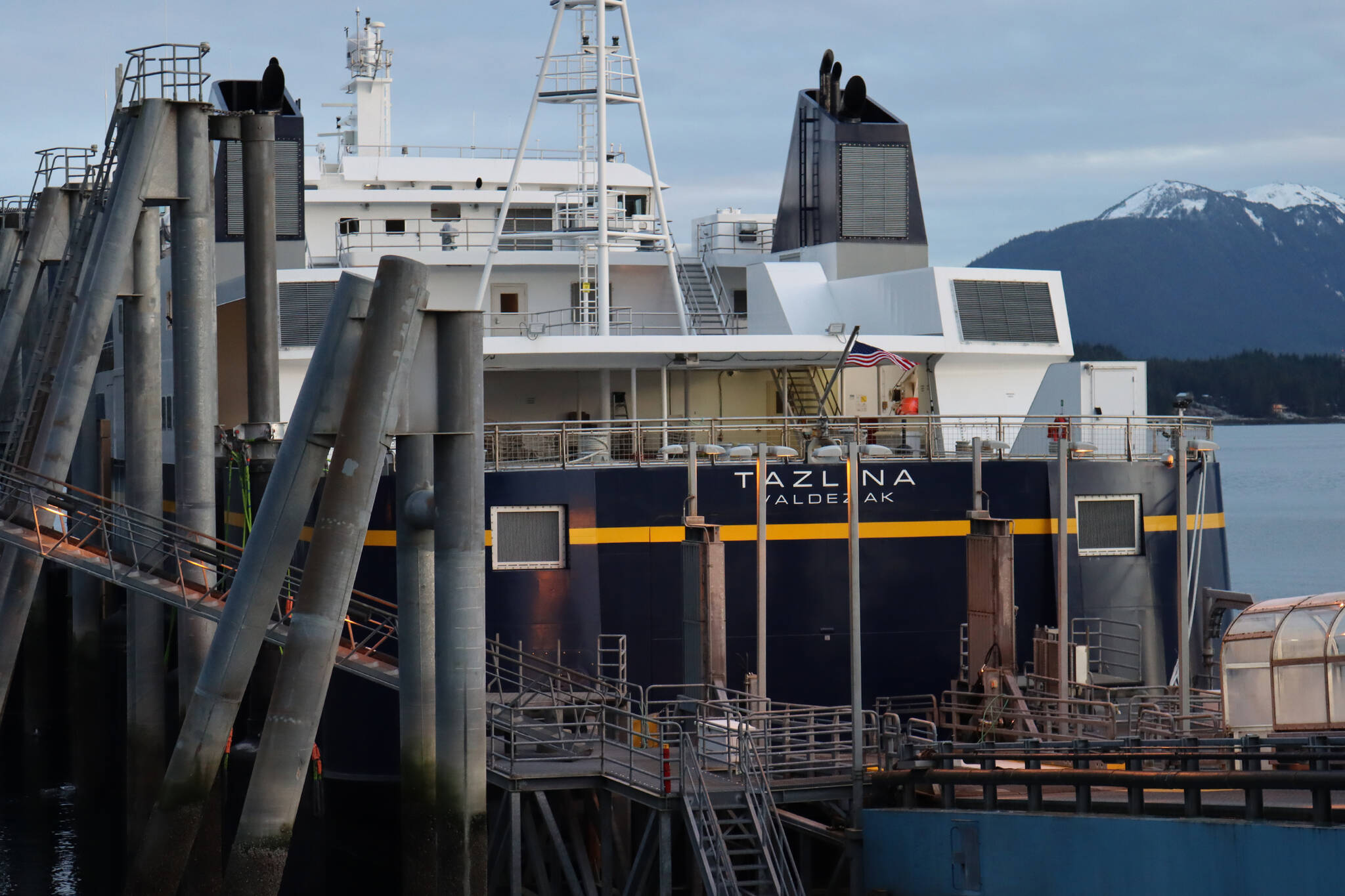
“Lynn Canal and Northern Panhandle WILL have service from Jan. 4 to March 1,” the update notes. “We are doing several things to ensure continued service when the LeConte is in overhaul. We’re planning on bringing the Tazlina back into service just like we did last year. If for some reason we are unable to crew up the Tazlina, we have supplemental service contracts with Goldbelt and Allen Marine that we can use for Hoonah, Gustavus, Angoon, and Pelican, and with union agreement, Haines and Skagway as well.
“Also the Columbia WILL be running! It will be servicing Haines, Juneau, Ketchikan, Petersburg, Sitka, Skagway and Wrangell, during this time.”
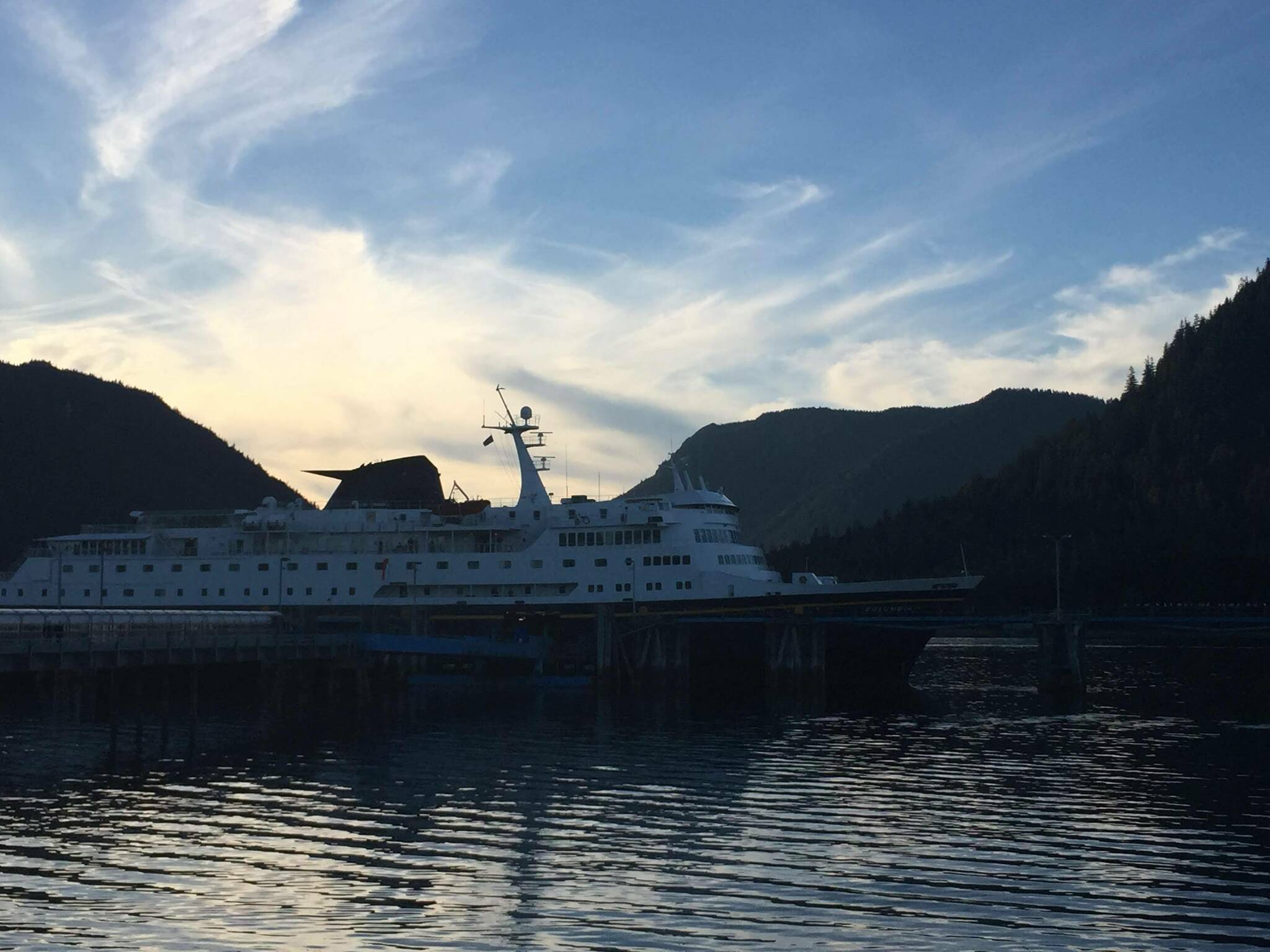
This August 2018 photo shows the MV Columbia in Petersburg. The Columbia is scheduled to return to service this winter for the first time in three years, according to the Alaska Department of Transportation and Public Facilities. (Ben Hohenstatt / Juneau Empire File)
That update didn’t go over well with residents of communities not listed, as well as some people in towns stating the scheduled level of service remains insufficient.
“Please add Kake to the schedule,” wrote Penny Ashenfelter, a resident of the 540-person Southeast Alaska town. “The ferry allows us to go to medical appointments, travel for student activities throughout the school year, and to load up our vehicles with groceries and also if our vehicles need to be serviced this allows us to bring vehicle in. Also in the winter flying is limited sometimes because of weather and the cost of bringing a family on vacation is more affordable than flying.”
Similar concerns were expressed by Wally Roman, a Tenakee Springs resident, who noted “we now have a new and expensive ferry dock, it would be nice to have a ferry use it to provide service to our community.” He also questioned the lack of winter service to Prince Rupert, B.C., stating that “prohibits travel south for vehicles and most residents.”
Several Haines residents submitted comments expressing concern about the lack of winter service that is needed for vital purposes including medical appointments in larger cities. Caitlin Stern, a Juneau resident who grew up in Haines and whose parents still live there, was among the commenters continuing to state the intended level of service is inadequate following last week’s update.
“I find the frequency of ferry service between Juneau and Haines in the proposed schedule insufficient, especially in January and February,” she stated. “My parents frequently need to come to Juneau for medical appointments and to visit their grandchildren. It is extremely difficult to coordinate these visits with the proposed frequency of ferry service.”
For a couple of residents in neighboring Skagway, the timing of the three ferries docking per week during the winter was of concern.
“It would be much better and more feasible if, instead of Friday, Saturday and Sunday, we had a ferry during the week,” wrote Debbie Ackerman, an insurance employee in the town already suffering from the loss of its cruise ship dock for the remainder of the summer due to a lamdslide. “If we have doctor or dentist appointments, we are stuck paying for a hotel for an entire week. Seriously, a Tuesday or Wednesday sailing would be more appropriate. If you want to keep it to three sailings a week remove the Saturday sailing.”
Other regions relying on ferry service are expressing similar concerns and questioning if they’re being unfairly shortchanged.
“Better than last year, but why does (Southwest) have zero ferries Jan.-March while (Southeast) continues to have year-round service?” commented Alison Rein, chair of the planning commission in Seldovia. “Better to spread the pain around rather than have us be totally without! Even having a severely reduced schedule of maybe two ferries/month would seem more fair.”
Concern was also expressed about service during the upcoming session of the Alaska State Legislature.
“No cross-gulf service for the legislators and staff that come for legislative session?” inquired Vicki Van Fleet, a Juneau resident. “What exactly are you people playing at? And where has all the (federal transportation funding) gone to?”
• Contact reporter Mark Sabbatini at mark.sabbatini@juneauempire.com
