Changing course on ferry plans
Published 10:30 pm Wednesday, July 27, 2022


Big budget cuts and privatizing the Alaska Marine Highway System have been themes for Gov. Mike Dunleavy during much of his first term. But his top transportation official said Thursday better times for the system are ahead, thanks largely to a huge infusion of federal funds, as the governor enters his fall election campaign.
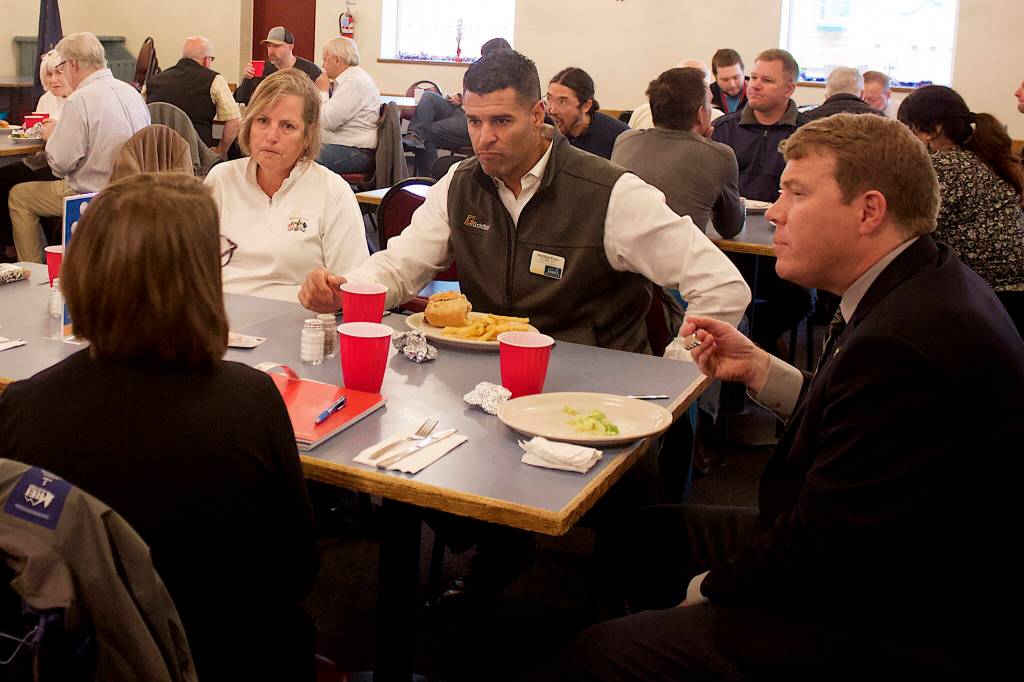
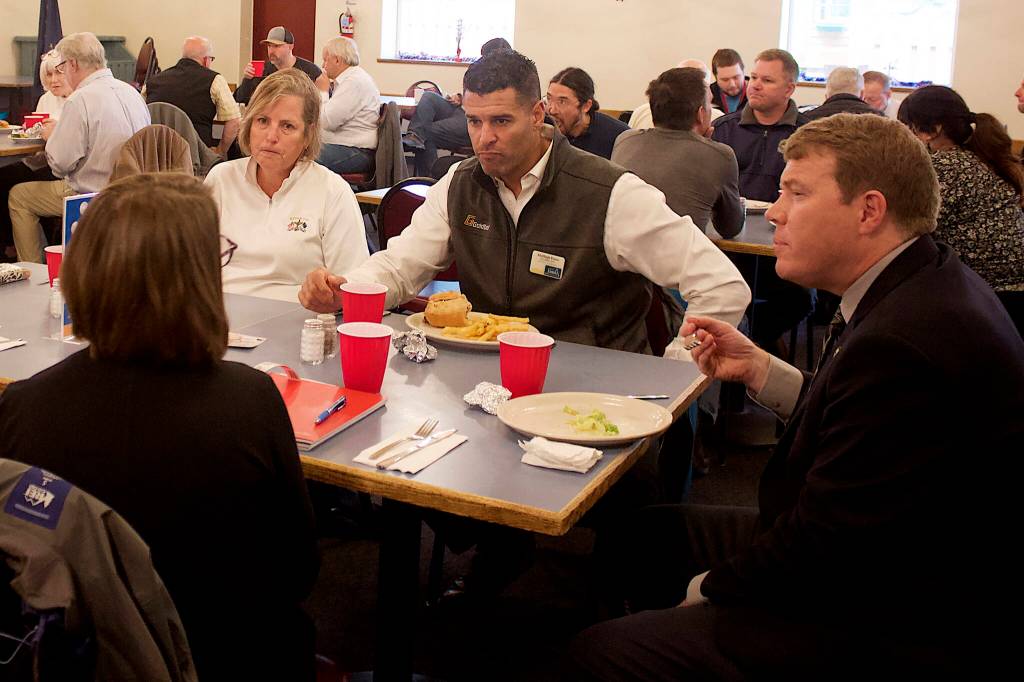
The ferry system received a “D” grade on the state’s most recent infrastructure report card, which even for a report with an overall grade of “C-minus” shows “we’ve got work to do there,” said Ryan Anderson, commissioner of the Alaska Department of Transportation and Public Facilities, during his presentation at the Juneau Chamber of Commerce’s weekly lunch at The Moose Lodge.
That work includes a policy shift due to factors such as the federal funds and issues arising during the governor’s first term such as the COVID-19 pandemic, Anderson said in an interview after the presentation.
“There’s no intention to privatize right now,” he said. “We’re just trying to keep the ships running.”
Funding from sources such as the federal infrastructure bill, which includes $3.5 billion in federal highways funds and $1 billion for “essential ferry service” in rural areas, means projects ranging from new low or no-emission vessels to a terminal at Cascade Point are envisioned in the future, Anderson told the chamber audience of about 30 people. Funds will also allow the state to pursue a long list of infrastructure and upgrade projects for all means of transport ranging from electric vehicle chargers along the state’s main highways to pedestrian paths in Hoonah.
“Without that we would have some tougher times making those investments,” he said afterwards.
That said, there remain immediate problems associated with ongoing labor and supply issues, sxuch as the current cancellation of sailings by the MV Tustumena, which is docked in Homer until at least Saturday due to staffing shortages.
“We ran out of stewards,” Anderson said during his presentation. “Those crews have been working hard. The captain made the call that due to safety he wanted to do that.”
The severity of staff shortages varies throughout the department, resembling in some ways the larger statewide and national problems. He said supply issues are also a primary reason some projects are experiencing delays.
Among the most notable and controversial of the Southeast Alaska ferry project proposals is a $30 million lease with Goldbelt Inc. for a terminal on its property at Cascade Point, well to the north of the current Auke Bay terminal. Anderson responded to criticism about the proposal by stating “there are operational advantages for the Alaska Marine Highway” including lower fuel costs and other savings due to the shorter distance to Skagway and Haines. He also said there are logistical advantages.
“When we started working our scenarios for the summer season in Lynn Canal six-day (a week) service from Cascade Point is possible,” he said.
However, Anderson noted “we need to do a bit of demand forecasting” to determine how the COVID-19 pandemic is affecting current and expected future travel. As for concerns expressed about people without vehicles getting from the terminal to Juneau “that’s something we’re going to address.”
Looking ahead to longer-term maintenance and upgrades, Anderson one recently brought to the state’s attention with the ferry system is the MV Matanuska, whose dead-end corridors are now considered a safety issue.
“There’s a fire escape hazard we need to fix within the next three to five years or we’re not going to be able to run that ship,” he said.
Other recent developments are advancing hopes for new vessels, including federal grant funds announced earlier this month for low and no-emission electric vessels, Anderson said. He said the state is partnering with the Southeast Conference about possible design and operational proposals.
“There’s been no decision made on where there might be yet or what type of ship might be sought,” he said, but added after his speech there’s about a month until the federal deadline to submit a formal proposal.
• Contact reporter Mark Sabbatini at mark.sabbatini@juneauempire.com.