Capitol Live: Alaska Reads Act gets its first hearing
Published 1:30 am Thursday, January 23, 2020


4:46 p.m.
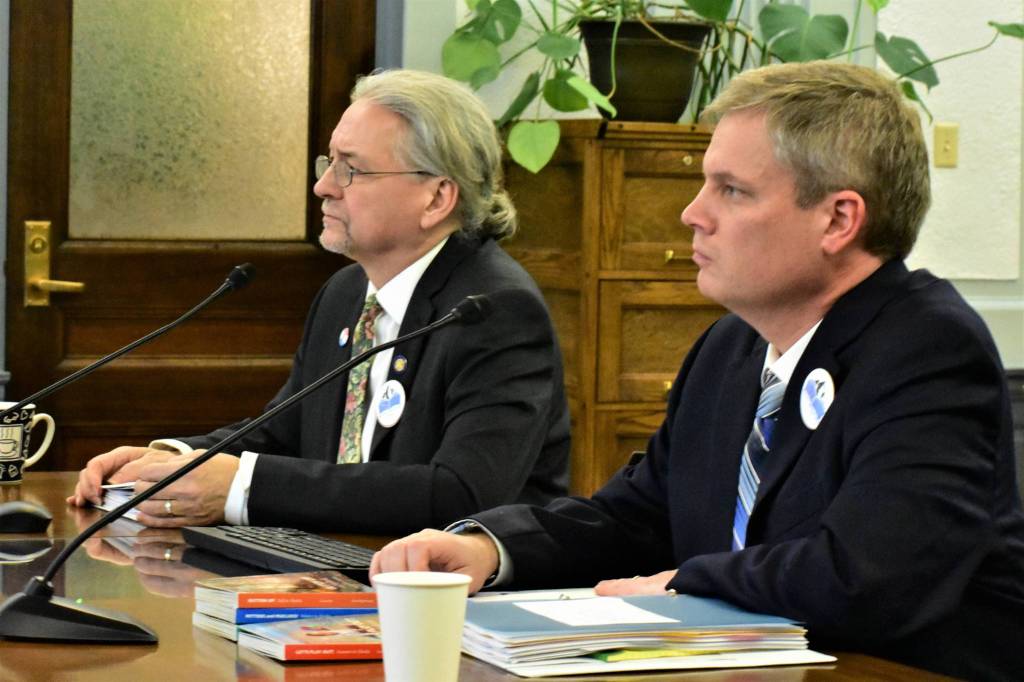
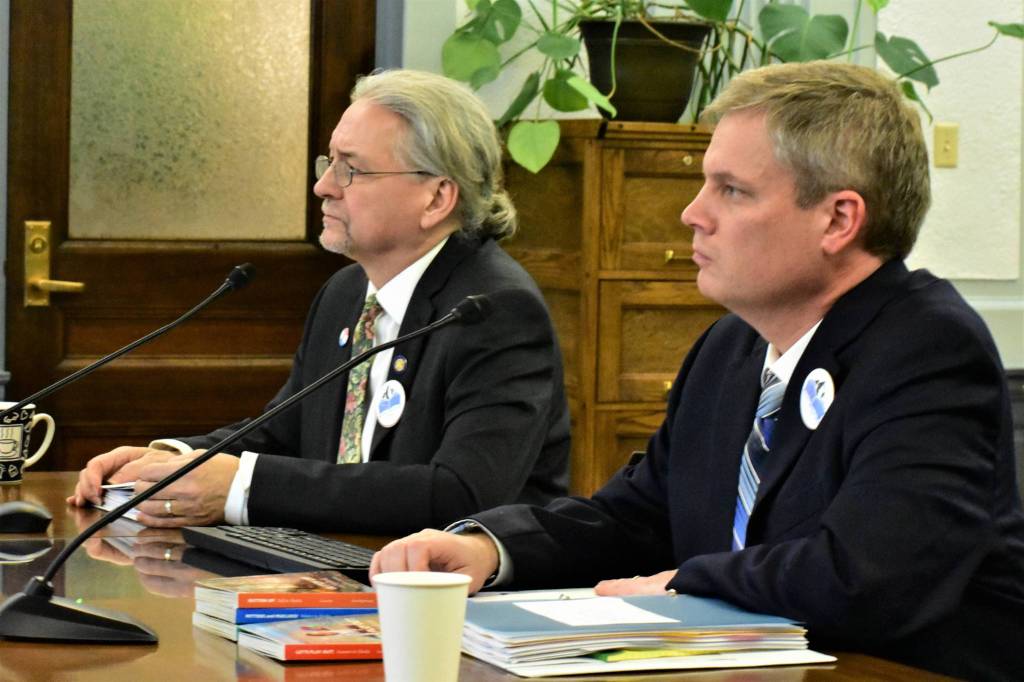
The bill includes a literacy program, Hardin says. That program would allow for state intervention and aid for intensive reading programs for eligible schools. DEED would provide materials and staff for reading intervention programs, the bill says.
DEED would hire an independent contractor to determine the effectiveness of the intervention programs, Hardin says in response to a question from Sen. Shelly Hughes, R-Palmer, about transparency in the program.
4:30 p.m.
One of the critical components of the bill is how is counts students. Students in early education programs would be counted as one-half of a full-time student, according to the bill. Student count is critical for schools because it determines their eligibility for state funds.
The bill also requires reading intervention programs, including specialized staff, to help students with reading disabilities. Schools must provide written notification to parents within two weeks of a student demonstrating a reading deficiency, according to Hardin.
Students will be judged for reading proficiency in more than one way, including by a teacher’s assessment. This is meant to give students that may not perform well on standardized tests multiple chances to show proficiency, Johnson says.
4:18 p.m.
Staff members are now digging into the details of the bill, things are moving much faster now as they work through the various sections of the bill.
The bill would also define early education programs allow state and federal funding for early education programs for four and five-year-olds, according to Erin Hardin, special assistant for the Alaska Department of Education and Early Development.
Lowest performing 10% of schools will be eligible for schools in the first year of the bill, according to Löki Gale Tobin from Sen. Begich’s office. That percentage will increase year to year, she says. Those grants will be used to strengthen the school’s early education programs.
4 p.m.
The ultimate goal of the act is to have Alaska students reading at grade level by third grade. Johnson is giving some background into the importance of early learning and early reading skills.
There are three main parts of the act, Johnson says: High quality pre-K, comprehensive K-2 reading policy and school improvement.
The “high quality” portion is important, Johnson says, and the bill has important screening mechanisms built into it in order to identify kids with learning disabilities like dyslexia as early as possible.
3:52 p.m.
Begich is reading a sponsor statement, which can be found online. The statement itself is fairly typical political fluff. But the senator has assured the committee there will be a very in depth analysis of the two bills under consideration.
Education Commissioner Michael Johnson is thanking the various members of the committee and other legislators for their work on this bill and other education bills that have influenced its contents.
“Your fingerprints are all over this,” Johnson says.
3:42 p.m.
Dunleavy reached out to Begich concerning pre-K reading as early as Dec. 2018, Begich tells the committee.
“The governor’s commitment to reading and literacy is a critical component,” of the act, Begich says as part of his opening remarks.
“We have extensively worked on this bill,” Begich says of working with the governor. “We put aside traditional labels of political right and left and focused on what these kids need.”
3:30 p.m.
The Senate Education Committee is having it’s first hearing of the Alaska Reads Act. There are actually two bills, one from Sen. Tom Begich, D-Anchorage and one from Gov. Mike Dunleavy. The bills are largely identical but have some slight differences.
11:42 a.m.
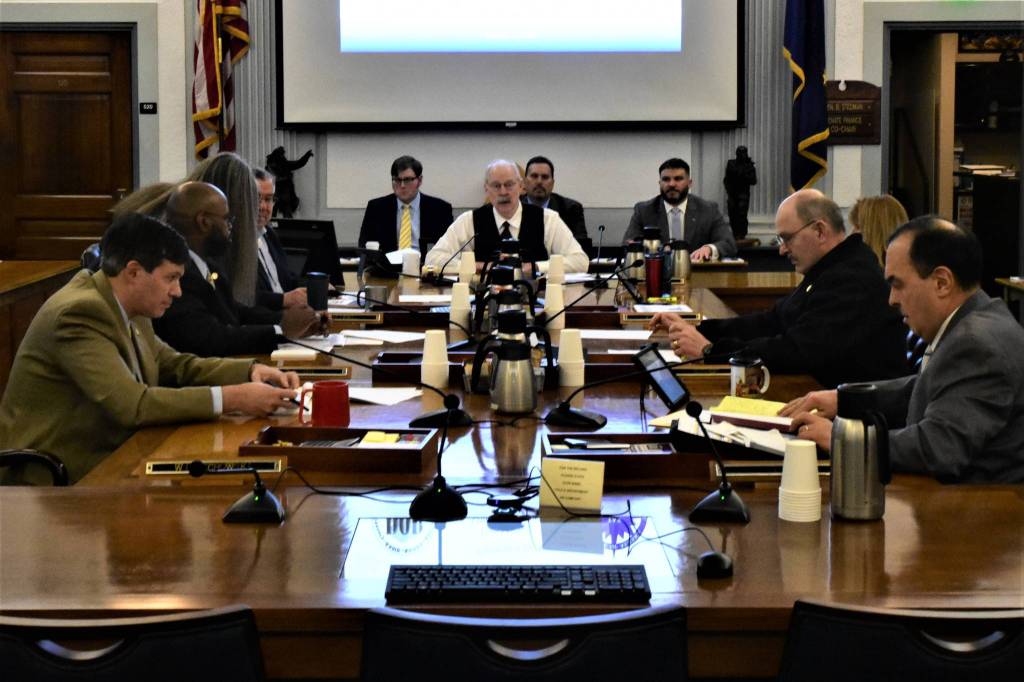
The Senate Finance Committee met this morning to discuss the state’s revenues. Department of Revenue staff walked senators through this year’s income as well as projections for the next few years.
The largest portion of the state’s income is from investments which go into the Permanent Fund, Daniel Stickel, DOR’s chief economist said. After that the largest portion’s of state revenue come from the federal government and petroleum revenues.
The rest of the state’s economy, including things like tourism, fishing and mining, accounted for roughly 10% combined of the state’s income, Stickel said.
With oil taking up so much of the state’s income, the majority of the presentation focused on oil revenues and production forecasts.
Oil revenues have been declining over the past few years, and projections show declines continuing due to drops in the price of oil, according to Stickel.
What to look for today
The Senate Finance Committee met this morning at 9 a.m. to take a look at the state’s revenues, which come mainly from investments and oil. A summary of the meeting can be found above.
At 3:30 p.m. the Senate Education Committee meeting will be discussing the Alaska Reads Act sponsored by Sen. Tom Begich, D-Anchorage, and Gov. Mike Dunleavy. You can read Ben Hohenstatt’s previous coverage of the act here.