Bits of fishing gear and buoys dominate marine debris load in Alaska, report says
Published 10:30 pm Tuesday, July 22, 2025

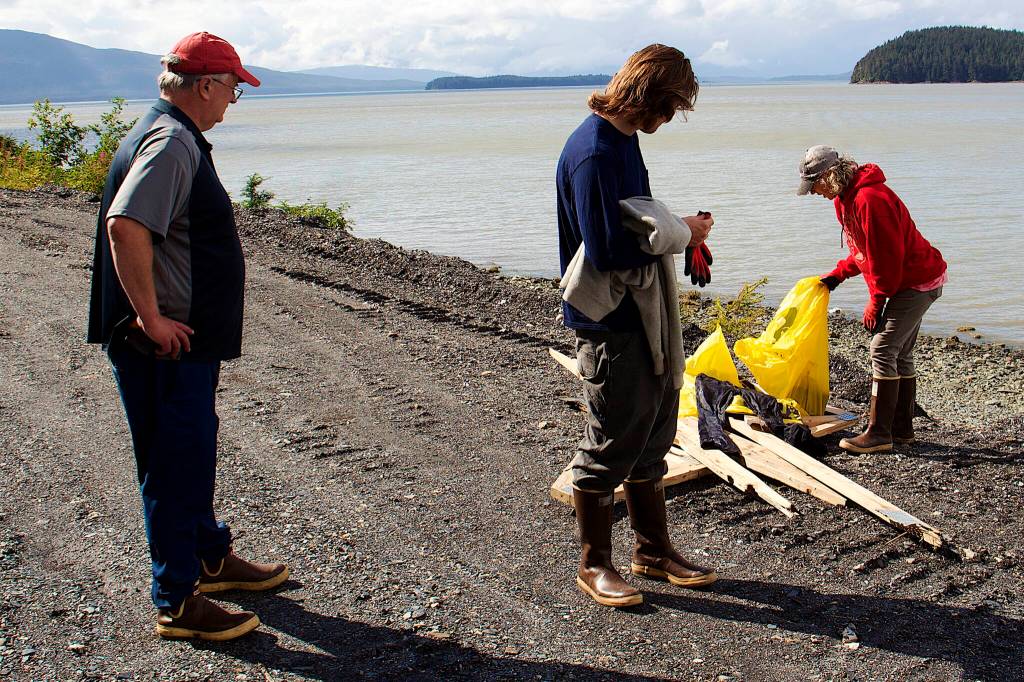


Marine debris that pollutes Alaska’s expansive coastlines is dominated by discarded fishing material, a stark difference from the debris found in other states, according to a new report.
The most frequently collected items in Alaska, as recorded by cleanup volunteers, are fishing net and net pieces; fishing line; rope and fishing buoys; pots; and traps, according to the report, which was released by the environment organization Ocean Conservancy.
Alaska’s mix is unlike other states, where cigarette butts, beverage bottles and food wrappers top the lists, according to the report, titled United States of Plastics.
The tallies – which are by number of items collected, not volume or weight – show how Alaska is particularly affected by marine trash that can be swept in from far distances, according to the report.
“Marine currents mean that plastic debris is a global issue, especially debris like fishing ghost gear,” Anja Brandon, Ocean Conservancy’s director of plastics policy, said by email.
The study points out how currents that surround the state can bring in plastic from afar, as well as take plastic debris from Alaska across the Pacific Ocean, she said.
The list of collected debris items is by number and not by volume or weight, Brandon said. By volume, plastic foam is among the most pervasive forms of marine debris in Alaska, according to past tallies.
The United States of Plastics report acknowledges Alaska — which has more miles of coastline than the Lower 48 states combined — faces challenges with distances, remoteness and lack of services to manage plastics and other marine pollution after it is collected.
“It is difficult to not only access many places in Alaska where marine debris impacts wildlife, but also to properly dispose of debris once it’s collected,” Brandon said.
Ocean Conservancy has an Arctic and Northern Waters team that just hired a staffer to focus on managing the plastic pollution that is collected “to make sure that debris collected in Alaska is properly disposed of in the lower 48,” she said.
Alaska, like most states, gets a relatively low “needs improvement” grade in the report for its statewide plastics policy. There are no statewide policies on single-use plastics or microplastics, though several municipalities have single-use plastic-bag bans. Recommendations for improvements include boosting services to help communities improve their reuse or refill systems, thus reducing the burden of shipping trash out of state.
The debris problem in vast stretches of Alaska has been documented in the past. In 2015, for example, a National Park Service project collected nearly 23,000 pounds of debris from the coastlines of five park units in Alaska, including remote Cape Krusenstern National Monument in the Arctic and Bering Land Bridge National Preserve in the Bering Strait region. By weight, 60% was hard plastic, 15% was rope and netting, and 13% was foam.
The Ocean Conservancy report, which contains recommendations tailored for each state, says rural Alaska communities should get help in handling the trash that flows from the ocean onto their coastlines.
A bill pending in the Alaska Legislature, House Bill 25, would bar the use of polystyrene containers to be used in restaurants and food carts, with certain exceptions. Polystyrene is a class of plastics that includes foam, as well as clear plastics. Sponsored by Rep. Andy Josephson, D-Anchorage, the bill cleared some committees and could get further action in next year’s session.
Federal policy could also affect marine debris efforts in Alaska.
For several years, the National Oceanic and Atmospheric Administration has been funding community cleanup projects, including those conducted by tribal governments.
In recent years, funding for marine debris prevention and removal projects has been provided through the bipartisan Infrastructure Investment and Jobs Act of 2021, a keystone policy of the Biden administration. The Trump administration has targeted the act’s projects for deep cuts and reversals.
So far, the Trump administration’s cuts and staff firings at NOAA have not targeted the agency’s marine debris programs specifically. However, the administration is proposing ending all funding for the nation’s Sea Grant programs. Alaska Sea Grant, a statewide collaboration between NOAA and the University of Alaska Fairbanks, helps coordinate cleanup, disposal and recycling projects through the Alaska Center for Marine Debris.
• Yereth Rosen came to Alaska in 1987 to work for the Anchorage Times. She has been reporting on Alaska news ever since, covering stories ranging from oil spills to sled-dog races. She has reported for Reuters, for the Alaska Dispatch News, for Arctic Today and for other organizations.
This article originally appeared online at alaskabeacon.com. Alaska Beacon, an affiliate of States Newsroom, is an independent, nonpartisan news organization focused on connecting Alaskans to their state government.