
For a few days, Juneau is serving as the center of collaboration between countries in the Arctic.
The Arctic Council’s Senior Arctic Officials (SAOs) are gathering in Juneau this week, along with representatives of the indigenous Permanent Participant organizations (PPs), to discuss various environmental issues that affect Arctic nations.
Aleut International Association (AIA) Executive Director James Gamble said he can’t recall an Arctic Council meeting ever taking place in Juneau. The countries rotate as chairs of the Council, and the U.S. is the current chair and is hosting the meetings this year. According to a statement from the council, Juneau serves as a good meeting place for this gathering due to its facilities and the fact that it opens the door for collaboration with the Alaska state government.
The bigger event is the Arctic Interchange, set to take place May 8-12 in Fairbanks. Chair of the Senior Arctic Officials and Ambassador David Balton said the talks in Juneau will be vital for the Arctic Interchange to accomplish what it needs to accomplish.
“The meeting in Juneau will set the stage for the upcoming Ministerial meeting in Alaska in May,” Balton said in a release, “where the Council will highlight its accomplishments over the past two years and set in motion the work that it will undertake over the coming two years.”
Alaska is the only part of the U.S. to reside partially in the Arctic, so the Council wants to hold the meetings in the state. Gamble pointed out that although it might be easier (and cheaper) to hold the meetings in Washington, D.C. or elsewhere in the contiguous 48 states, the Council is making a clear priority to keep the events as close to the Arctic as possible.
According to the release from the Arctic Council, discussions this week will center around scientific cooperation, Arctic economies, renewable energy, marine biodiversity, black carbon emissions and more.
Gamble is a great admirer of the way the Council operates, in that it makes a point to hear indigenous viewpoints. Alaska is a fitting place to hold the meetings, as it has the highest percentage of American Indians or Native Alaskans (2.9 percent) of any U.S. state, according to the National Congress of American Indians.
Involving indigenous organizations such as AIA — which is based in Anchorage — in the Council is a great benefit for two major reasons, Gamble said.
“One, because they’re living on the land day to day and they’re witnessing all of this happening, so they can tell the stories,” Gamble said, “but also because they have traditional knowledge which spans generations. That knowledge also tells a story of Arctic change. Without that knowledge, you’re not getting the full picture.”
The Council, which was created as part of the Ottawa Declaration in 1996, includes eight nations and six indigenous organizations. This mixture of viewpoints helps address common challenges, but it also helps countries share what they do well, Gamble said.
“You tend to think of your neighbors as who you ask for help,” Gamble said, “but sometimes it’s somebody on the other side of the Arctic who might have the solution. We want to talk about what we do well so that maybe, for instance in Greenland, they can look at the Alaska example and say, ‘Yeah, that’s a way we want to do this.’”
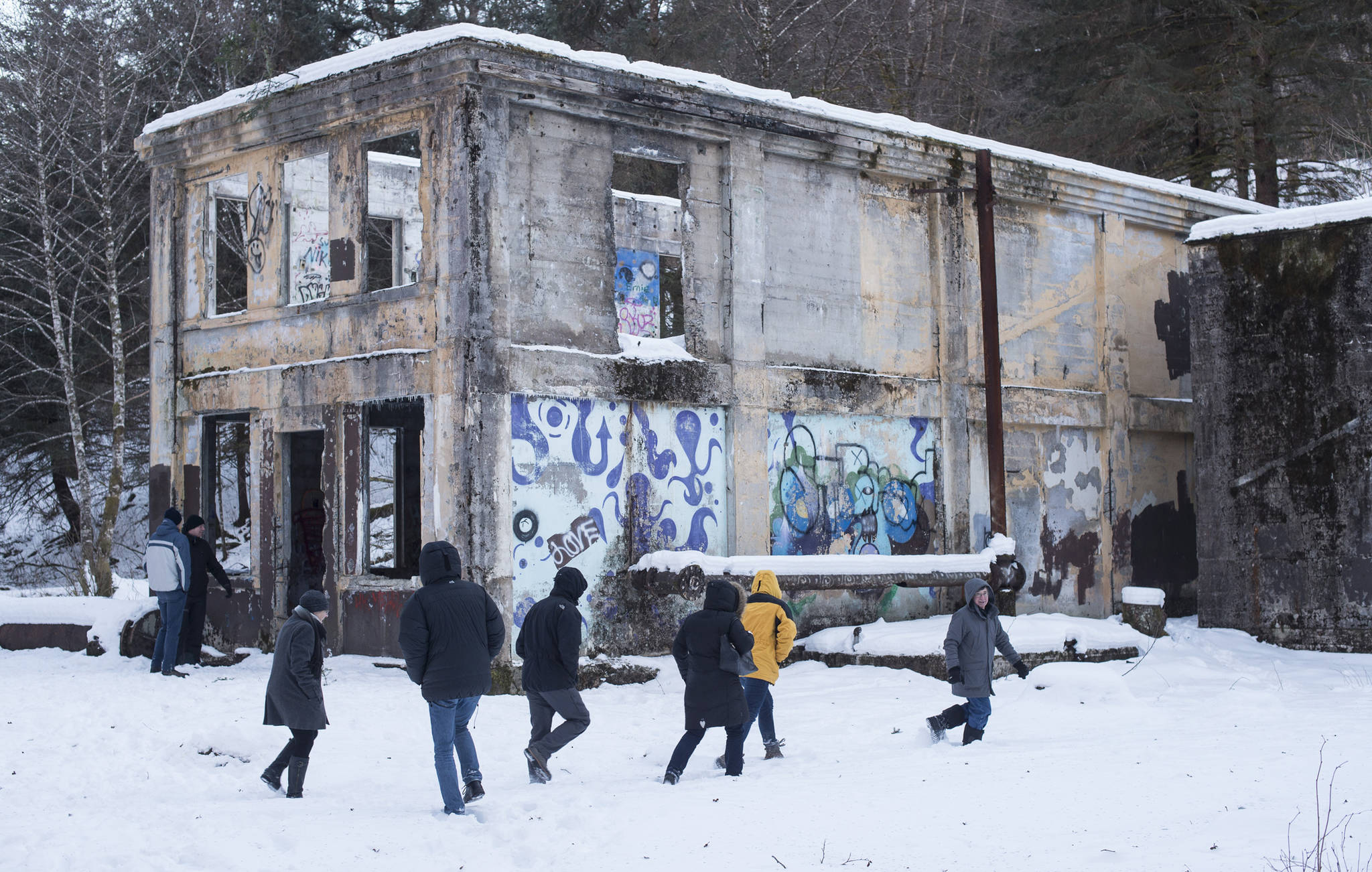
The Council seeks to go through those kinds of collaborations in preparation for the Ministerial meeting in May and is doing so with a series of meetings this week. The SAOs and PP representatives in town are touring various areas of the city, from the Mendenhall Glacier to the Sealaska Heritage Center, and they’re also participating in a Governor’s Reception on Thursday.
Some will also be attending committee meetings throughout the week, such as Tuesday’s House Special Committee on Arctic. Ambassador Balton will hold a media briefing at 9 a.m. Friday to discuss takeaways from the SAO meeting. Long before that press conference takes place, Gamble and other representatives for Alaska will have accomplished one of their major goals.
• Contact reporter Alex McCarthy at 523-2271 or alex.mccarthy@juneauempire.com
