‘Always in our hearts:’ September an important month for boarding school survivors
Published 10:30 pm Wednesday, September 10, 2025
WARNING: This story contains disturbing details about residential and boarding schools. If you are feeling triggered, here is a resource list for trauma responses from the National Native American Boarding School Healing Coalition in the U.S. In Canada, the National Indian Residential School Crisis Hotline can be reached at 1-866-925-4419.
For Ponka-we Cozad, the National Day of Remembrance for Indian boarding school survivors is personal.
Members of her family attended boarding schools and shared hurtful stories about their days in the schools.
“In some way, shape or form, as Native peoples, we all have a story to share about the Indian boarding school era,” said Cozad, director of policy and advocacy at the National Native American Boarding School Healing Coalition. Cozad is Tohono O’odham Nation of Arizona and the Ponca Tribe of Indians of Oklahoma.
“This is why I’m doing this work; when we talk about something always being in our hearts, it’s personal,” she told ICT.
The annual National Day of Remembrance for U.S. Indian boarding school survivors on Sept. 16 in Washington, D.C., with a special event sponsored by the coalition, known as NABS, from 5-7 p.m. EST at the Indian Gaming Association building.
The theme of this year’s event is “Always in our hearts.”
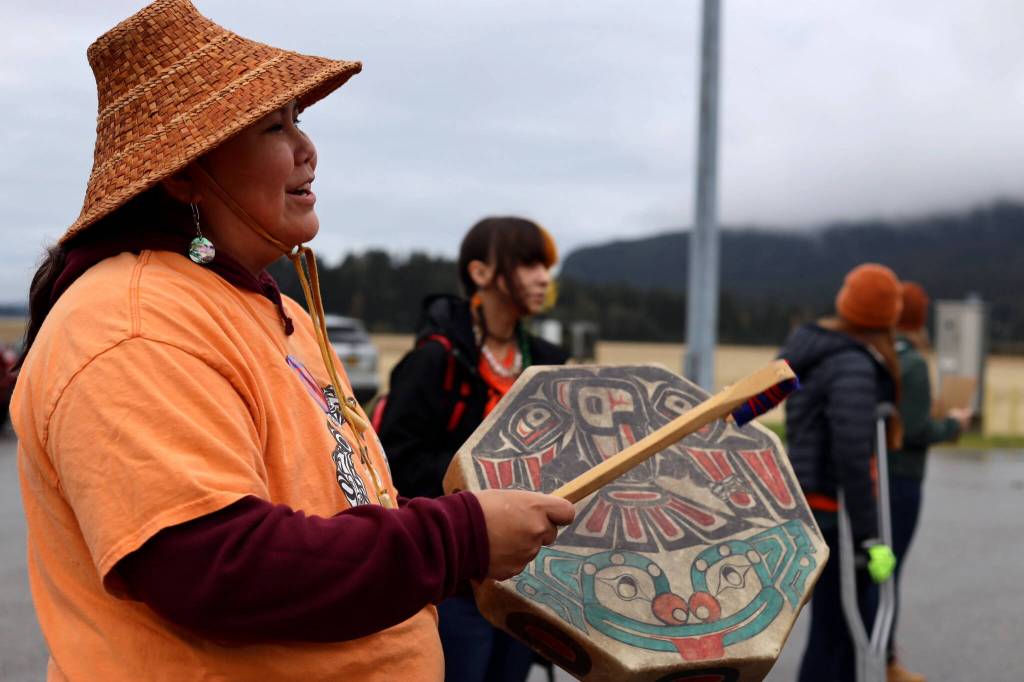
A number of other gatherings are scheduled across Indian Country to commemorate the Day of Remembrance with vigils, prayers, and other events in museums, churches and local communities.
September is an important month on both sides of the U.S. border. Sept. 30 is the National Day for Truth and Reconciliation in Canada, known as Orange Shirt Day, in memory of the residential school students and the harsh conditions they endured. It became a national holiday after more than 1,000 unmarked graves were found at residential schools, including at the Kamloops Indian Residential School.
In the U.S., where thousands of Native children died in boarding schools, the National Day of Remembrance provides an opportunity for tribal leaders, survivors, descendants of survivors as well as congressional members and the public to come together to honor and recognize children who never returned home from the schools.
This year, the event coincides with the National Congress of American Indians Tribal Unity Impact Days, Sept. 16-18, also in Washington, D.C.
During the Impact Days, NCAI organizes sessions in which tribal leaders can meet with members of Congress and federal agency officials in order to advocate for priorities such as fiscal year 2026 appropriations, public safety, economic development, housing, self-determination and other issues.
The Day of Remembrance also coincides with the fall session of the U.S. Congress, which convened on Sept. 2, giving lawmakers another opportunity to consider passing the Truth and Healing Commission on the Indian Boarding School Policies Act (S.761). The act would establish a commission to investigate, document and report on the histories of Indian boarding schools, develop recommendations for federal efforts based on those findings and promote healing for survivors and descendants.
Although the bill passed the Senate with a unanimous vote in December 2024, the House of Representatives did not bring the bill up for a vote before the legislative session ended.
In March, 2025, U.S. Sens. Lisa Murkowski, a Republican from Alaska, and Elizabeth Warren, a Democrat from Massachusetts, reintroduced the bill. It is now awaiting further consideration and a full vote in the Senate.
At the event in Washington, a light reception and candlelight vigil will be held, and will include remarks from Deb Parker, the chief executive officer of NABS and a citizen of the Tulalip Tribe and descendant of the Yaqui and Apache tribes.
Mary Annette Pember, a citizen of the Red Cliff Ojibwe tribe, is a national correspondent for ICT.
This story was originally published by ICT News, formerly Indian Country Today, see the story here.