
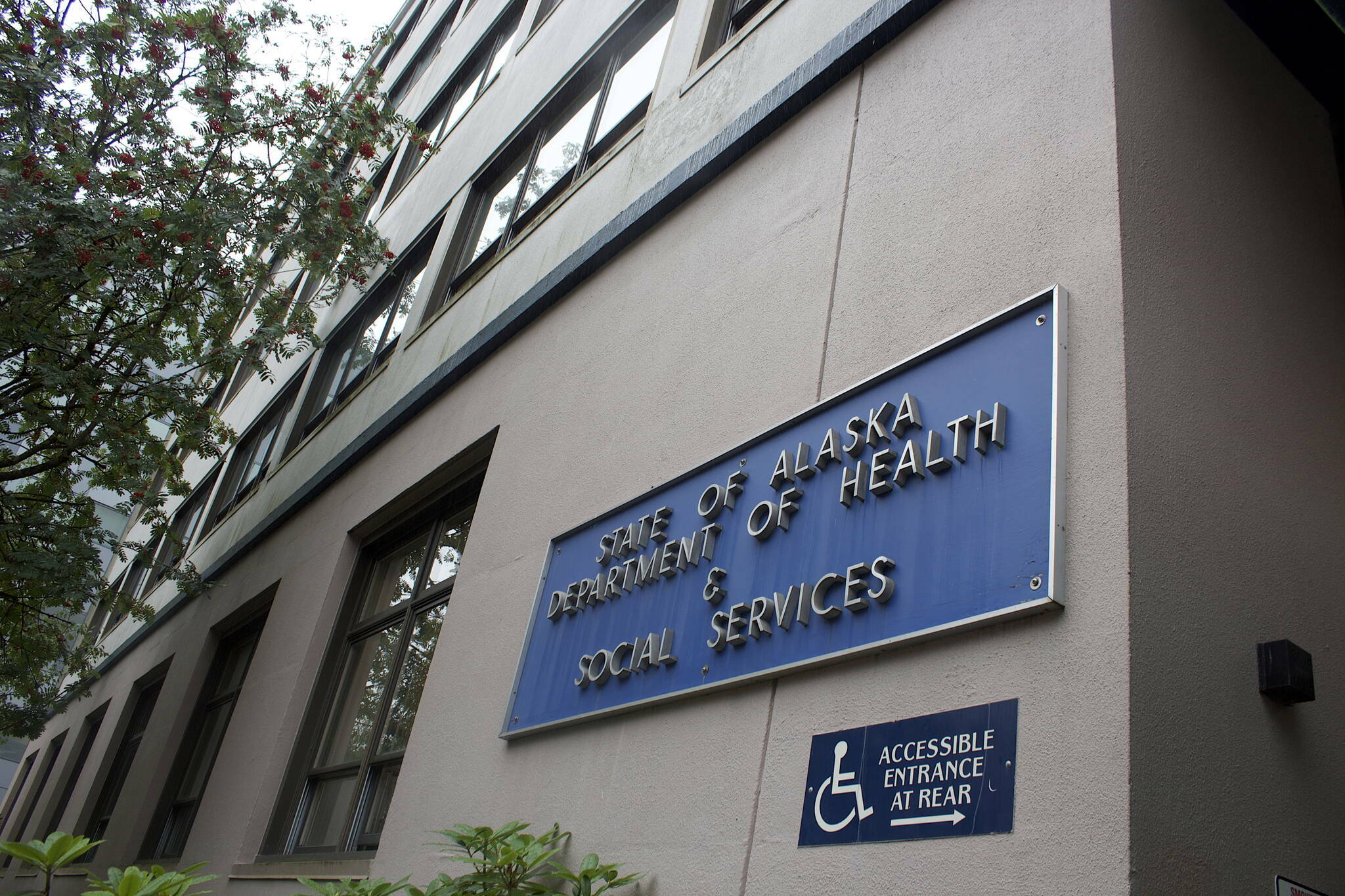
An elderly Alaskan living in squalor and deemed a low priority by state officials died of hypothermia, a result of negligence on the part of Adult Protective Services, according to a report from the Alaska State Ombudsman’s office.
Neither the adult nor their community were named in the report detailing the death nearly three years ago, the Anchorage Daily News reported. The report does note the Alaska State Troopers conducted welfare checks on the individual, which the Juneau Police Department would be generally be responsible for in Juneau.
The ombudsman’s investigation was prompted by complaints.
The agency categorized reports alleging significant health and safety risks to a disabled elder as a low priority level for review, thus delaying action, and also didn’t act quick enough to protect a vulnerable adult, the report said.
The state’s Division of Seniors and Disability Services agreed with the findings, saying the case demonstrates the need for adequate staffing. However, a persistent staffing shortage in Adult Protective Services will prevent them from reducing the number of cases handled by employees.
The adult who died experienced chronic illness and was unable to care for their basic needs, the report said.
“They hoarded belongings and animals, resulting in them living in a home with the APS worker described as ‘the most unsanitary conditions’ they had ever seen,” the report said.
The roof was caving in, and their access to heating was uncertain. The person’s ability to seek help without assistance diminished over the course of the state agency’s contacts with them.
Prior to the death, an agency worker classified the report of “a disabled elder at risk of freezing” as low priority even though there was no heat in the dilapidated home.
After a state trooper made a welfare check on March 22, 2021, and found electricity was off in the home, the Adult Protective Services worker contacted the attorney general’s office to discuss a conservatorship arrangement. However, the worker — citing a large caseload — never submitted necessary information to initiate the process. The elder was found dead nine days after the welfare check.
The protective services worker closed the investigation of the case a week after the adult was found dead, after determining that the adult “did not meet the APS definition of ‘vulnerable’ because they were able to seek help without assistance.”
Lynne Keilman-Crus, the division’s deputy director, declined to say whether the case worker who handled this case was still employed by the agency. She said they were not able to discuss specific circumstances regarding the investigation.
“APS acknowledges the findings and is working to implement changes to address any deficiencies found in regard to the oversight of investigation processes,” she said in a written statement to the Anchorage newspaper.
The report made eight recommendations, including adding staff, increasing training and reducing workloads of case managers.
The division said it agreed with the report’s findings, saying the “case demonstrates the need for adequate staffing to ensure that APS has adequate oversight and ‘fail safe’ policies and procedures.”
However, it said it would not be able to reduce the caseloads by employees because of a staffing shortage that is now in its fourth year.
Adult Protective Services workers carry between 50-70 cases, which is higher than other states, according to the Administration for Community Living in its 2020 Voluntary Consensus Guidelines for State Adult Protective Service Systems.
That report said cases per worker were between 26 to 50 in 21 other states.
Alaska Protective Services employs 11 permanent investigators and has three vacant positions. The 7,000 yearly reports of harm received by the agency result in about 2,000 investigations.
“Given these challenges, limiting the number of case assignments to workers would not be feasible. We are unsure when we will be fully staffed and when we will see a stabilization in staffing,” the division said in a statement.
It also said it would need additional state funding to create a permanent position to manage staff training. The position is now funded by a temporary grant from the Administration for Community Living.
The ombudsman also found fault with Adult Protective Services’ guiding principles, which state “freedom is more important than safety. The person can choose to live in harm or even self-destructively provided that he or she has the decision-making capacity to choose, does not harm others, and commits no crime.”
“It may be time to revisit when and how the state protects vulnerable elders from dying the way this adult did,” the report said.
