
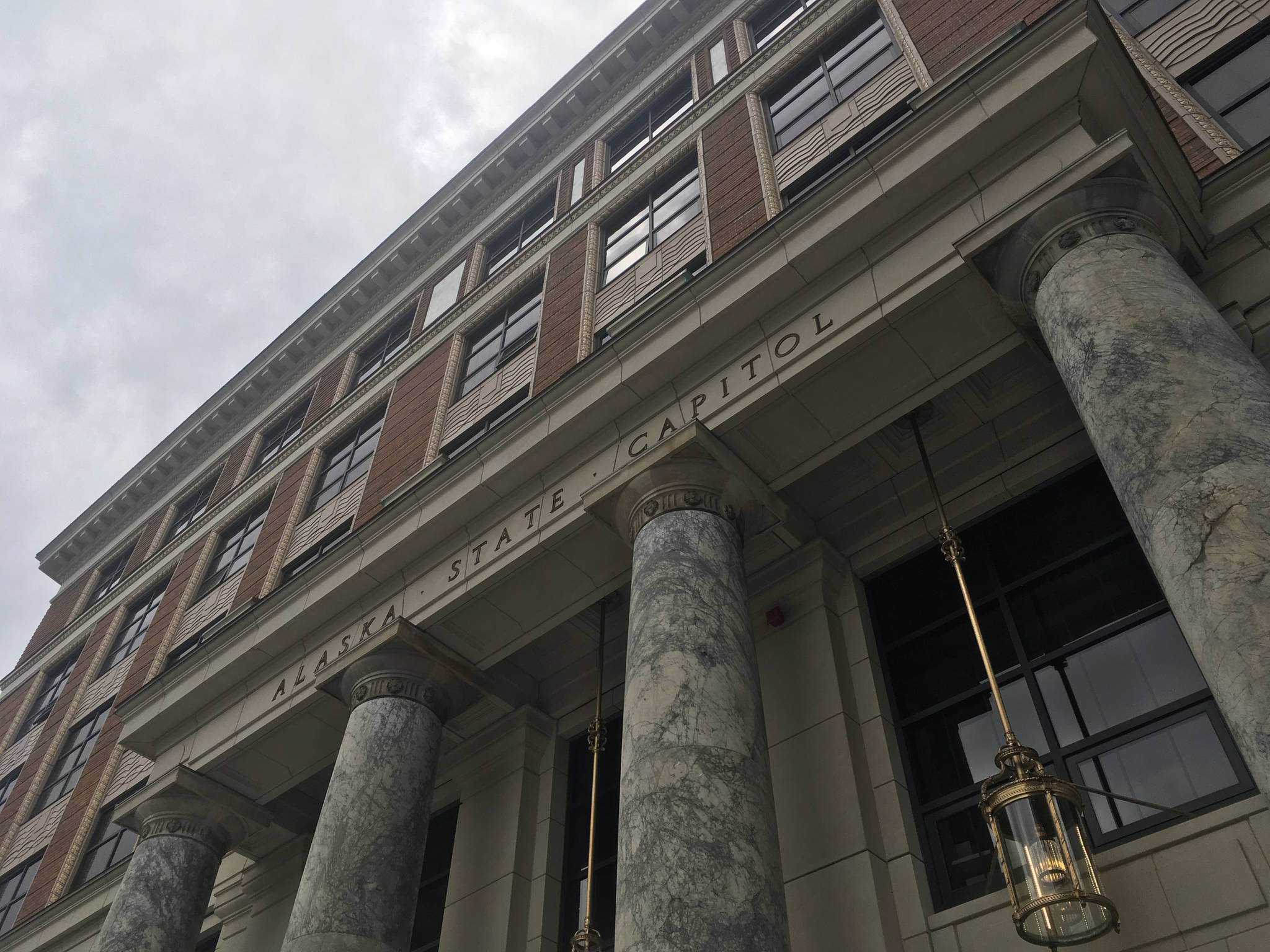
The Alaska Legislature adjourned its 2018 session just before 2 a.m. Sunday morning after passing a $10.4 billion state operating budget that funds ferries, health care and everyday services through summer 2019.
For the first time in state history, the budget includes significant funding from the Alaska Permanent Fund.
“I believe it’s historic that we are using what many refer to as the ‘rainy day account’ for the first time,” said Sen. Lyman Hoffman, D-Bethel, speaking on behalf of the Senate Majority shortly before it voted to approve the budget.
The budget now advances to Gov. Bill Walker for consideration.
In the Legislature’s final day, which extended past midnight, lawmakers passed a raft of new legislation, including things as varied as a statewide raffle to benefit education and a measure allowing distilleries to serve mixed cocktails.
The operating budget is larger than the one passed by the Legislature last year, and more spending was included in the state’s capital construction and renovation budget. Many lawmakers felt the state had cut its budget too far last year, with negative consequences as a result.
Senate Majority Leader Peter Micciche, R-Soldotna, said spending was higher than had been sought by the Senate Majority, which includes 12 Republicans and one Democrat, but lawmakers needed to compromise to end the session before its 121-day constitutional limit.
“I think Alaskans want us to get out of here, and that’s what we’re trying to do,” he said.
Last year, lawmakers worked for more than 210 days, the most of any single year in state history. By adjourning Saturday night, lawmakers in the two-year 30th Legislature worked for 329 days, more than any other two-year session. The old record was 324 days, set by the 24th Legislature.
The Legislature reduced the state’s deficit from about $2.4 billion to less than $700 million by tapping the Alaska Permanent Fund. About $1.7 billion will flow from the Permanent Fund to the state’s general fund. Another $1 billion will go from the fund to pay a $1,600 Permanent Fund Dividend for every Alaskan.
About $674 million will be spent from the state’s Constitutional Budget Reserve to balance the remainder of the deficit. That reserve has been used to cover the deficit for the past several years, but so much has been spent from the fund that it no longer contains enough money to cover the full deficit. With that fact in mind, lawmakers felt they had to spend from the Permanent Fund.
“There is no other choice left,” said Speaker of the House Bryce Edgmon, D-Dillingham.
This year’s budget is predicated upon oil prices averaging $63 per barrel. If oil prices average $72 per barrel, the state will not need to spend from the Constitutional Budget Reserve.
Under the budget, the state will spend $66 million more on Medicaid to meet rising demand from a state with the highest unemployment rate in the nation.
To partially relieve a backlog in public assistance applications, the state will hire 20 new workers and spend $2.2 million more per year to process claims.
The University of Alaska will receive its first budget increase in four years: The state’s contribution to the university will rise from $317 million to $327 million. That’s less than the Board of Regents had requested but more than Walker had suggested.
Crime-fighting efforts, a legislative focus this year, will receive a boost in the budget. A new prosecutor will go to Kotzebue, three to Anchorage, one to Bethel, and a statewide drug prosecutor will go to the state’s special litigation section.
The Department of Public Safety will receive some $500,000 for additional travel to rural areas, less than the $2 million proposed by Walker but more than the department received in the current fiscal year.
The department also received permission and funding for new investigators, a pilot, and criminal justice specialists.
To meet calls from the Public Defender Agency, the budget includes four new full-time defenders and four specialists dealing with cases involving children. The budget also includes more money to pay for work by existing attorneys.
The Alaska Department of Corrections will receive more money as well, because Alaska’s prison population has stayed flat amid a statewide crime wave, instead of falling as expected.
• Contact reporter James Brooks at jbrooks@juneauempire.com or 523-2258.
