Alaska demographers predict population drop, a switch from prior forecasts
Published 9:30 pm Friday, July 19, 2024
Correction: The original version of this article stated that Anchorage and the Matanuska-Susitna Borough are forecast to continue growing in population. Anchorage and the Mat-Su are grouped together in some statistical measurements, but Anchorage is forecast to shrink in population, while the Mat-Su is not.
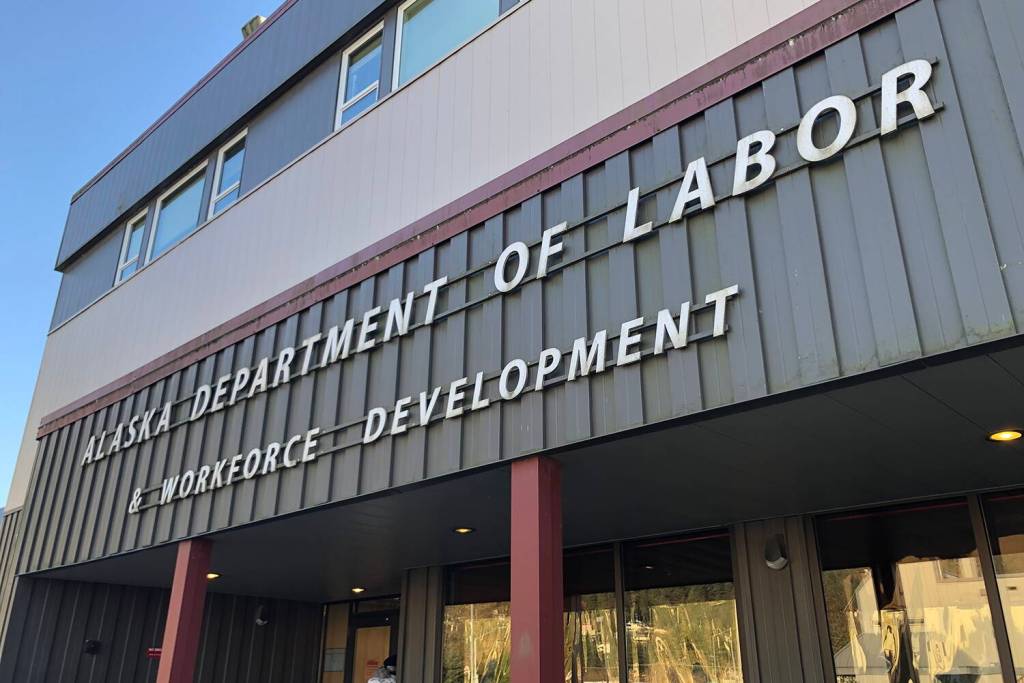
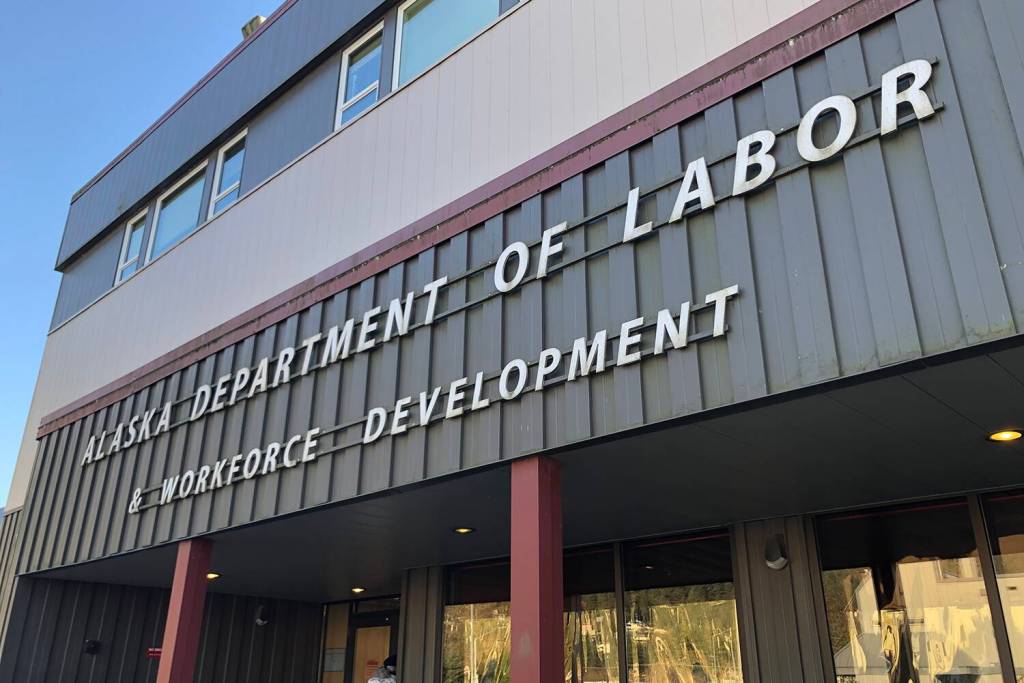
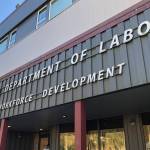
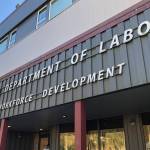
Alaska’s population is set to significantly decline by 2050, according to a new forecast from the Alaska Department of Labor and Workforce Development.
The department publishes population forecasts every two years, and the new document estimates the state will drop by nearly 2% before 2050.
This graphic, incorporating 20 years’ worth of population forecasts and actual population estimates, shows how those estimates have varied from the actual figures. (James Brooks/Alaska Beacon)
The prediction, which reverses decades of optimistic forecasts by the department, is based upon more than a decade of outmigration, rising death rates and falling birth rates.
The state’s forecast is critical for urban planners and others who need to calculate demand for schools, transportation, utilities and commerce.
State Demographer David Howell said the department bases its forecast on a 30-year average and extends current trends into the future. That results in the state’s population falling from 736,812 to 722,806 residents by 2050.
“We’ve now had 11 straight years of negative net migration, and it’s just pushed that 30-year average down enough that our natural increase, which is just births minus deaths, can’t make up for the losses in net migration once we get about 10 years out in the projected period,” he said.
Younger Americans tend to be more mobile and are more likely to be the people who move into the state. With fewer people moving into the state, the state’s average age is rising, which means fewer new births.
By the mid-2030s, “our Baby Boomer population is really starting to hit these older ages, and so we’re seeing not only births declining, but also deaths increasing. So those two things come together, which ends up leading to population losses,” Howell said.
For at least two and a half decades, the department has expected Alaska’s population to grow significantly.
In 1998, for example, the Department of Labor expected the state would have more than 843,000 residents by 2018. In reality, the figure was 738,300 that year.
The department’s forecasts have grown more pessimistic with each new forecast since 2007, and this year’s is the first to predict a long-term decline.
This graphic, incorporating 20 years’ worth of population forecasts and actual population estimates, shows how those estimates have varied from the actual figures. (James Brooks/Alaska Beacon)
A decline isn’t certain. The forecast is based upon existing trends and could be altered by unforeseen circumstances, such as a new oil boom on the North Slope or the arrival of climate-change refugees in large numbers, but Howell said that demographers don’t see signs of a large change in trends at the moment.
“We could have big swings in migration, oil booms, busts, that sort of thing. But if we average out to be that 30 year average, then (the decline) is the most likely scenario,” he said.
A missed estimate on birth rates could cause a steeper decline. The forecast keeps Alaska at an estimate of 1.9 children per woman, currently the third-highest in the country.
Howell said the state has always had a higher birth rate than the national average, and declines in that area “seem to have bottomed out … but it’s hard to say what will happen going forward.”
The population declines wouldn’t be spread evenly across the state, the forecast indicates. Southwest Alaska, where the average age is relatively low, continues to have more births than deaths and outmigration through 2050. The Matanuska-Susitna Borough is forecast to continue growing in population.
But Southeast Alaska, which already is older on average than the rest of the state, is expected to lose significantly more population than the state as a whole, as are communities along the Gulf Coast and in the Interior, as well as Anchorage.
For example, Wrangell, in Southeast Alaska, is expected to drop from about 2,000 residents to fewer than 1,400.
The population decline also would change the state’s demographic mix, the forecast indicates. Alaska would become less white; the proportion of Alaska Natives would rise from about 22% to 25%, in part because Alaska Natives move out of the state less frequently than white residents do.
Howell said the number of Alaska Natives over 65 years old is also set to rise significantly; the forecast expects a 131% increase between 2020 and 2050.
• James Brooks is a longtime Alaska reporter, having previously worked at the Anchorage Daily News, Juneau Empire, Kodiak Mirror and Fairbanks Daily News-Miner. This article originally appeared online at alaskabeacon.com. Alaska Beacon, an affiliate of States Newsroom, is an independent, nonpartisan news organization focused on connecting Alaskans to their state government.