
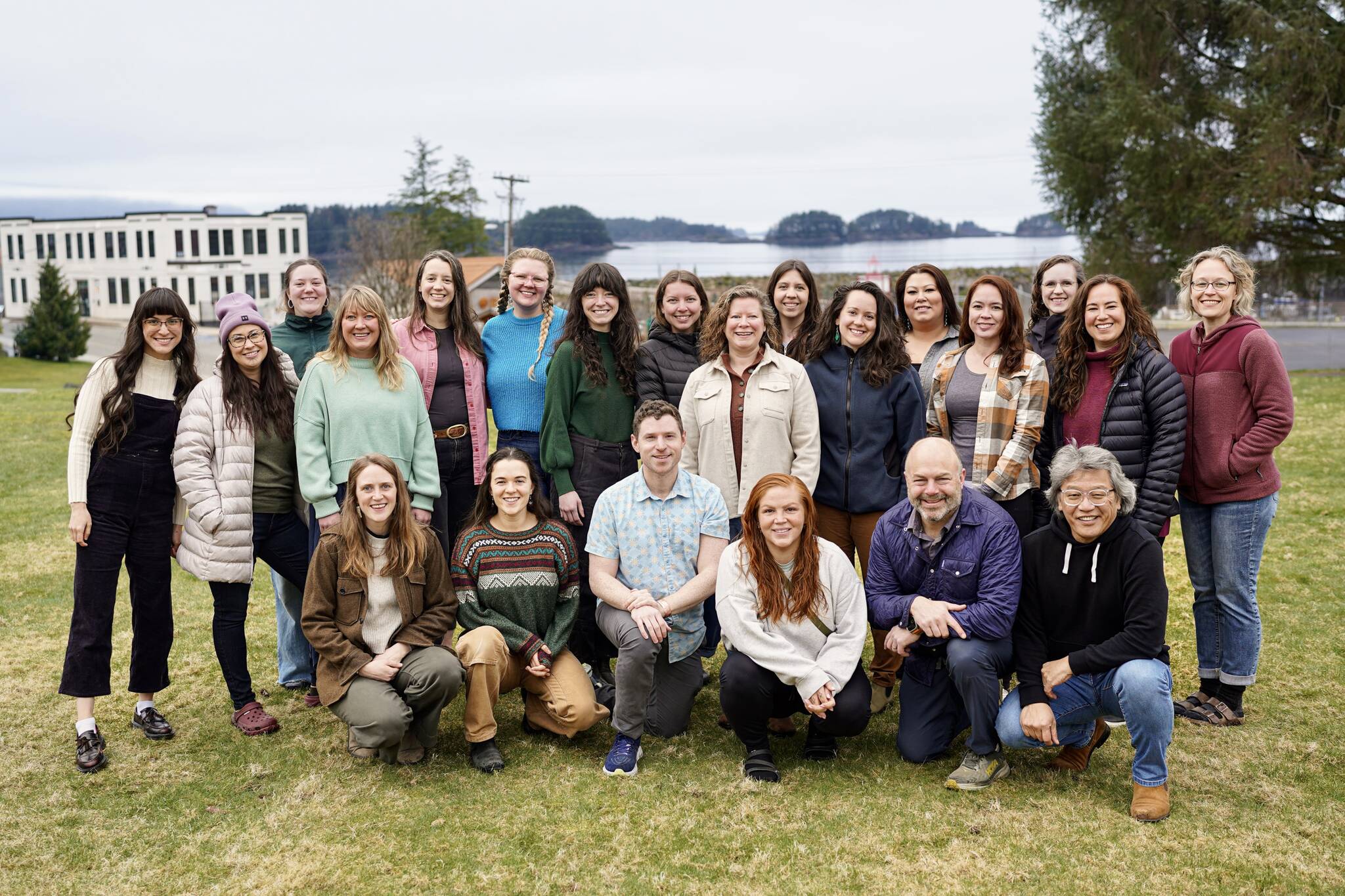
Wealth means something different to everyone. It can look like rows of canned fish on the shelf for sharing during the cold winter months. It can mean the ability to send money to family members who live far away. It might look like building up savings to pass along to future generations. It could be having the time, flexibility, and resources to harvest, create, and explore.
Oftentimes, Western ways of thinking narrow the definition of wealth to mean the accumulation of money for use within a capitalist system. When we equate our self-worth to this definition – focusing on the money we have as the primary indicator of our success – it can lead us to make decisions out of fear or that don’t align with the core of who we are. When we confront these patterns of thinking, however, we are able to start building a vision of wealth for ourselves and others that match our values.
Spruce Root is a regional organization that promotes economic development across the region through a vision of a regenerative economy. This vision recognizes that wealth lives within our communities, is cultivated through the knowledge we share, and often defined by what we can give away in service of building collective wellbeing across the peoples and places we care about. Spruce Root’s Financial Wellness programs teach strategies for building healthier mindsets around finances, ones that help us align our definitions of wealth with the realities of our everyday lives, enriching them.
The beginning of a new calendar year is often associated with setting resolutions and goals (financial and otherwise). In our first column of 2026, we’re highlighting what wealth looks like for different folks across our region who have completed Spruce Root’s Financial Wellness programming. These three voices share how they’ve come to build financial wellness habits based on the values they hold and the lifestyles they want to lead.
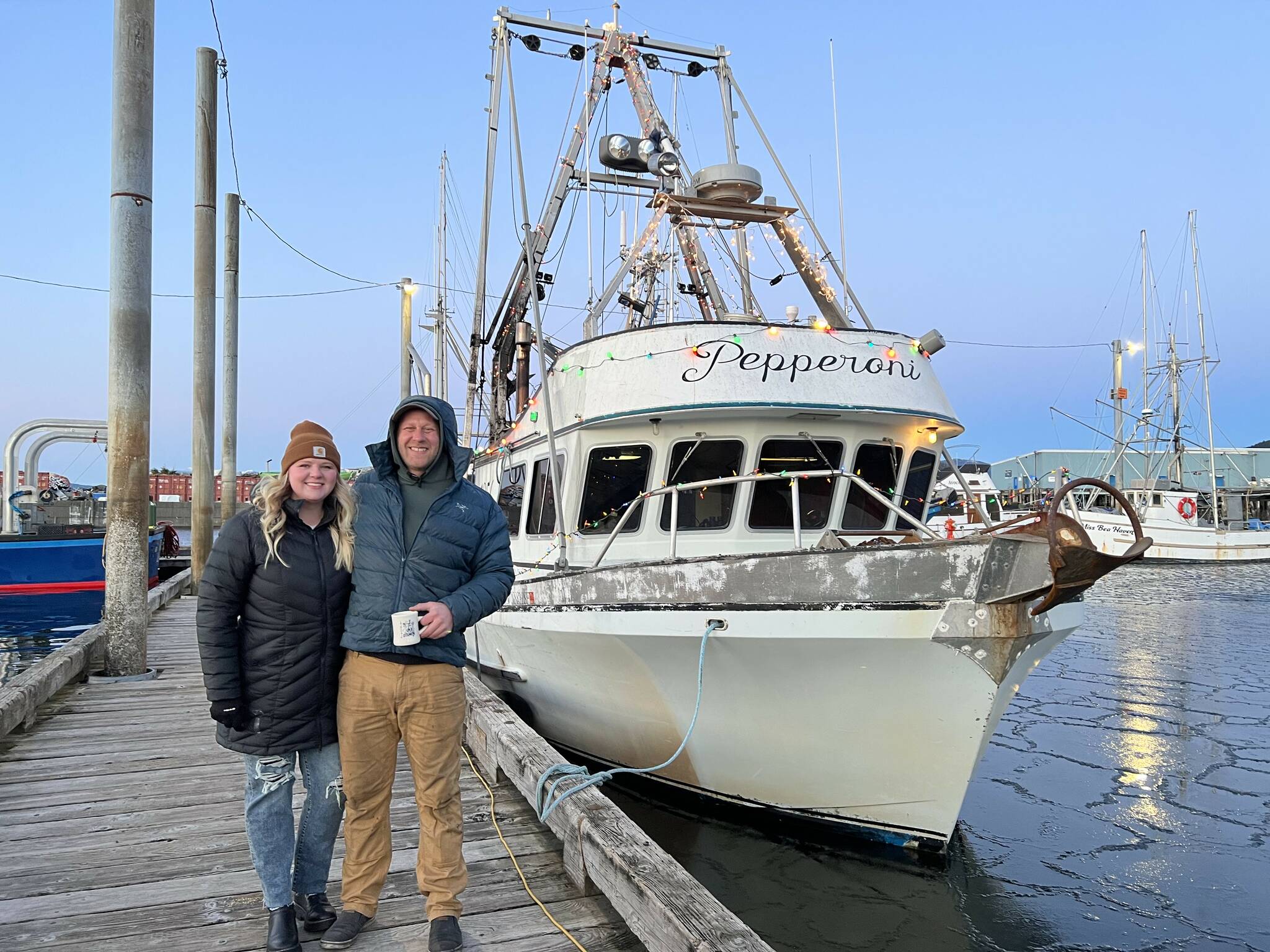
Haley Armstrong (courtesy photo)
Meet Haley Armstrong, Financial Wellness Program Manager
For Haley Armstrong, growing up in Craig taught her that wealth looks like the ability to look after one another. “People in the village step up when someone needs help. That sense of care for one another is a big part of why community is such a core value for me,” she says.
In Haley’s experience, though, it can be challenging to balance this view of wealth with the demands of living in a consumer-driven society that teaches us to tie our worth to what we own. When we equate our self worth to this definition of wealth – focusing on the money we have as an indicator of our success – it can lead us to make decisions that are based out of fear or don’t align with the core of who we are. “I knew my purchasing power didn’t measure my value in society… but it was a challenge to remember that,” she shares.
While Haley has always been aware of how our upbringings and values shape our relationship to money, it wasn’t until she started her work as Spruce Root’s Financial Wellness Program Manager that she began to really examine where her own beliefs about money come from. In Haley’s experience, interrogating one’s money mindset is a process that takes constant reflection and honesty. It can be hard to change the patterns that are ingrained within ourselves that determine our relationships with money. But when we do, it can lead to powerful results.
In her role, Haley works with people across Southeast Alaska to support financial decisions that align with how people live, what they value, and how they personally define wealth. In her financial wellness workshops and personalized coaching sessions, Haley leads with a “progress over perfection” mentality, understanding that small changes in our habits and routines build momentum.
This view of financial wellness recognizes that we often carry trauma around our relationships with money. We may also experience setbacks and challenges to our financial situations from factors both within and outside of our control. Navigating these challenges is something Haley has experienced personally when she recently found herself in unexpected debt.
“It’s tough when you’re in it. For me, there were moments when I thought, ‘I’m already broke, so why not spend more money?’ But once you take the time to make a plan, and you start seeing little wins, it’s incredibly motivating. It’s the same kind of momentum you get when you start eating better and notice you have more energy, or when you get back into exercising and can run a little farther than last week. Those moments matter. I try to celebrate those wins with clients because I know how powerful they are, and I’ve experienced it myself.”
These moments are a reminder that financial wellness isn’t a destination to arrive at, but a muscle to grow and flex when making decisions in all aspects of your life. “You do not need to be at a certain income level or have everything figured out before you begin working toward your financial goals,” Haley emphasizes. “Taking those first steps is what matters most.”
In Haley’s case, this means choosing financial goals that help her stay connected and dependable to her community, like saving up for homeownership and building an emergency fund to help herself and share with others when they need it.
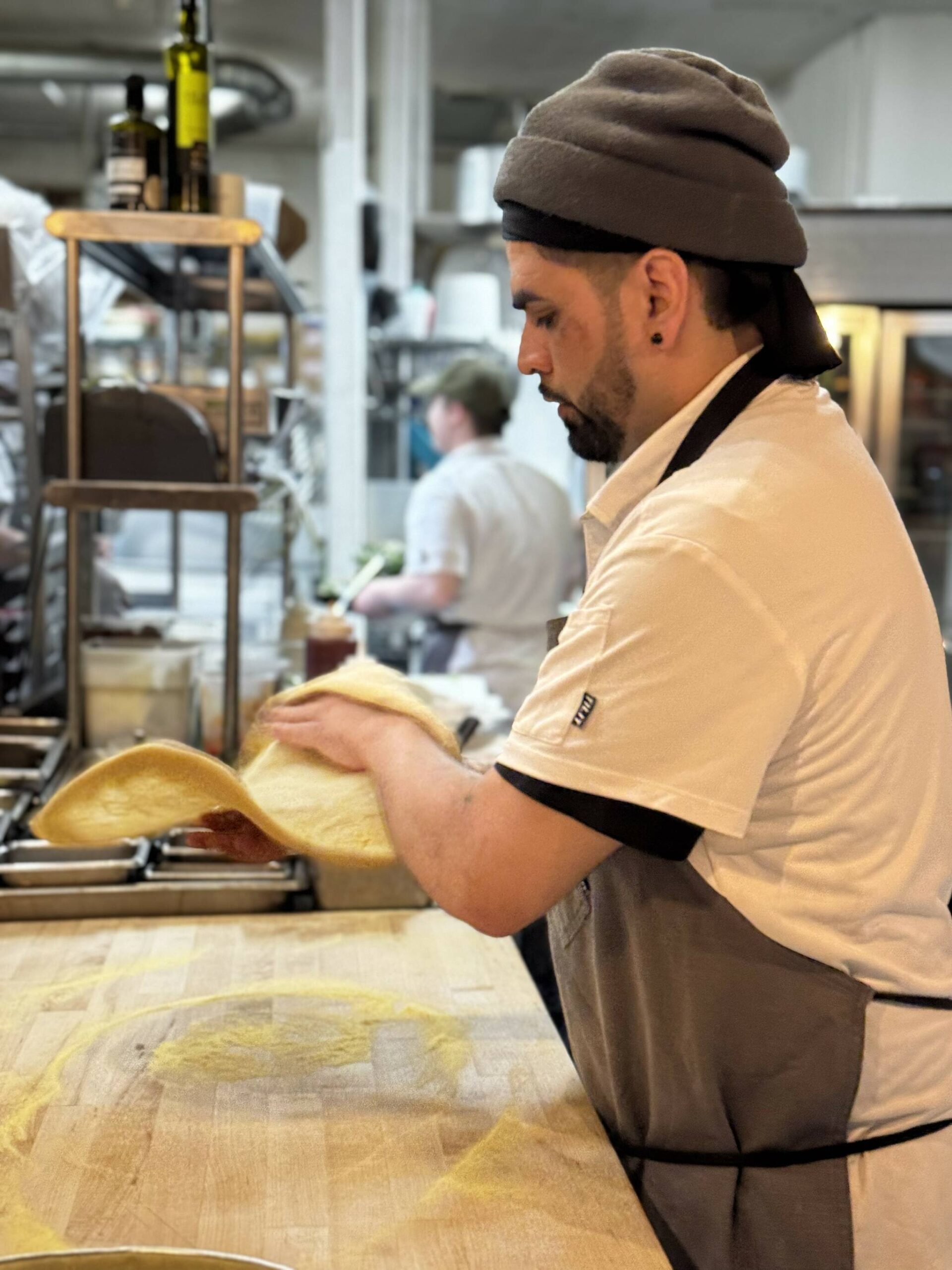
Osman Casco (courtesy photo)
Making the Dough: Small Habits Add up on Osman Casco’s Journey to Financial Wellness
Osman Casco works as a chef in Juneau and has always dreamed of owning a pizza food truck. He knew that developing a solid business plan was the first step in making this aspiration a reality. A Google search for local resources on business development led him to Spruce Root’s website, where he saw an offering for an upcoming financial wellness workshop. “I never felt like I had the skills to manage money,” Os explains, “I saw Spruce Root’s course and…I didn’t know exactly how things were going to go, but I knew if I took a step forward it would help me toward my goals.”
Now he has been attending financial wellness programming and participating in coaching for nearly a year. These experiences have allowed Os to build more confidence around implementing financial management practices in his life. “I think it’s the small things that change your mindset on even a larger scale. You just have to have those little habits,” he says. The “50-30-20” method– setting aside 50% of his paycheck for immediate expenses, 30% for discretionary spending, and 20% for saving– is one of these consistent practices that has stayed with him as he works to build savings.
These seemingly small habits have added up in big ways. For Os, who grew up in Miami before settling down in Juneau, supporting family from afar is important. Through the strategies he’s learned with Haley Armstrong, Spruce Root’s Financial Wellness Program Manager, he’s been able to shift his mindset around money to align with his family values. “I held a lot of grudges against myself because I felt like I didn’t have money– or I spent it on other things. But now that I have better money management, I can help out my family…I think that consistency and discipline helped me be closer and be able to help them,” he says.
Os’ business plan is still on the horizon, too. “I’m a big manifester,” he shares. “I have a drawing of the pizza food truck that I keep with me.” Alongside this future-oriented mindset are tangible strategies he’s learned about money management that have helped him feel more in control of his finances. “What I didn’t have [before I started with Spruce Root] was knowledge,” Os says. “Now I feel like I have discipline. I have a plan.”
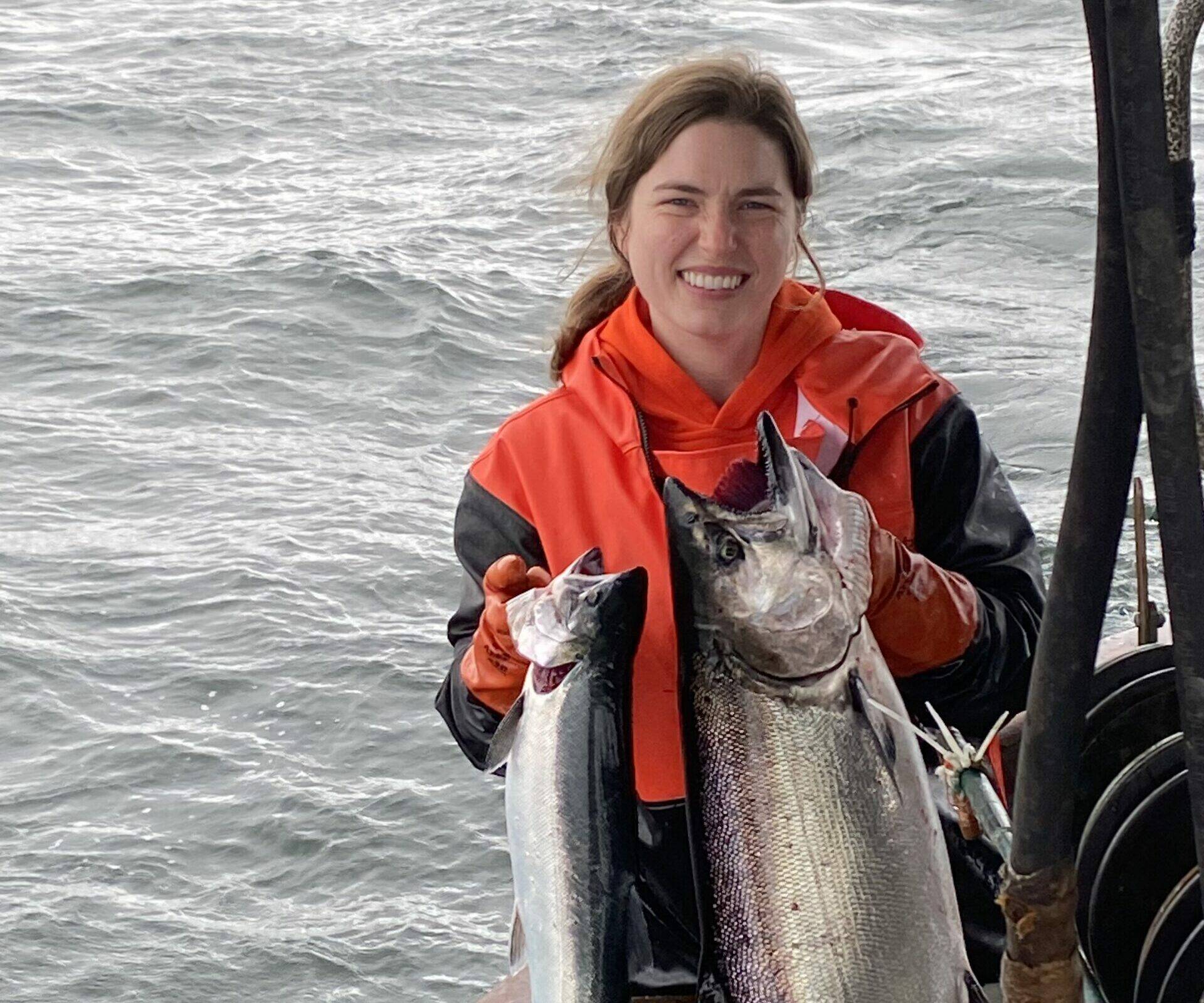
Stephanie Merritt (courtesy photo)
Finding Balance Between Fishing Seasons: Steph Merritt’s Abundance Mindset toward Financial Wellness
Like many folks across Southeast Alaska, Stephanie Merritt’s income has often changed with the seasons. Brought up in a family fishing business, her relationship with money has been shaped by ebbs and flows of income throughout the year. “We go through that cycle of having a bunch of money in the summer. And then by the time April rolls around, you’re like, where’d that go?” she shares.
After a particularly good fishing season, Steph was inspired to reach out to her friend, Spruce Root’s Financial Wellness Program Manager Haley Armstrong, to think more about matching her finances to her lifestyle and planning for longer-term goals like retirement. “I was kind of tired of going through that [fishing economy] cycle,” she shares. “I wanted to be able to hold on to my money and make it work for me.”
Haley invited Steph to join a financial wellness workshop held at the Craig Public Library– where Steph now works as a librarian– about a year ago. Since then, she’s participated in multiple other workshops and has received coaching from Haley. She shares that Haley’s personalized approach has been especially beneficial for finding money decision habits that work for her. “I think Haley’s very good about making sure that you find something that works for you, as opposed to a really prescribed thing,” she says. For Steph, this looks like using apps to track her spending habits and build credit, something she can do on the go and while tending to other responsibilities in her life.
Working with Haley has also encouraged Steph to adopt an abundance mindset when it comes to decisions with money. “Keeping that mantra of I have everything I need…has been useful when I’m tracking my spending,” she says. Receiving support through coaching has also helped her feel like she’s able to harness her consumer spending power to flow directly into her local economy, something she was reminded of recently amidst calls to boycott large corporations this holiday season. “There was a day where folks were asking people to only spend money at small businesses. And I was like, oh, look at that. I already do that.”
Spruce Root offers financial wellness programming and personalized coaching for folks at any stage of their financial wellness journey. You can sign up for their upcoming February 2026 workshops here: https://spruceroot.org/programs/business-support/financial-wellness/.
“Woven Peoples and Place” is the monthly column of the Sustainable Southeast Partnership (SSP). SSP, a program of Spruce Root, is a dynamic collective impact network uniting diverse skills and perspectives to strengthen cultural, ecological, and economic resilience across Southeast Alaska. For more visit sustainablesoutheast.net or on socials @sustainablesoutheast
