Sustainable Alaska: Connecting to nature is vital to sustainable well-being and behavior
Published 9:30 pm Tuesday, September 26, 2023




I have spent my career studying the aesthetic experience in an art-viewing context. My work has shown that art viewing, even when viewing abstract art, can move people to act more compassionately, pro-socially, mediated by feelings of elevation — a warm, uplifted feeling. Research has shown that feelings of elevation are experienced when we witness acts of courage, compassion, and connection (Haidt, 2000; Schnall, Simone, & Roper, 2012). Interestingly, non-representational art doesn’t explicitly depict these acts; however, my theoretical orientation invites me to consider that artmaking and receiving are spaces where we experience connection with common humanity at its foundation.
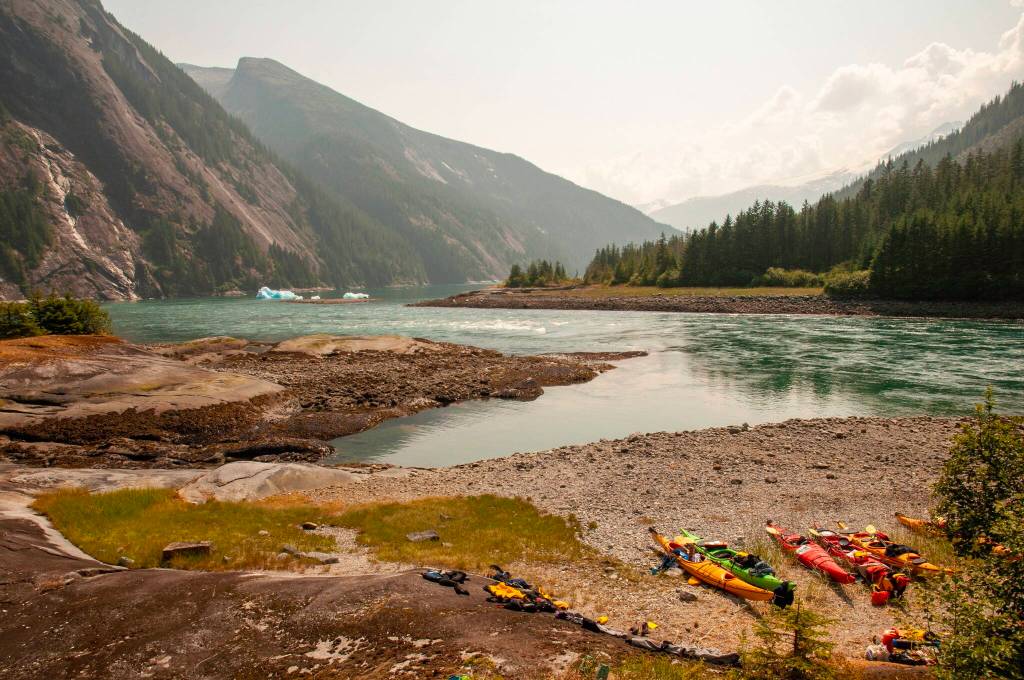
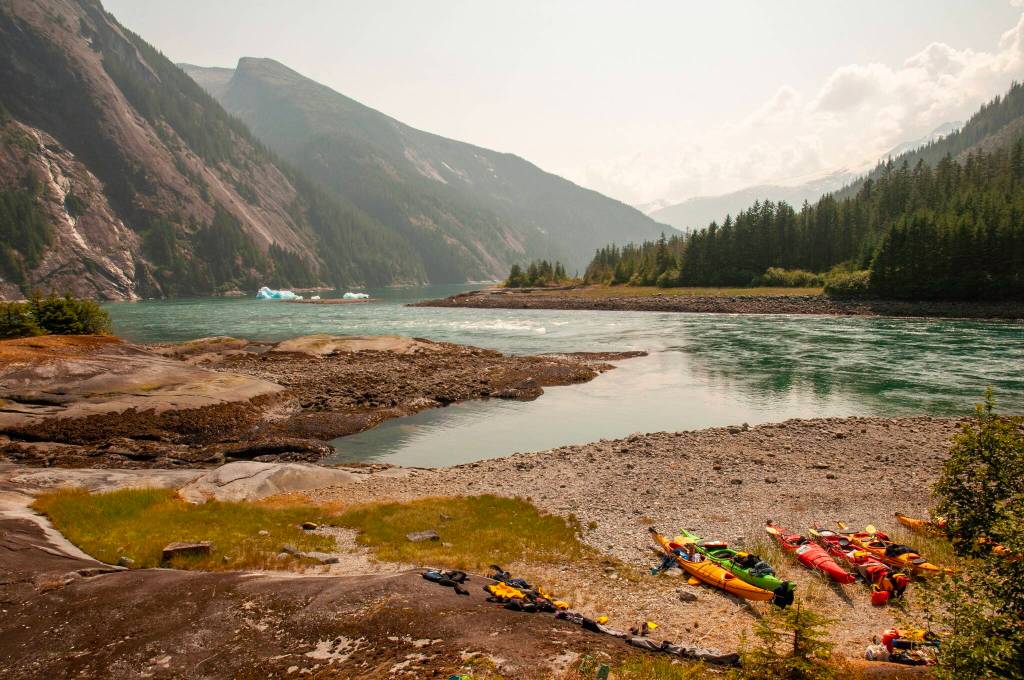
I recently moved to Juneau and couldn’t help but be pulled to considerations of place, Native cultures, and the environment. I began to contemplate how my work in aesthetics could extrapolate to nature aesthetics and contribute to increased motivations towards acting sustainably — which I suggest is not only pro-environmental, but pro-social — especially if we broaden our relational context to include the more-than-human world.
With this mushrooming interest, I took on teaching environmental psychology, which examines the influences built and natural environments have on our behaviors. This would be an excellent transitional space, given my experience studying art as environments, and would allow me to explore how we behave towards and within natural settings. I wasn’t prepared for the grief, feelings of helplessness, and overwhelm that spilled into our shared learning space.
It has been posited that the increase in mental illness is inextricably linked to the modernization of society (Ilardi, 2009). The increased mechanicalizing of the world from as early as Descartes’s mechanistic (as opposed to the organic) model of the human body’s inner workings, to the soles of our shoes has created metaphorical and literal, physical boundaries between us and our natural environment. It has created a disconnect, a delusion of separateness, and the effects are pervasive, manifesting as depression and environmentally harmful behaviors (Fisher, 2013). This separateness is also evinced in our language. When referring to the more-than-human-world, English speakers use the pronoun “it” instead of more relational terms found in Indigenous languages (Kimmerer, 2013). The consequence is the psychological distance that makes it easier to objectify and utilize resources in non-sustainable ways.
But humans are land mammals who’ve evolved in a reciprocal relationship with our natural world. The reciprocity exists at the most essential level of our breath and our nervous system. We inhale oxygen — the transformed carbon dioxide from the trees; our immune system receives a boost when we inhale chemicals emitted by trees having their own immune response (phytoncides). Our exteroceptive senses – smell, taste, hearing, sight, and touch (among others) evolved to allow us contact with our environment. Our sensory systems will enable us to take in biologically relevant information; we then organize, process, and make that information meaningful. However, even our current models of perceptual processing claim this is in service to act upon, as opposed to interacting with the environment. This use of objectifying language, our models for understanding our humanness, and our materials have built physical, conceptual, and relational distance between us and the more-than-human world. But we belong to an interconnected ecosystem, and we are feeling this distance, this disconnection, profoundly affecting our psychology, and it is in desperate need of irradiating.
This past spring, with the support of the UAS Sustainability Committee, our student government and the administration, I organized events — the crafting and sharing of our climate stories through verbal and non-verbal means, forest therapy walks that invite open, sensorial, relational experiences, in the hopes of creating a space that would elicit the precursors to pro-environmental behaviors: connection and elevation. We saw the attendance of students, faculty, staff and the community. The data show significant differences in attitudes towards the utilization of nature after participating in these events than at baseline. A feeling of connectedness to nature mediated this result.
To motivate sustainable behavior, we need a paradigmatic shift that invites relational closeness and connection – to know ourselves in a symbiotic, human-decentralized, relational context with the more-than-human world. Changes in language, aesthetic experiences, and the arts more broadly may provide a pathway towards this and a more holistic sense of well-being.
• Melissa Dolese is an assistant professor of psychology in the Department of Social Sciences on the Áak’w Kwáan campus at the University of Alaska Southeast. Sustainable Alaska is a monthly feature by the University of Alaska Southeast Sustainability Committee. The views expressed here do not necessarily represent the views of the University of Alaska Southeast.