
Loneliness and isolation are epidemic across the country. And lethal. The COVID-19 pandemic years exaggerated these realities for many of us, even for those who already knew or felt it to be true. Various publications have been written about the increases in depression, anxiety, substance misuse, obesity, household violence, and dementia. And the grief. Most of us have lost people over the last three years — often people who died from something other than the virus. We will probably never be able to calculate how many people we lost due to despair. Whether or not we can attribute their deaths to the pandemic, we know they were also casualties.
Last week the U.S. Surgeon General published an advisory that goes deeper, and measures some of, what we may have sensed intuitively. Our Epidemic of Loneliness and Isolation: The U.S. Surgeon General’s Advisory on the Healing Effects of Social Connection and Community identifies isolation and loneliness as a public health concern. Across multiple disciplines, we hear that increasing loneliness and its consequences was a national trend before COVID-19 exacerbated it. We are shown startling numbers correlating social connectedness with a range of positive outcomes including: individual and population health, community safety, resilience, and prosperity. The negative impacts of isolation and loneliness are costing us as individuals and as a society. Increased healthcare costs, lost productivity and lower academic achievement come to more than $150 billion annually. Additionally, these components contribute to a vicious cycle of decline.
The advisory also documents the numerous biological, psychological, behavioral, educational and community benefits of social connectedness. Social connectedness is measured in terms of time spent with family, number of close friends, involvement in community organizations and volunteerism. Those who have satisfying relationships or interactions that require empathetic attention to others have better health, live longer, and describe themselves as happier. Those who are active in faith communities know this to be true as certainly as we know people have been suffering. The Surgeon General’s advisory provides dramatic numbers corroborating this awareness. Fortunately, there is a “virtuous cycle” of service and connectedness that reinforces improved wellbeing across categories.
Those who are more connected to their communities are more likely to engage in service, and those who are engaged in service are more likely to feel connected to their communities and the individuals in it. Interestingly, there is also evidence showing that the well-being benefits associated with volunteering are even greater for those with higher social connectedness than those with less.
Because these cycles can be reinforcing, prioritizing social connection can not only disrupt vicious cycles but also reinforce virtuous ones, according to page 21 of the advisory.
This is the invitation. The urgent need. The demand of any who would contribute to the health of ourselves, our families, our communities, and our nation. If you check out the advisory, you will see that the lack of social connection increases the risk of premature death more than smoking (15/day), drinking alcohol (6/day), obesity, inactivity, or other risk factors. Calling a friend, sharing a meal, joining a group, volunteering, or putting down the phone to give someone your attention face-to-face is something you can do today for your own well-being and that of another.
Of course, this is something that most of us who are connected with faith communities take on, well, faith. We experience it. And many of us would be thrilled to have you experience it with us. If you have a tradition, maybe you will seek an opportunity to be in that community this week. Or you can come enjoy people and music at a Spring Ring and Sing Concert at Resurrection Lutheran Church, this Sunday, May 14, at 3 p.m. Be well.
“Rejoice with those who rejoice, weep with those who weep. Live in harmony with one another; do not be haughty, but associate with the lowly; do not claim to be wiser than you are. Do not repay anyone evil for evil, but take thought for what is noble in the sight of all. If it is possible, so far as it depends on you, live peaceably with all.” — Romans 12:15-18 (NRSV)
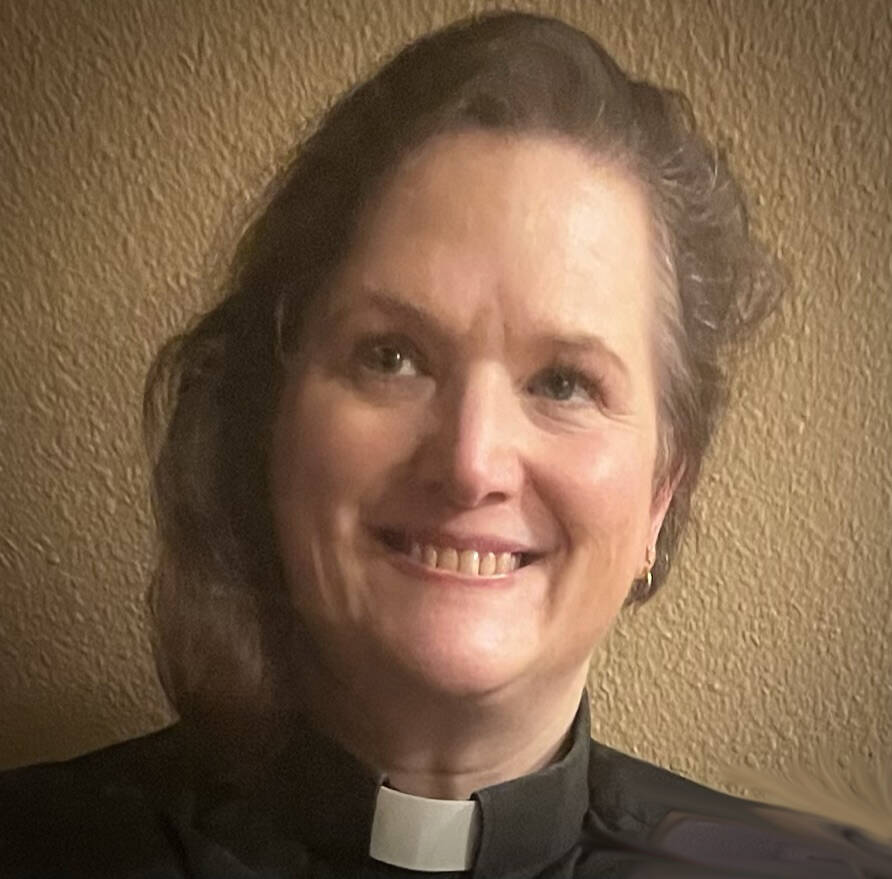
The Rev. Karen Perkins is pastor at Resurrection Lutheran Church of the Evangelical Lutheran Church in America. rlcpastor@ak.net. “Living & Growing” is a weekly column written by different authors and submitted by local clergy and spiritual leaders. It appears every Friday on the Juneau Empire’s Faith page.
