
Friends, we are a little over a week away from the beginning of the season of Lent, the beginning of that annual six-week journey of conversion that prepares us as Christian believers to renew our baptism into the saving death and lifegiving resurrection of Jesus and to authentically live out our baptism.
In his Lenten message for this year, Pope Francis invites us to generously take up the invitation to personal and community conversion of heart as we begin this journey together in hope.
He proposes a number of concrete ways in which we can do this.
After noting that in their celebrations of Passover and Easter, Jews and Christians celebrate their deliverance from bondage in Egypt and from the slavery of sin and death, he invites people of faith to be aware of “our brothers and sisters in our own day (who) are fleeing situations of misery and violence in search of a better life for themselves and their loved ones.”
This is not a new theme for Pope Francis. At the beginning of his pontificate when he traveled to the island of Lampedusa to draw attention to the thousands of migrants who had drowned crossing the Mediterranean, he has repeatedly denounced what he calls the “globalization of indifference” to their suffering.
Earlier this month in his letter on the immigration crisis to the Catholic bishops of the United States, he forcefully reminded them, the Christian faithful and people of good will of the plight of “our refugee and migrant brothers and sisters,” their “infinite and transcendent dignity,” and their vulnerability and defenselessness in the face of the threat of “mass deportation” in our own country.
We are living through a historical moment when, in 2024, according the United Nations High Commissioner on Refugees, 122.6 million people around the world have been forcibly displaced from their homes because of persecution, violence, armed conflict and human rights violations, as well as by extreme poverty, droughts, famines and other natural disasters.
In light of this ongoing humanitarian crisis, Pope Francis points out that like our unfortunate “refugee and migrant brothers and sisters,” we are all pilgrims in this life. As a Lenten exercise, he recommends that we “compare our daily life with that of a migrant or a foreigner” so as to “learn how to sympathize with their experiences.” This would be “a good examination of conscience” to enter imaginatively into the experience of migrants and refugees and to allow “Jesus Christ, (who loves) everyone with a universal love, (to) educate us in the permanent recognition of the dignity of every human being, without exception.”
For this reason, Pope Francis calls on “all the Christian faithful and people of good will” to evaluate “norms and public policy in the light of the dignity of the person and his or her fundamental rights.”
What he speaks of as “an authentic rule of law” and “the true common good” begins with welcoming, protecting, promoting and integrating into society the most fragile, unprotected and vulnerable people” seeking refuge among us.
Pope Francis notes as well that nothing in the moral order precludes a nation from regulating orderly and legal migration or from protecting society from violent criminals. But he insists that the “rightly formed conscience” cannot fail “to express its disagreement” with measures that equate the undocumented status of migrants with criminality.
As we prepare for Lent this year, Pope Francis exhorts us to take to heart the parable of the Good Samaritan and “not to give into narratives that discriminate against and cause unnecessary suffering to our migrant and refugee brother and sisters.”
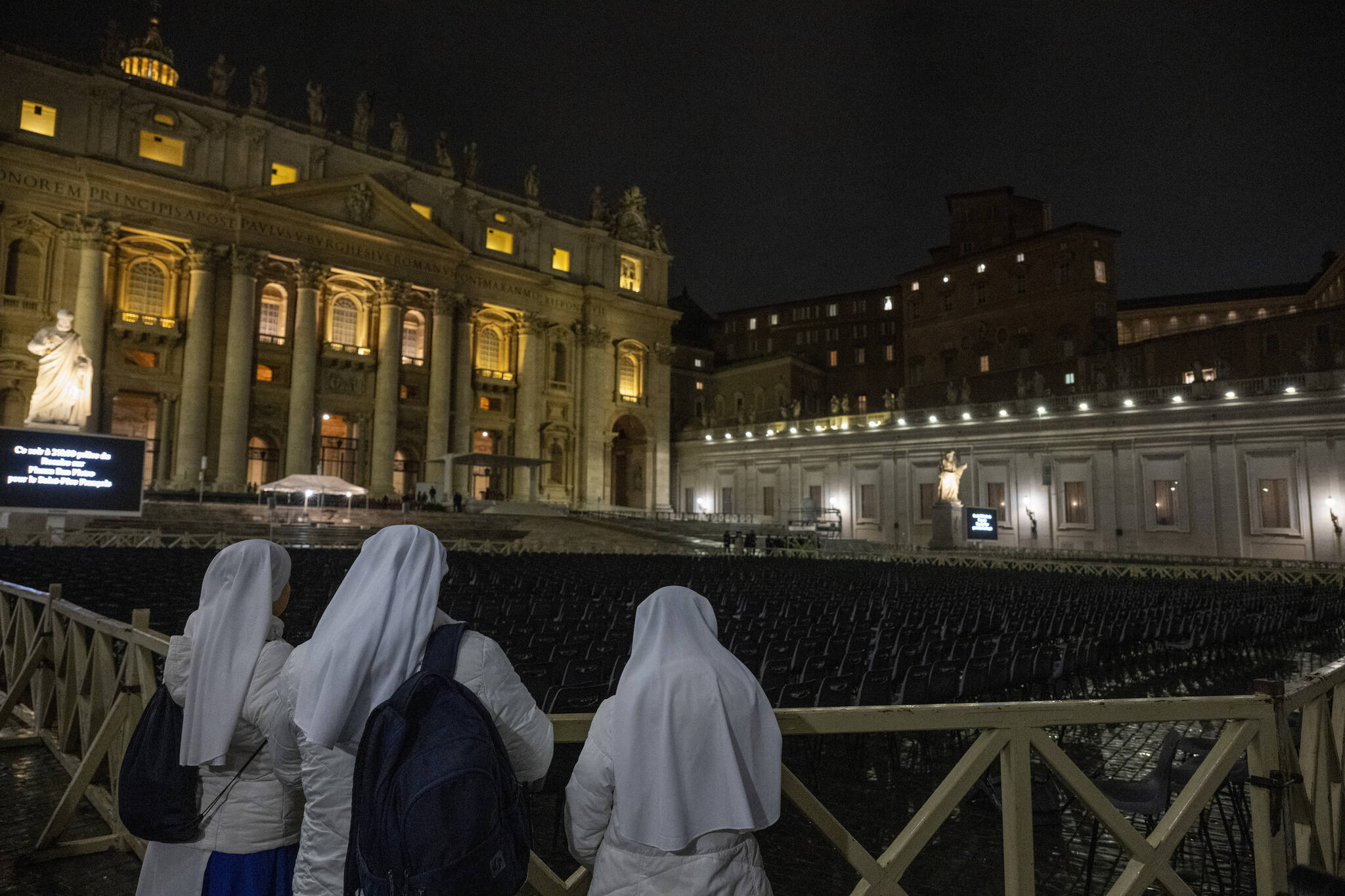
Thank you to everyone who has been praying for Pope Francis since his hospitalization on Feb. 14. The support and solidarity in prayer across all ecumenical and inter-religious boundaries and the cordial good wishes for his recovery by people of good will is yet another heartening sign of our capacity to “build bridges that bring us ever closer together.”
• Deacon Charles Rohrbacher serves at the Co-Cathedral of the Nativity of the Blessed Virgin Mary. “Living and Growing” is a weekly column written by different authors and submitted by local clergy and spiritual leaders. It appears every Saturday on the Juneau Empire’s Faith page.
