
I would like to take a moment to acknowledge that we are on the traditional territory of the Áakʼw Ḵwáan and Taku Kwaan, the original inhabitants of Lingít Aaní. We pay respect to the Áakʼw Ḵwáan and Taku Kwaan elders, both past and present, and extend that respect to the spiritual understanding that our Native brothers and sisters bring to the world we live in today.
In a world where skepticism often shadows our perceptions of religious and governmental institutions, it’s perfectly normal to have doubts. Instances of corruption, unfulfilled promises, and polarization can leave us feeling wary. Yet, let’s take a moment to consider a more realistic perspective. Like any human endeavor, institutions are far from perfect, and yes, they’ve had their share of missteps. However, within these systems, tireless individuals work towards positive change. Strides toward accountability, transparency, and social justice are being made. It’s crucial to remember that these institutions, though flawed, remain our collective tools for progress. By engaging critically and contributing actively, we can navigate towards a more just and harmonious society.
We are called by religion with the phrase “Thy Kingdom come, on Earth as it is in Heaven.” This is what God calls us to do, we cannot build this future, if we are always looking back trying to find the original sin in every disagreement. The Baha’i Faith encourages us to focus on the future, we can learn from history, but we can only change the future.
In “Paris Talks,” ‘Abdu’l-Bahá (the son of Baháʼu’lláh — the founder of the Baháʼí Faith) addresses the subject of politics, emphasizing spiritual principles and the application of these principles to the betterment of society. He stressed the fundamental principle of the oneness of humanity. He believed that political systems should be designed to promote the well-being of all people, recognizing the interconnections of individuals and nations.
While acknowledging the importance of governance and political organization, ‘Abdu’l-Bahá emphasized the need for spiritual principles to underpin political structures. He saw spirituality as the essential foundation for just and effective governance. At the same time he spoke passionately about the destructive impact of prejudice in politics. He advocated for the elimination of racial, religious, and national prejudices, asserting that such biases hinder the progress of societies and lead to conflict.
The concept of consultation is central to ‘Abdu’l-Bahá’s political philosophy. He believed that decisions in political matters should be reached through collective consultation, promoting unity and harmony among diverse individuals and groups. He discouraged involvement in partisan politics for its own sake. Instead, encouraging individuals to focus on the principles of justice, love, and unity, and to work towards the common good, transcending narrow political interests.
The Baháʼí Faith envisions a society where spiritual values permeate political and social structures. We believe that a truly just and prosperous community can only be built on a foundation of spiritual principles, fostering cooperation and mutual support.
While ‘Abdu’l-Bahá discouraged involvement in partisan politics for its own sake and warned against the divisive nature of political partisanship, he encouraged Bahá’ís and individuals in general to actively participate in the social and political life of their communities. His emphasis was on promoting justice, unity, and the well-being of humanity through constructive engagement.
The key is to approach political activities with a consciousness of the spiritual principles advocated by the Bahá’í Faith, such as the oneness of humanity, the elimination of prejudice, and the importance of consultation. ‘Abdu’l-Bahá believed that when individuals bring spiritual values into the political arena, they contribute to the creation of a more just and harmonious society.
In summary, while ‘Abdu’l-Bahá cautioned against the negative aspects of partisan politics, he did not advocate for a withdrawal from political engagement. Instead, he encouraged a conscious and principled involvement in the political process with a focus on promoting unity, justice, and the betterment of humanity.
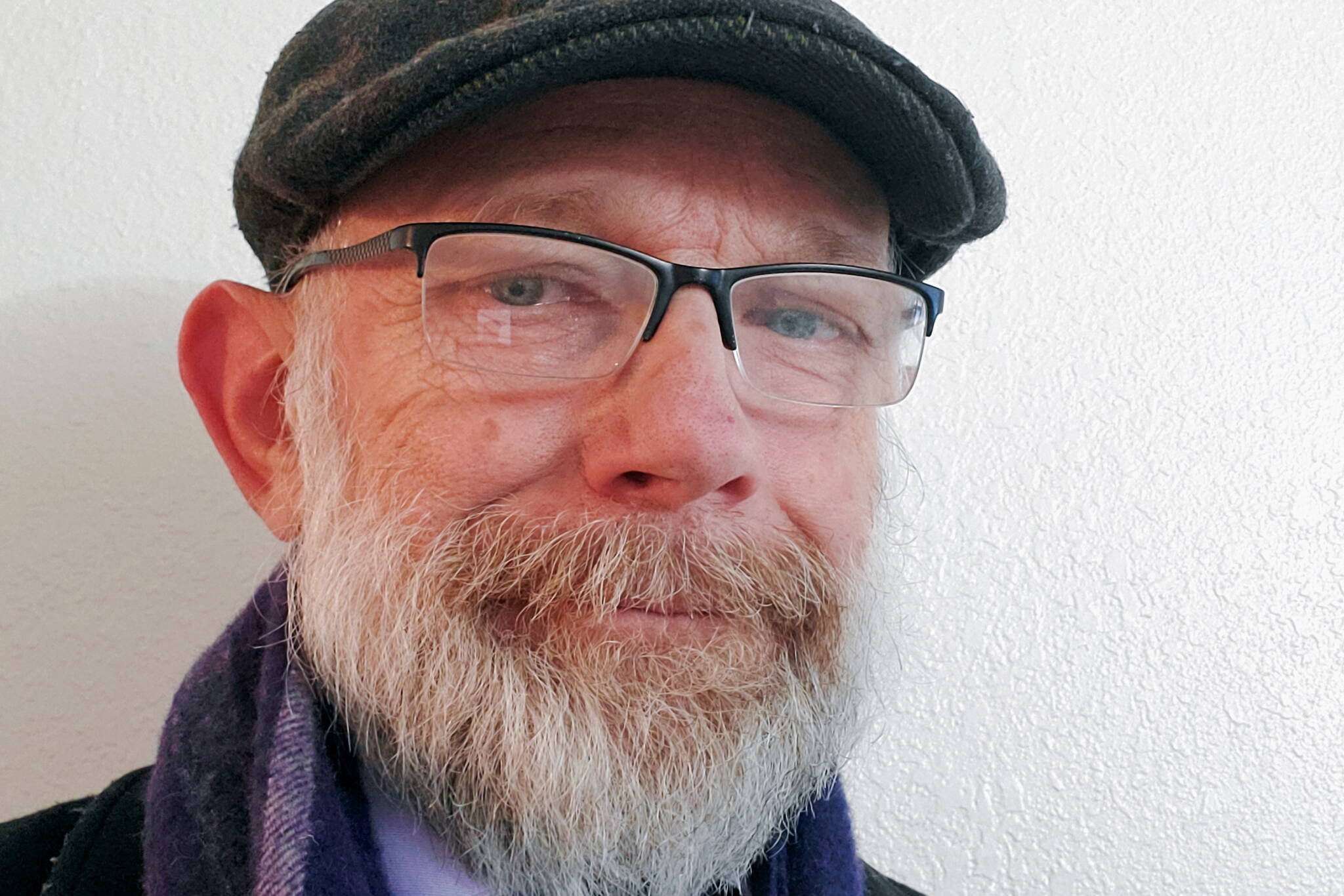
• Adam Bauer is the secretary for the Local Spiritual Assembly of the Bahá’ís of Juneau. “Living & Growing” is a weekly column written by different authors and submitted by local clergy and spiritual leaders. It appears every Saturday on the Juneau Empire’s Faith page.
