
It is Ordinary Time, the Season of Increase, the Season of Creation.
During this season of Creation, the power of life renewing is manifest. In Juneau, the magnitude of the abundance of life returning from the sea is awesome and overwhelming. Life surges into the rivers and streams, carried on the crests of big tides and guided by the spate of atmospheric rivers cascading from the heights into the watercourses.
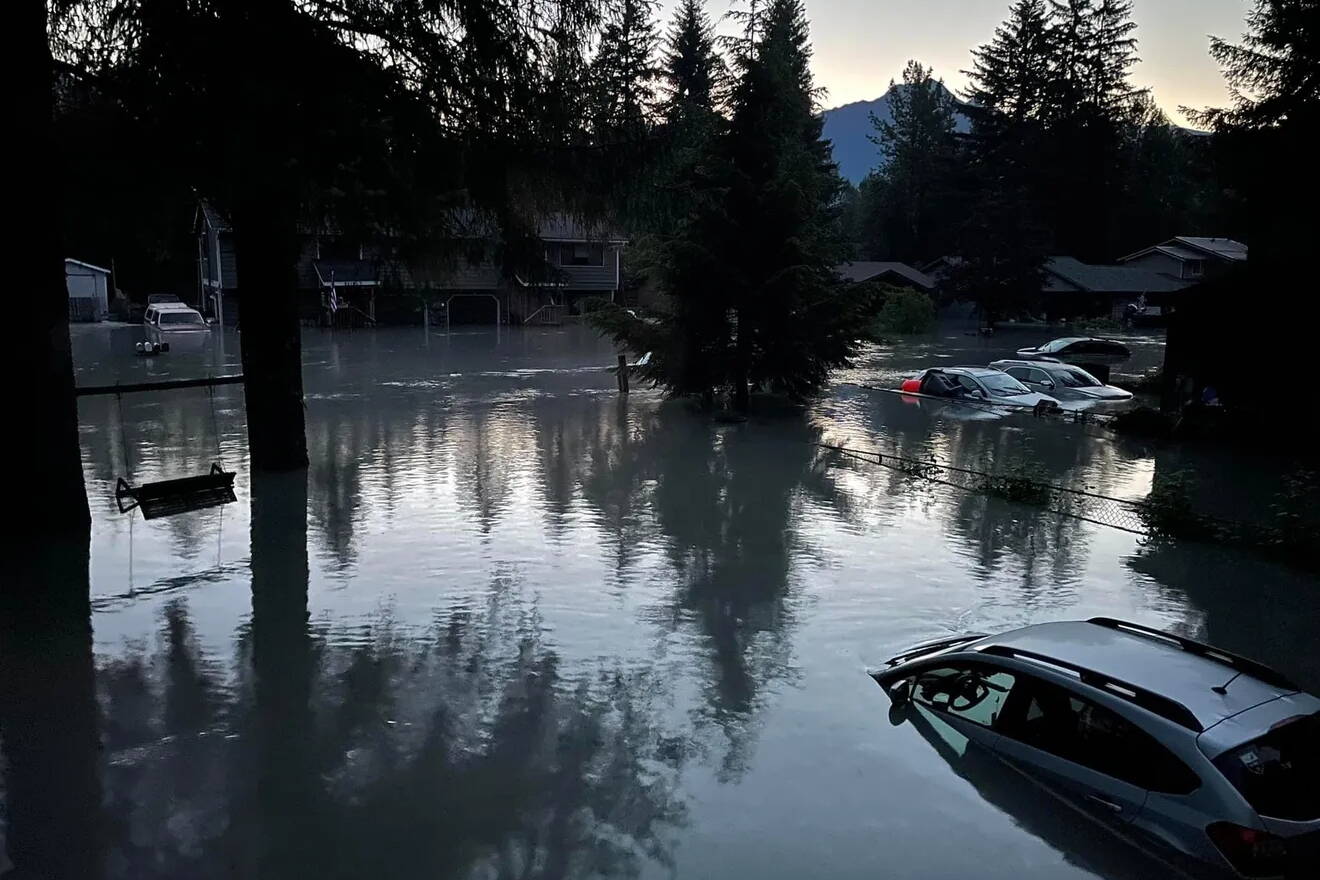
This year, that surge met with glacial outburst flooding from Suicide Basin, overflowing the Mendenhall River into the driveways and garages and front doors of 300 homes. Dog salmon churned at the intersections of streets, ignoring traffic lights as they spilled into the trees, searching for their path. The pulse of life renewing the forest came with destructive force: a sudden, messy event, a disaster.
People responded immediately and went out to help. Neighbors set aside daily employment and turned to help one another. Bailing water, cleaning, wading into the work. Crawling under buildings to remove saturated insulation, cooking and serving food, bringing comfort. Gathering and organizing the work of the response and the donations of cash and needed items. People reached into savings and business inventories and stores of compassion and brought help. The abundance of compassion was brought from the storerooms of gratitude and shared.
Now we are in the time after the flood, the time of emergence from disaster. The power of life recovering becomes manifest. One of the most difficult attributes of recovery is that the mighty healing power of recovery takes time. The power of life recovering is the hidden power of miracles.
While we are plodding through recovery, it seems interminable. There are steps that must be taken in order to progress. Emergency response, damage assessment, problem identification, resource assessment, direction and planning, allocation of effort and resources, and then, sustained work. There is so much to do, and our small efforts may seem futile, overwhelmed by feelings of loss.
In many ways, this is the hardest part, the recovery after things go wrong. Tiredness seeps in and accumulates. Debts accumulate. The adrenaline wears out. The surge of life, the abundance of compassion, the excitement of gratitude—all ebb. We begin to recognize that we have been through so much: not just this present disaster, but all the calamities before.
Life can begin to seem like an endless series of hardship and work plods on. Hope fades. But really, we think, what have we ever been able to do, to achieve? We are busy just keeping on with the work of life and family. Our small efforts seem futile, overwhelmed by the magnitude of feelings of loss.
Don’t quit five minutes before the miracle happens.
Jesus said, “Listen to me, all of you, and understand: there is nothing outside a person that by going in can defile.” It is from the thoughts of our hearts that we are defeated — or strengthened.
In this season of Creation, when so much has already been experienced, we can learn to work and live together in a sustainable way. We can learn the pace of the recovery walk. Every little bit of progress counts, and each step comes at a cost. Work, surely; then rest. Purify the thoughts of the heart. Rest to replenish hope and compassion. Pray and meditate to replenish gratitude and faith. In this season, we learn a new way of budgeting: the abundance of life is a gift to be shared. Life is given to be spent with gratitude. We can’t give what we do not have; and we receive what we need with gratitude. Little by little, we recover. A day at a time, miracles happen and before we know it, we live again, in joy.
• The Rev. Gordon Blue is the rector for the Church of the Holy Trinity. “Living Growing” is a weekly column written by different authors and submitted by local clergy and spiritual leaders.
