Opinion: The kinder, gentler vision of George H.W. Bush
Published 2:00 pm Saturday, December 15, 2018
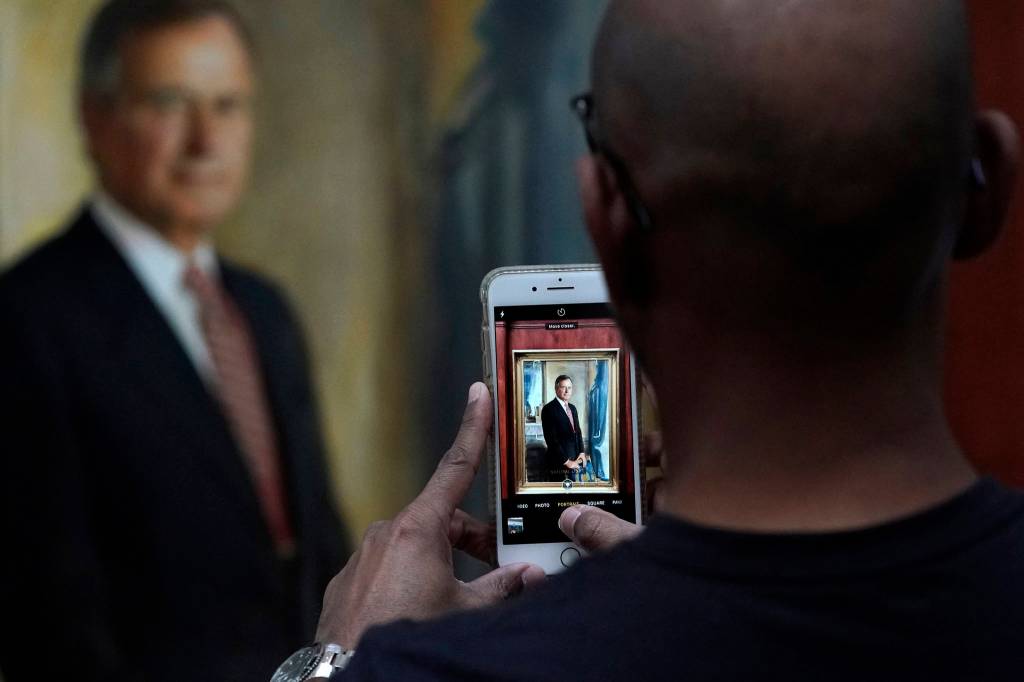
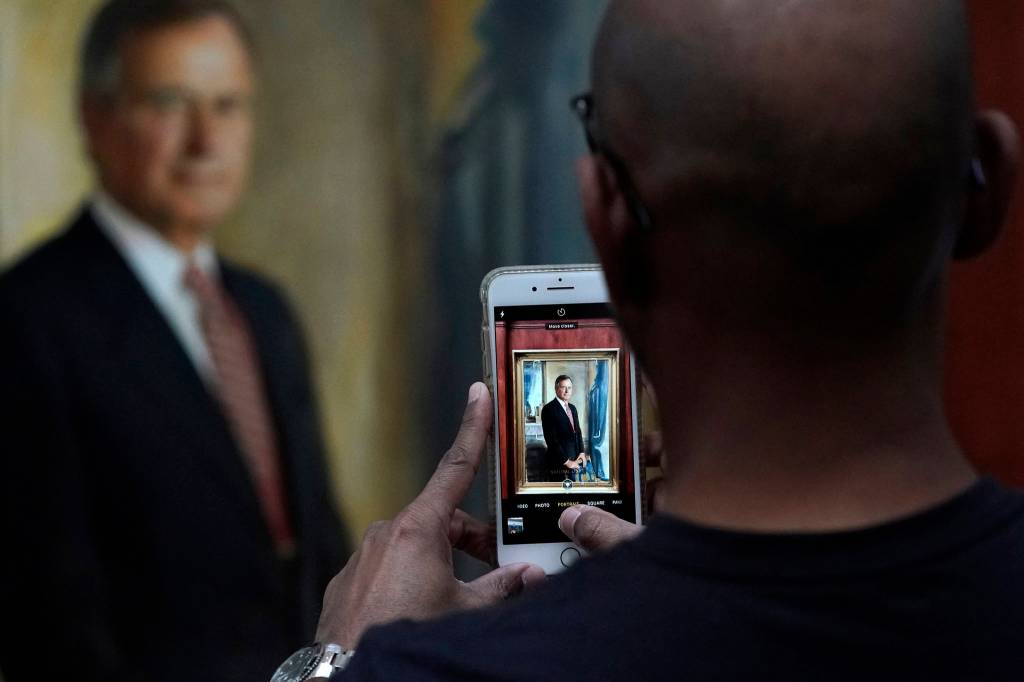
“How on earth did we get here?” Guardian columnist Hadley Freeman asked a few days after funeral service for President George H.W. Bush. The question seemed directed at the remembrance of him as a “titan of unity” against the backdrop of some “arrogant, careless and self-serving” acts committed during his 1988 campaign and four years in office. But the implied call for introspection was the right companion for the ambivalence I’ve felt the past two weeks.
I didn’t vote for Bush in 1988 or 1992. Aside from signing the American Disabilities and Clean Air acts, there was little he did that I admired. The fall of the Berlin Wall and collapse of communism were monumental events that happened on his watch, but they weren’t the result of any foreign policy blueprint he put into place.
I knew where to find harsher judgements and full-throated condemnations of his presidency. But I avoided them and comparisons between him and the current occupant of the White House.
Maureen Dowd brought me something gentler. As The New York Times White House reporter, she knew Bush personally. She briefly mentioned her critical coverage of his aristocratic heritage, campaign tactics and blunders like the “secret midnight champagne toast with the leaders who perpetrated the Tiananmen Square massacre.” Despite all that, she believed he mostly “tried to do the right and decent thing, as he saw it, to act for the good of the country and the world.”
And by sharing pieces from their decades of correspondence, Dowd offered insights into the man behind the image. “How can I feel a warm spot in my heart for someone who day in and day out brutalizes my son?” he wrote to her sometime after George W. invaded Iraq. “I don’t know but I do. End of Confession — Con Afecto, GB #41.”
Thomas Mallon’s piece in The New Yorker was written with a similar tone. Titled “The Irreducible Niceness of George H. W. Bush,” he began by describing an incident about the future president rescuing a fellow student from a high school bully.
Freemen seemed annoyed by such sentiments. But after cataloguing the highs and lows of Bush’s presidency, she veered off course to describe an unrelated political scandal in the U.K. It helped drive home her point.
“It’s perfectly possible to support a politician and still have criticisms,” Freeman wrote, and “not to support them but also acknowledge their strengths. Otherwise, you’re just a propagandist.”
“George HW Bush, of all people, knew that,” she continued. “Many others, on the left and the right, don’t, and it’s doing the political climate no favours. As a result, everyone else looks back sentimentally to the days when Bush” was president. “We need to be better than this,” she concluded.
Much better in Mallon’s opinion. Noting Bush’s kinder and gentler vision was profound but never took, he wrote that America “has become spectacularly meaner, to the point that George H. W. Bush is likely to be remembered as the last President of the Republic not to have been intensely despised by a significant portion of its population.”
In his tribute published in the Empire last Sunday, Ben Brown put that disturbing possibility into perspective. Bush, he wrote, understood “the need to see one’s political opponents as just that, challengers in time-limited contests, at the end of which one must leave the competition for election behind and turn to working cooperatively on the process of governing.” Absent that, “it becomes all the more difficult to hope that the urgent and critical needs facing our nation and world today can possibly be addressed and resolved for the benefit of all.”
The reality is most of us never met George H.W. Bush. And a lot were too busy in their own lives to closely observe him in the White House. In that sense, remembering his presidency is really a reflection of the people and time he governed. Whether successes or failures, these stories are about us as much as they are about him.
Except maybe his “kinder, gentler” vision. He’s not responsible for the ugly, partisan animosity that plagues our nation today. That better way was possible. Finding it now will not just honor him. It’s a prerequisite to hoping we can heal the world we share.
• Rich Moniak is a Juneau resident and retired civil engineer with more than 25 years of experience working in the public sector. He contributes a weekly “My Turn” to the Juneau Empire. My Turns and Letters to the Editor represent the view of the author, not the view of the Juneau Empire.