
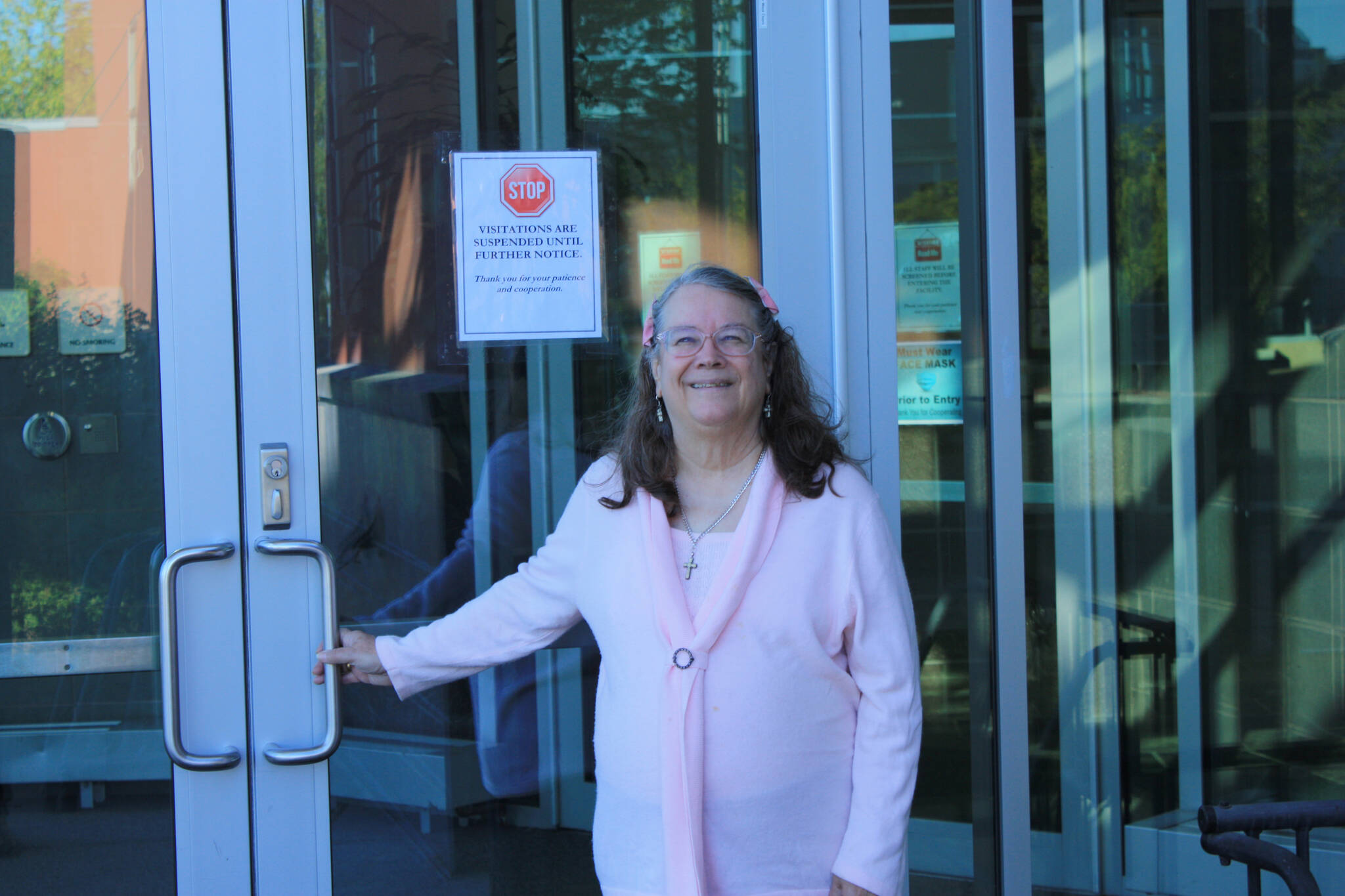
When House Bill 172 was signed into law on July 15, it set in motion a requirement that the Department of Health and others for the first time must put forth suggestions in a report to the Legislature on how to improve state oversight and outcomes of psychiatric patients undergoing treatment.
Any multi-agency report to the Legislature can cost over $100,000. I could do the important parts of the report with a 25 cent Bic pen and 25 minutes. If the idea is to protect psychiatric patients, then the Alaska Legislature made a huge mistake in 1992, when AS47.30.847 was passed, providing that managers of psychiatric facilities write the patient grievance and appeal process. Having managers determine how patients may grieve and appeal complaints against the hospitals is the proverbial “fox in charge of the henhouse.” Psychiatric patients by the same law have a right to bring their grievance to an impartial body within a facility, but managers get to choose when. The way I read the Alaska Psychiatric Institute patient grievance procedure; it is the second Tuesday of every week.
Every locked psychiatric facility or unit in Alaska claims they are providing “trauma informed patient care.” At the intake, a patient is interviewed and any trauma in the patient’s past is put in the patient’s record. And in on-going treatment adjustments are supposed to be made to reduce the trauma to the patient.
In fact, “trauma informed treatment” is simply a buzz phrase. The psychiatric institutions provide care governed mostly by employee union and hospital rules, convenience and economics.
Psychiatric institutions like the Alaska Psychiatric Institute have stated they will not recognize and provide treatment for “institutional or sanctuary trauma.” If API did, they would be forced to change antiquated hospital policies. But improving patient rights and outcomes by recognizing institutional trauma often comes up against employee union rules and long-standing hospital policies and a good idea goes nowhere.
Over 40% of the psychiatric patients will experience “institutional trauma” during treatment that can cause long-standing damage—in many cases the trauma is avoidable—examples include poor design and overcrowding of psychiatric units, patients unable to file a grievance or an appeal in a fair way, removal of patient rights for minor infractions of hospital rules, unnecessary assaults by staff—These are tough issues that psychiatric facilities will not deal with on their own without prompting by the courts or the legislature.
Up to 95% of the psychiatric patient complaints, injuries, traumatic events, patient-on-patient assaults and even staff on patient assaults are solely investigated by the staff of the psychiatric facilities with no independent review by the state or others. The Department of Health and the Department of Family and Community Services are required by state law AS47.30.660 to investigate complaints of psychiatric patients, but they don’t. There is also a caveat in the law that they can delegate their responsibility. There is also a requirement that these agencies must protect psychiatric patients. They have also delegated that responsibility by not keeping and responding to statistics of the number and type of psychiatric patient complaints, injuries and traumatic events.
In 2015, the legislative legal services put forth the opinion that the state was turning psychiatric patients over to private and nonprofit psychiatric facilities for treatment with an insufficient state standard of care, and I would add, oversight.
Seven years after the legislative legal services put forth their opinion, state agencies have not examined the issue or the ramifications to psychiatric patients.
Everything the Legislature has passed to protect psychiatric patients should be reviewed with patient treatment and outcomes at the center, rather than institutional convenience and lack of accountability, and employee union demands. A good place to start is AS47.30.847, AS47.30.840 and AS47.30.660 (b) (13). A way to add a state standard of psychiatric patient care and a way to do oversight must be added to these laws. As of now, managers and owners of psychiatric facilities have too much leeway in interpreting laws that are supposed to protect patients but often don’t.
• Faith J. Myers is the author of the book, “Going Crazy in Alaska: a history of Alaska’s treatment of psychiatric patients.” And author of the e book, “Mental Health Care in Alaska 2022: a report card by a former psychiatric patient.” Columns, My Turns and Letters to the Editor represent the view of the author, not the view of the Juneau Empire. Have something to say? Here’s how to submit a My Turn or letter.
