
By Rich Moniak
Sen. Lora Reinbold, R-Eagle River, has gained “a new appreciation” for the Alaska Marine Highway System.
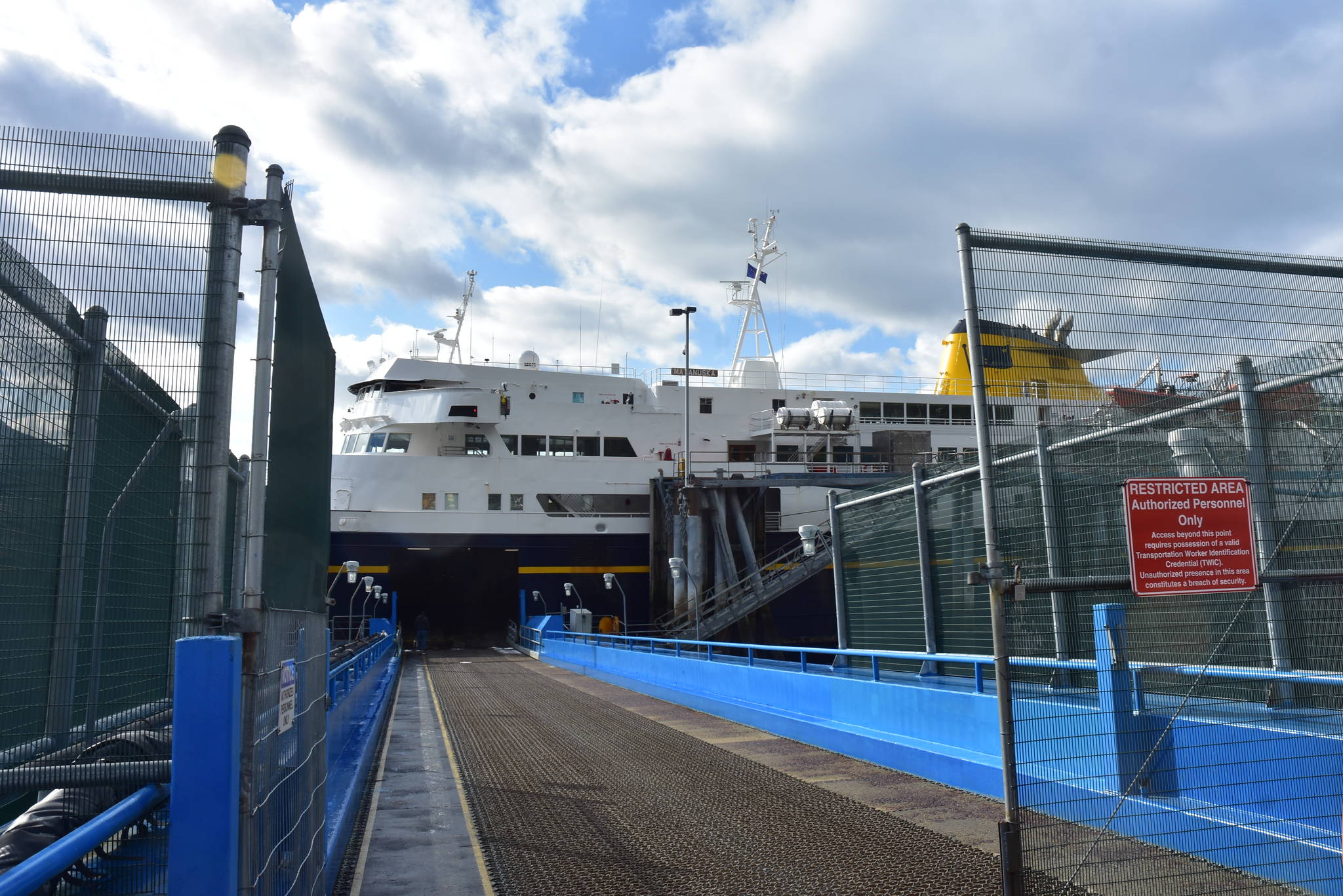
She’d like us to think it’s because she drove 740 miles from Eagle River to Haines last weekend, boarded a ferry bound for Juneau, and arrived in time to vote against the COVID-19 emergency bill.
It handily passed despite her opposition.
In any case, I think she was more grateful for the media attention the trip brought to her anti-mask crusade. That story began when Alaska Airlines banned her from flying because of repeated noncompliance with federal face mask policies. It was reported on Fox News affiliates across the country, the New York Times, and even The Independent in London.
Those stories left out one interesting fact. AMHS budget cuts imposed by Gov. Mike Dunleavy, and supported by Reinbold, have proven disastrous to the reliability of the system. Which meant she was lucky there was ferry was running as scheduled.
Dunleavy himself is taking advantage of another angle of the pandemic to appear like he’s an AMHS champion. Almost $77 million of the $900 billion COVID relief package passed by Congress in December is available for mass transit in Alaska. He and lawmakers have agreed to use that windfall to forward fund ferry operations through the end of 2022.
“What we’ve said we always want to do is stabilize the system, modernize the system and sustain the system so that it’s not up and down one year to the next,” Dunleavy explained while in Ketchikan earlier this week.
If that was true, he wouldn’t have destabilized it in the first place.
Almost immediately after taking office, Dunleavy proposed reducing the AMHS budget by two-thirds. The legislature increased it, but every single port of call still saw a dramatic reduction in service. Not a single ferry sailed to Cordova from October 2018 to April 2019. Kodiak, Angoon, Tenakee, and Hoonah went weeks or months without a sailing.
Dunleavy also hired a consultant to examine the possibility of privatizing the system. When it was determined that wasn’t feasible, he commissioned another study to “reshape” the system.
In the meantime, he sold the 55 year-year-old Taku for almost nothing. Then sold the two fast ferries for a fraction of the price they were purchased for 15 years ago. And he delayed funding retrofits for the new Alaska Class ferries that would have allowed them to adequately fill in behind them.
Every one of those decisions hampered ferry operation. The system became so unstable that at times the ten-vessel fleet was reduced to two regularly functioning ferries. Given the meager budget increase he proposed for next year, it would have remained crippled.
It’s federal spending that created the opportunity to give it a much-needed shot in the arm.
Forward funding using the pandemic aid is a good idea. But the one-time windfall will only temporarily plug the hole Dunleavy created. And when asked by reporters if the injection of federal funds would supplement or replace state funds proposed in his budget, he offered a noncommittal “we’ll see.”
Well, I think we’ve seen enough mismanagement to recognize it as a dereliction of duty.
Meanwhile, House Speaker Louise Stutes, R-Kodiak, used the word “tremendous” to describe the forward funding agreement. “By stabilizing the scheduling, that’s going to increase ridership, which is going to increase revenue.”
While any increases in both would be good news, token improvements measured against the backdrop of the past two years under Dunleavy aren’t anything to brag about.
Stutes and her majority caucus should be doing everything possible to push funding levels back to it what was when candidate Dunleavy said he had “no plan to hack, cut or destroy the marine highway system.”
Of course, the House can’t restore system funding alone. It needs a majority of the Senate on its side.
I don’t expect Reinbold’s new-found appreciation for our ferries to turn her into an ally over there though. Like Dunleavy, she’s not genuinely concerned that the ferries aren’t adequately serving communities along its routes. Until COVID arrived, their sole priority was convincing Alaskans that the only path to a prosperous future is drastically cutting the size of state government.
And neither have the moral courage to ever admit they might be wrong.
• Rich Moniak is a Juneau resident and retired civil engineer with more than 25 years of experience working in the public sector. Columns, My Turns and Letters to the Editor represent the view of the author, not the view of the Juneau Empire. Have something to say? Here’s how to submit a My Turn or letter.
