Opinion: Is Juneau making progress toward renewable energy goals?
Published 10:30 pm Tuesday, September 14, 2021

By Mary Alice McKeen
On Feb. 2, 2018, the City and Borough of Juneau Assembly unanimously approved “A Resolution Adopting the Juneau Renewable Energy Strategy.” The Juneau Renewable Energy Strategy laid out a case for Juneau to adopt the goal of our city obtaining 80% of our energy from renewable sources by the year 2045. The Assembly approved that as our goal. How are we doing in meeting that goal?
The Juneau Renewable Energy Strategy or JRES is a remarkable document. Completed in 2017, JRES took several years to develop and was the result of collaboration between the Juneau Commission on Sustainability, a citizen group of committed volunteers; CBJ staff; and the engineering consulting firm Stantec. You can look at the 169-page report or the more friendly eight page Executive Summary at https://juneau.org/community-development/jcos.
The rationale for JRES is straightforward. The primary renewable source of energy in Juneau is hydroelectric power which, according to the JRES, supplies about 20% of our power. Three percent of our energy comes from wood. The other 77% of our energy is from fossil fuels and we send more than $140 million out of the local economy annually to import these fuels. The JRES Executive Summary concludes:
“While Juneau can’t influence the costs of imported fossil fuels, it can take a wide range of actions to influence energy consumption, supplies and costs within the community. Reducing dependence on fossil fuels, through energy efficiency and substitution of renewable energy sources, can help create new jobs and businesses, reduce costs, and increase community resilience, while reducing climate impacts.
JRES establishes four strategies to reach the 80% renewable energy target:
No. 1 : Implement a CBJ energy management plan to make CBJ a leader in energy efficiency and adoption of renewable energy: the idea was that the city spends $8 million dollars on energy. It can provide an example of how to wisely spend its energy dollars.
No. 2 : Reduce Juneau’s dependence on fossil fuels for space hearing: this can be done primarily through heat pumps for heating buildings and through improving energy efficiency of homes and commercial buildings.
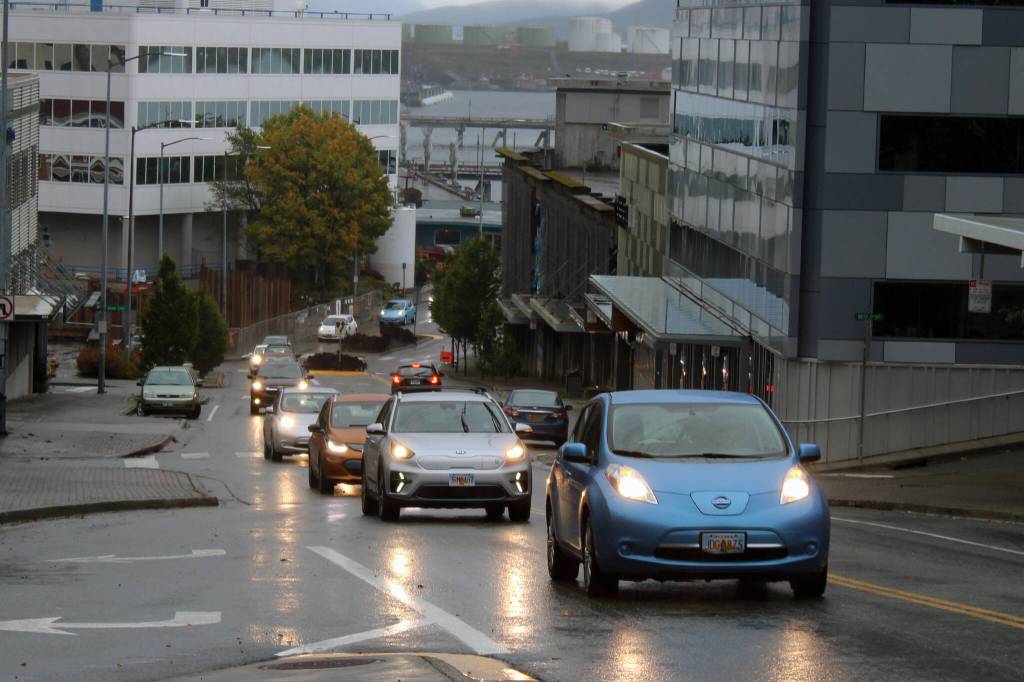
No. 3: Reduce Juneau’s dependence on fossil fuels for transportation: this will be done primarily through electric vehicles [EV] and through decreasing the use of fossil fuels by cruise ships.
No. 4: Support efforts to provide new renewable energy supplies for Juneau.
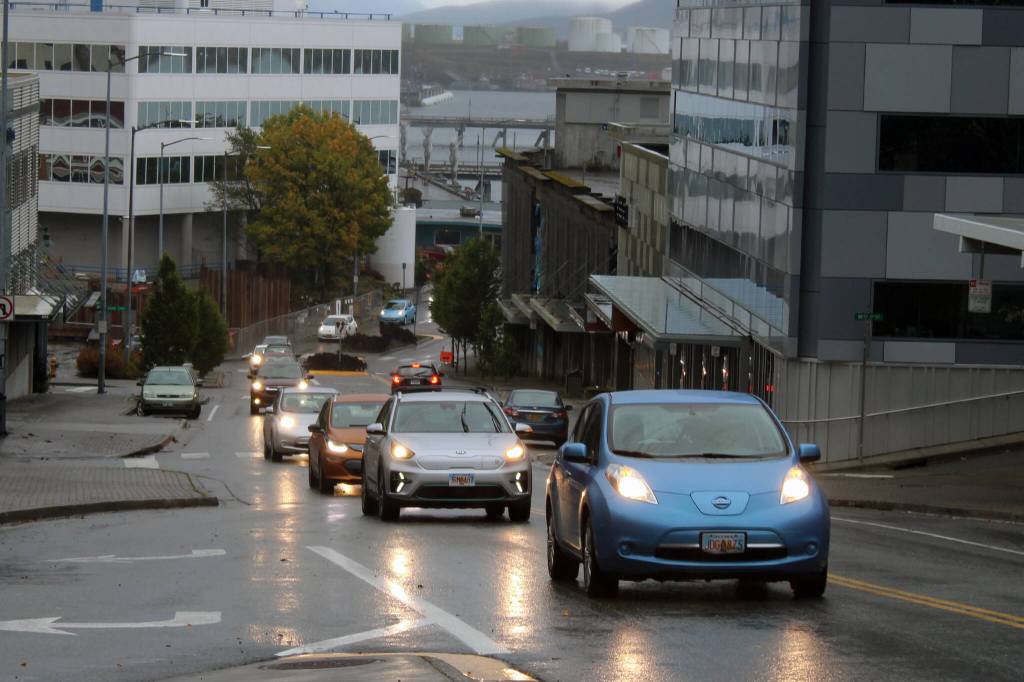
The city — both the government and private citizens — has taken steps to implement these strategies. More of us now drive electric vehicles. More of us now heat our homes with heat pumps. CBJ has an electric bus and smaller electric vehicles used by the traffic officers. . The City has applied for a grant to support dock electrification. CBJ has provided funds to Alaska Heat Smart. Alaska Heat Smart provides assessments to homeowners to help them decide how to decrease their energy costs through measures such as heat pumps and energy conservation steps.
This is all good. But how effective have these measures been? How are we doing in moving from 20% to 80%? With the actions we have taken, have we moved the needle? How much have we moved it in home heating? How much in transportation? What percentage of our energy comes from renewable sources today? Are we still at 20%? Hopefully not, but we don’t know. What is the status of the city’s Energy Management Plan? Are we on track to get to 80% by 2045? How are we doing?
• Mary Alice McKeen is a member of the Alaska Interfaith Power and Light Steering Committee. Columns, My Turns and Letters to the Editor represent the view of the author, not the view of the Juneau Empire. Have something to say? Here’s how to submit a My Turn or letter.