Opinion: Indigenous-led mariculture and traditional economies set an example for our future
Published 10:30 pm Sunday, November 20, 2022
November is Native American Heritage Month, and traditional Indigenous knowledge is essential to shaping a just transition for Alaska’s economy.
The problems we face are interconnected–climate change, health disparities, food injustice and more. The tactics we use to solve problems must encompass these connected systems. Feeding our families through non-extractive and local practices empowers Indigenous leaders, flexes food sovereignty, and provides Alaskan families with healthy, locally-grown food. Indigenous kelp and mariculture (i.e., bivalves; mussels, clams, scallops, oysters, etc.) practices are essential in coastal Alaska and beyond to enhance ecosystems and feed our communities.
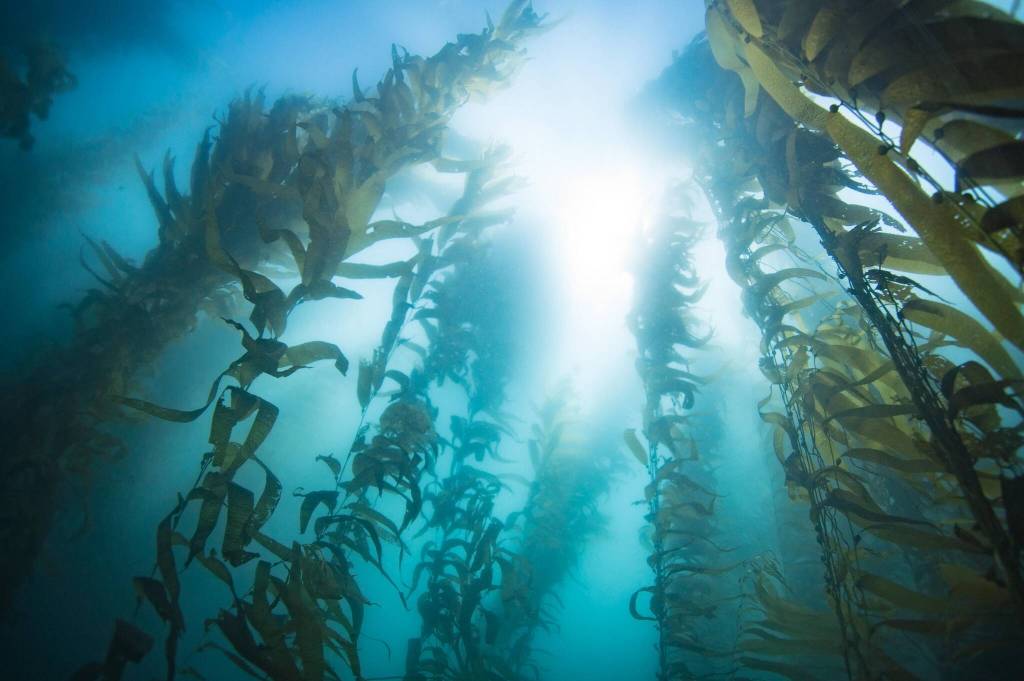
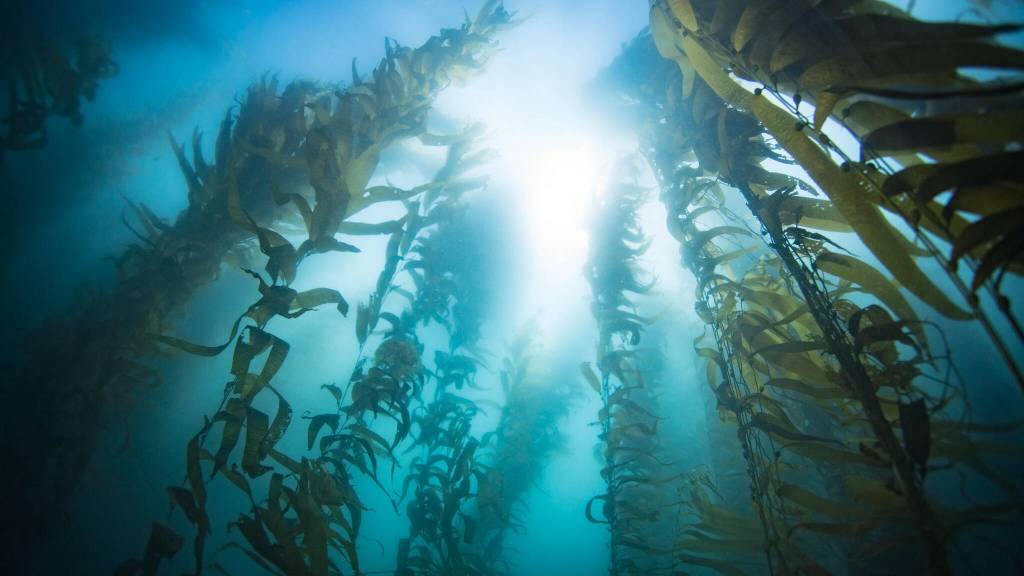
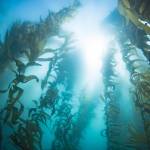
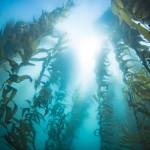
The kelp farming industry is one branch of regenerative mariculture that grows sea greens on lines suspended below the ocean’s surface. Kelp is a nutrient-dense food that carries cultural significance for many Indigenous communities. It benefits the marine environment, strengthens the economic resilience of rural Alaska, and directly increases food security for coastal communities and areas where fertile land is scarce.
Kelp provides vital habitat and food for many species of marine mammals, fish, crustaceans, and sea birds. It creates nurseries and refuges for several hundred juvenile fish and ocean critters, including salmon (both wild and hatchery salmon) and Pacific herring, and supports smolts’ safety in their journeys from natal rivers to the open ocean.
Aside from its easy harvestability, kelp heals the ocean. Dune Lankard, an Eyak Elder and President and Founder of the Native Conservancy, says, “kelp can help” and “kelp is the hemp of the sea,” as Alaska faces rapid ocean acidification, warming waters, and rising sea levels. It sequesters carbon and transforms surrounding waters, which reduces acidification and creates oxygen-rich pockets. There is a “halo effect” of enhanced water quality in areas directly surrounding kelp and mariculture farms.
In 2002, Lankard founded the Native Conservancy, the first Native-led, Native-owned and directed land trust in America, which works with Alaska Native peoples to permanently protect and preserve endangered habitats on ancestral homelands. One of the many efforts they currently lead is to empower and equip Indigenous women and youth with the resources and immersion training to permit ocean farms, do their own landscape analysis, source their own wild kelp seed and start their own kelp farms, creating opportunities through a regenerative economy and reconnecting the community to a traditional staple food: seaweed.
By supporting Native ocean farmers, Lankard hopes to empower coastal rural communities to decide their own fate, and lead the way in a new movement and kelp industry. The idea is to assist and provide Indigenous farmers with the skills and resources they need to successfully permit, cultivate, market, and distribute raw, dried, frozen and finished kelp products themselves through a series of hands-on immersion experiences and training that is offered by the Native Conservancy.
While Alaska’s seaweed industry is still modest in size, mariculture is quickly gaining momentum. There is much work that needs to be done to keep the mariculture industry accessible and affordable, which is why empowering and funding Indigenous-led, community-owned and tribally operated farms through Justice40 funding opportunities is essential and needed.
Now is a critical moment for coastal communities to create their unique visions for ocean farming in their home waters. While some push the industry to expand quickly, the most positive impacts will come from thoughtfully-planned family and/or Tribally owned farms that are based on healing the waters first and foremost. The original stewards and guardians of Alaskan lands and waters have managed equitable food systems, including harvesting wild kelp and herring roe on kelp (and herring roe on Spruce and Hemlock boughs) for thousands of years. We can and should learn from them. We must allow traditional Indigenous knowledge and customary practices to show us the path forward. And we must support these local small ocean farming businesses, if we hope to restore our oceans, feed our people and build a thriving and regenerative economic future.
• Dune Lankard is the President and Founder of the Native Conservancy. Skye Steritz is the Co-Founder of Noble Ocean Farms. Columns, My Turns and Letters to the Editor represent the view of the author, not the view of the Juneau Empire. Have something to say? Here’s how to submit a My Turn or letter.