
An earlier version of this opinion piece stated Juneau Composts!, claims to have redirected over 1.2 million tons of food scraps. The figure should have been 1.2 million pounds. It has been updated to reflect that.
Capitol Disposal Landfill, a subsidiary of Waste Management, is a private company that owns and operates Juneau’s only landfill. Their recent announcement hiking residential and commercial rates for disposal at Juneau’s landfill underscores a serious issue that impacts Juneau’s livability in terms of environmental health and safety as well as cost-of-living.
On Feb. 1, household garbage rates increased 10% from $180 per ton to $198 per ton and the minimum charge zoomed from $49.50 to $141.19 — a near tripling of the rate most residential users will pay.
But that only tells half the story.
In 2020, landfill disposal fees averaged $54 per ton nationally, while in the Pacific region the average was $72 per ton. At WM/CDL’s newly announced rates, Juneau’s rates increased from 235% to 268% above the 2020 national average.
Additionally, Waste Management is restricting residential customers to four hours per week to dispose of garbage at the landfill — from 8 a.m. to noon on Saturday.
Waste Management justified these charges as “necessary for public safety” and as a way to pay for improvements at the landfill.
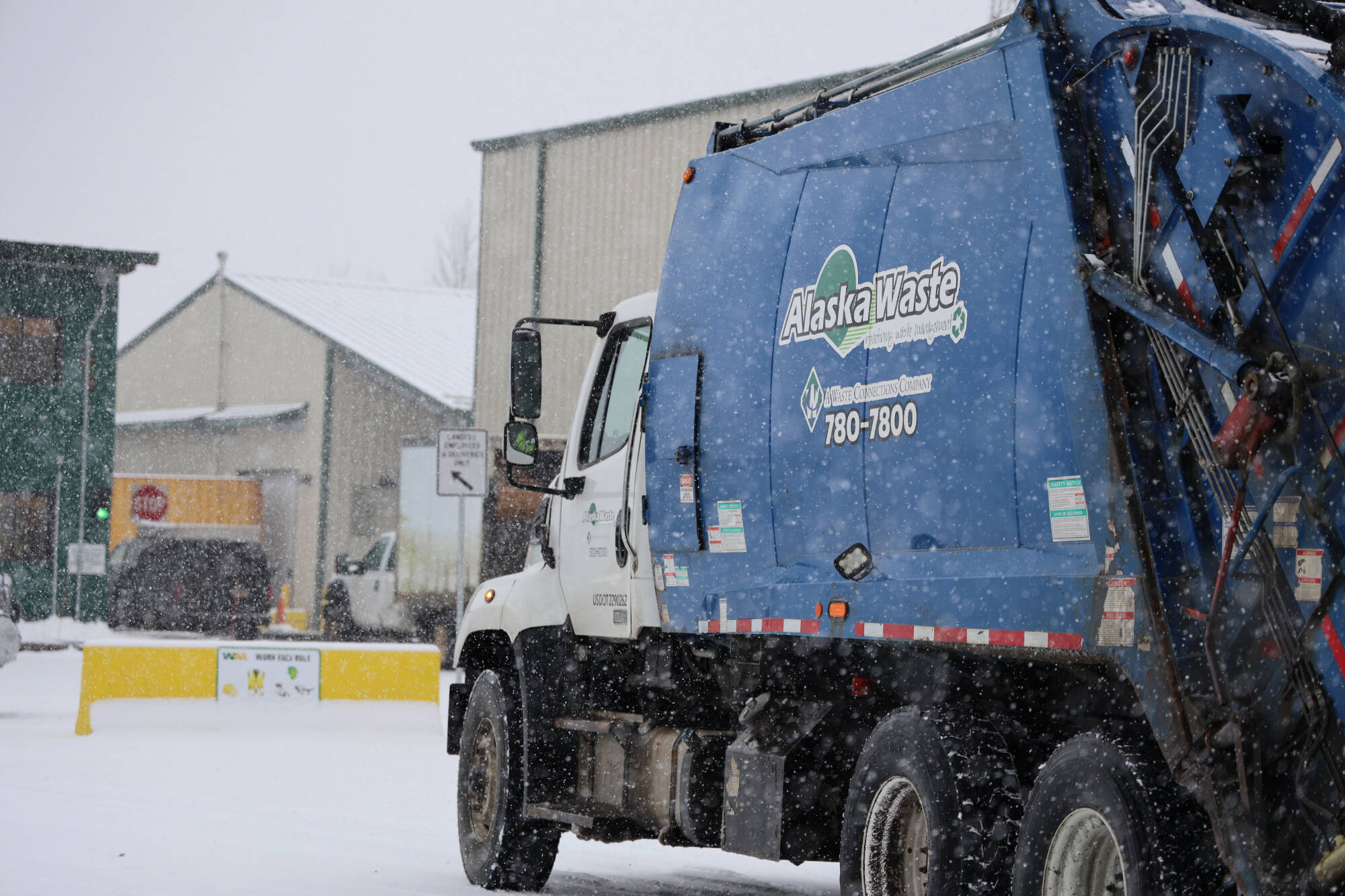
Unlike Alaska Waste, a separate, unrelated company that picks up commercial and residential trash receptacles, WM/CDL is free to charge whatever they want whether residents can afford it or not. Landfill rates are unregulated, unlike other city utilities whose rates are approved by the Regulatory Commission of Alaska.
Juneau City Manager Rorie Watt, in a memo to the Assembly Finance Committee, stated the obvious. While the change will likely benefit WM/CDL financially, Watt declared that Juneau residents can “expect an increase of dumped garbage at the ends of roads, on remote properties and in facility dumpsters.” He predicts an increase of $50,000 in municipal budgets will be required to manage the increased workload and disposal fees.
Solid waste disposal is not a new problem. It’s a smelly, messy and complicated problem that’s not going away on its own.
Despite the best efforts of environmentally conscious residents who recycle, compost and reuse grocery bags, the community still generates a lot of trash.
To the credit of the Juneau Assembly and city officials, solid waste issues have not been ignored but this latest action should give them even greater urgency. An Assembly subcommittee, the Juneau Committee on Sustainability authored a comprehensive March 2021 report outlining the challenge and steps to address it.
According to the Alaska Department of Conservation, the landfill is approaching the end of its useful life and is predicted to last just 17-26 more years.
While some wish our incinerator was operational again, current EPA regulations and Juneau’s relatively low waste volume (about 100 tons per day) do not make incineration a practical solution. Shipping our garbage south has its own downside given Juneau’s onerous freight rates.
In the short term, we must reduce our solid waste stream and, in the long term, decide how we’ll replace our existing landfill, an effort that will likely cost tens of millions of dollars. Shouldn’t we be setting money aside for that now?
As the JCOS report outlines, there are three avenues to pursue now: waste reduction, reuse, and recycling.
Waste stream diversion into recycling programs is on-going and supported by the city and Waste Management. Also, a private company, Juneau Composts!, claims to have redirected over 1.2 million pounds of food scraps plus yard waste since their inception. These programs need to be expanded as they currently only comprise a fraction of WM/CDL’s estimated annual landfill tonnage.
In the last year, the city reached agreement with the cruise industry to minimize landfill waste from ships. Also, a $2.5 million federal grant was awarded to Juneau for designing and constructing a commercial-scale compost facility. This will help address both environmental and health concerns by reducing waste that contributes most to greenhouse-gas emissions and noxious odors at Juneau’s landfill.
There’s no silver bullet to fix this problem. It cannot be solved by city government alone. While city leaders can begin setting aside funds for landfill replacement, residents can do more to embrace conservation, reuse and recycling.
Future cutting-edge technology will help provide solutions, but we need to get more creative and cost-conscious. Health, safety, and cost-of-living concerns deserve our attention today.
• After retiring as the senior vice president in charge of business banking for KeyBank in Alaska, Win Gruening became a regular Opinion Page columnist for the Juneau Empire. He was born and raised in Juneau and graduated from the U.S. Air Force Academy in 1970. He is involved in various local and statewide organizations. Columns, My Turns and Letters to the Editor represent the view of the author, not the view of the Juneau Empire. Have something to say? Here’s how to submit a My Turn or letter.
