
In the last two years, housing prices and rents have risen dramatically, even for Juneau. The management of the Ridgeview Apartments project has become a symbol of why you cannot find affordable housing in Juneau. Before dipping into the Juneau Affordable Housing Fund (JAHF), the Assembly failed to consider one pertinent fact about a common construction industry practice: developers have a frequent habit of changing the terms of the deal midway through a project. After being awarded a $1.2 million “sweetheart” 0% interest loan out of JAHF, tax abatements, and other perks, today only one building has been built. And those “affordable” condos? Half a million dollars, no frills. Experience dictates that developers will alter the deal after construction begins. The more they renege on the deal, the less affordable the new units will become.
Now we’re giving 0% interest loans from JAHF to out-of-state developers with no affordability requirement. The projects that these developers are carrying out are often sold at market value to outside investors because local Juneauites cannot afford them. Economics induce those same units to become short-term housing, making the Juneau housing crisis even more desperate. Juneau has created a dual economy: one for rich outsiders — and another for the locals who subsidize them. The tragic irony of CBJ’s housing model is that it makes poor people subsidize wealthy consumers’ second homes and Airbnbs.
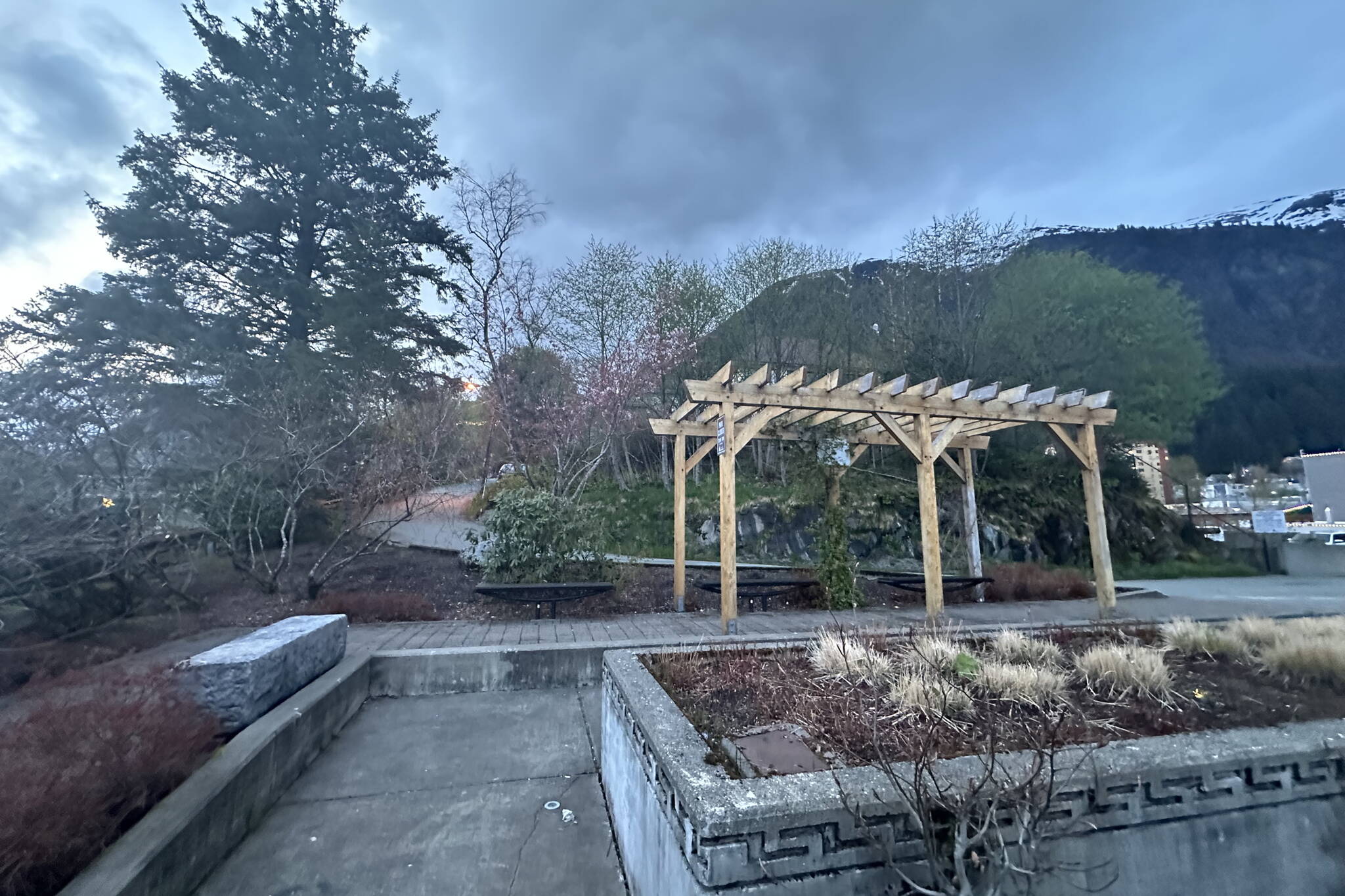
This leads us to the Assembly’s recent ordinance to allocate $5.5 million for the first phase of the demolition of Telephone Hill. In 2023, the Assembly used Juneau’s tax dollars for a carefully crafted public survey designed to prove public support for the expensive, long-planned project to demolish and redevelop Telephone Hill. If the Assembly really cared what the public thought about the redevelopment plan it might have included a fiscal question like, “Do you want to increase the sales tax by 2% over the next eight years to fund the redevelopment of Telephone Hill?” It will cost $5.5 million dollars of our tax money just to demolish the houses. Millions more will be needed to get the hill ready for sale.
CBJ finally found a developer from Seattle to take on the redevelopment of Telephone Hill. Johnson & Carr, the developer, should be excited because they are literally being paid to purchase the land. For little skin in the game, the developers are expecting multiple years of subsidies and tax abatements. We should ask ourselves: where are our tax abatements? What about our interest-free loans? The darkest aspect of the Telephone Hill demolition project is that its funding will be siphoned from things that we need and voted for, like Pederson Hill, the Mobile Home Down Payment Assistance Program, and ADU(Accessory Dwelling Unit) funding. Diverting those funds will contribute to increased homelessness because the redevelopment project will literally take housing away from poor people to destroy housing downtown. CBJ governance has become a shell game with our tax allocations; voters do not know what sales tax subsidies they voted for. At the same time the Assembly wants to increase the millage rate on property taxes.
The Assembly should shelve its plans to demolish Telephone Hill until there is a real plan in place with a legally binding contract. If the Assembly is really serious about increasing housing density downtown, it needs to take a serious look at NorthWind Architects’ proposal to purchase the parking lot at 2nd and Franklin (behind Baranof) to build an 80-unit building.
Telephone Hill provides housing to paying tenants; there is no guarantee that anything will get built if they demolish it. Experience dictates that the developer will seek to renegotiate after construction begins, resulting in less affordability. Please speak at the June 9 Assembly meeting, and note which Assembly members vote which way. We will know who cares about Juneau in the way they vote. Three of them are up for reelection this October. If CBJ Assembly spent half as much time and money listening to our concerns as it does trying to convince us of things we don’t want, we could have solved the housing crisis long ago.
• Joshua Adams is dedicated to the preservation of historic structures and a member of Friends of Telephone Hill.
