
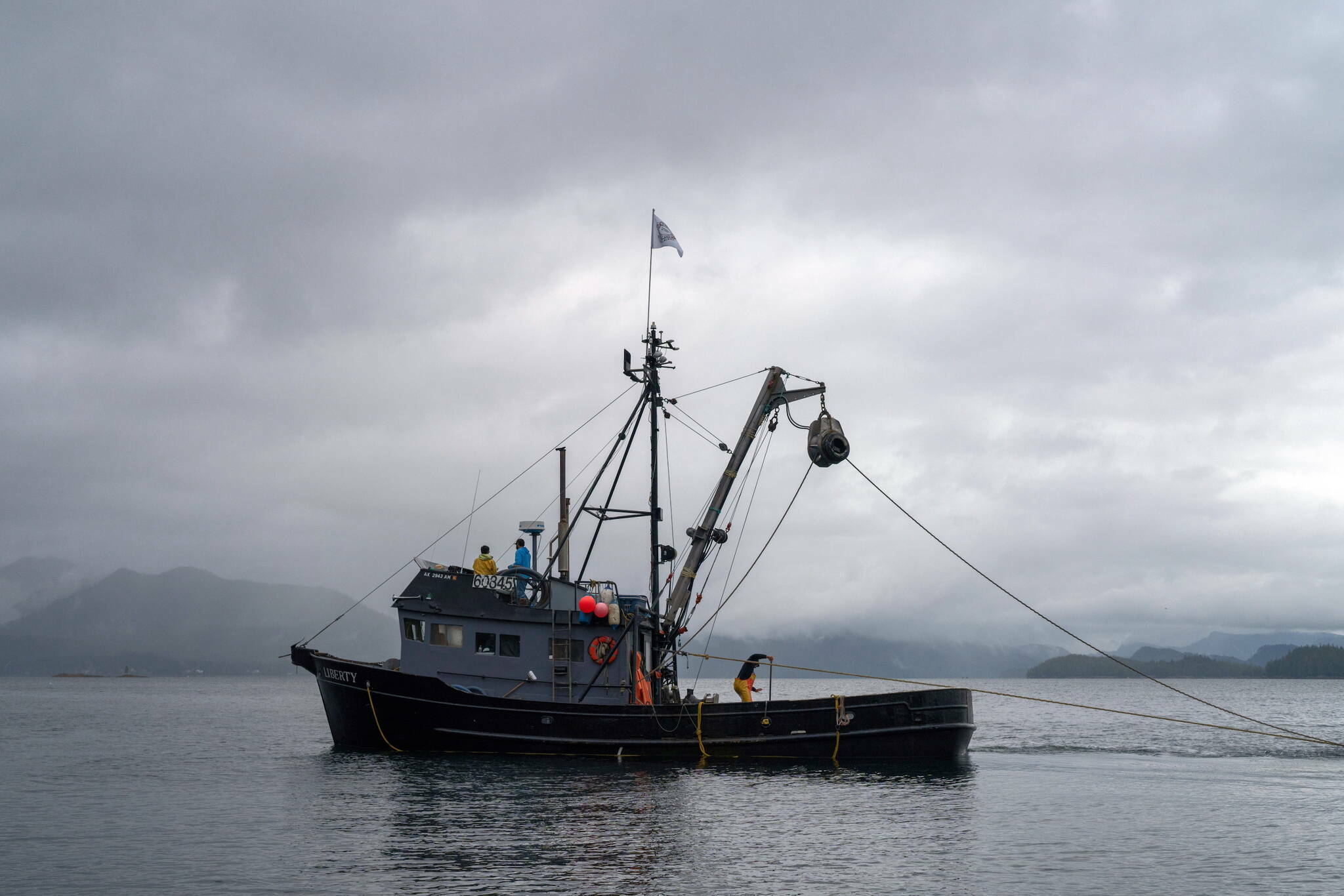
Spring is always a busy season for Alaska’s fishermen and fishing communities. The air is full of anticipation as we prepare for the inevitable surprises that come with fishing on Alaska’s wild waters.
This season, the uncertainty has a new edge as we face global tariff wars and threatened defunding of the very programs and agencies that keep Alaska’s fishing industry safe and sustainable. Programs already cut include the National Oceanic and Atmospheric Association (NOAA) weather forecasting, Alaska’s fisheries science centers, and the National Marine Fisheries Service.
Now President Trump’s 2026 budget includes an additional 28% reduction for NOAA, all but paralyzing the agency that undertakes essential fish surveys, stock assessments, marine research and regulatory actions to keep our fisheries sustainable. The president’s budget also includes cuts to the Sea Grant program, which supports fisheries and seafood economic development, and several other key programs that sustain the Alaska Department of Fish and Game’s salmon management and restoration.
Defunding the federal and state agencies that oversee our fisheries jeopardizes Alaska’s fisheries and coastal communities at a time of rapid change in the marine environment and challenging market conditions. It also undermines the president’s very own executive order “Restoring American Seafood Competitiveness” and leads us to ask: are we willing to put our money where our mouth is?
One of President Trump’s proposed budget cuts would hit Southeast Alaska especially hard. His 2026 proposed budget eliminates the Pacific Coastal Salmon Recovery Fund (PCSRF), which provides funding through the Alaska Sustainable Salmon Fund for projects that support the sustainability of Alaska salmon, enhance the ability of Alaska’s Department of Fish and Game to manage fisheries, and contribute to Alaska’s economy and food security. The Pacific Coastal Salmon Recovery Fund also supports restoration projects that advance the full recovery and sustainability of Pacific salmon and steelhead populations in the Pacific Northwest. Because many of the salmon stocks benefitting from these restoration projects spend part or most of their lives off of Southeast Alaska’s coast, Alaskans benefit as well.
Also on the president’s chopping block are key programs that support U.S. fishermen’s interests at NOAA and the U.S. State Department. Treaty-managed fisheries, including salmon and halibut, require deft international engagement against savvy Canadian counterparts. Defunding coordinated research and management between the U.S. and Canada would unnecessarily put at risk the future of our shared resources and U.S. fisheries. Isn’t this an administration that’s supposed to be sticking up for American interests on the international stage?
Since statehood, Alaska has invested millions of dollars and countless hours into developing one of the most robust fishery management systems in the world. As a result, Alaska seafood is highly valued as sustainable and commands a premium price — but maintaining that reputation demands careful and ongoing management, and that requires funding.
Alaska’s senators understand the implications of President Trump’s proposed cuts and have been speaking up to defend important fisheries programs. Senator Murkowski has been courageous in her criticism of cuts that hurt Alaskans across myriad programs. Senator Sullivan has been outspoken in his defense of fish surveys and catch accounting. We need them to continue championing our state’s fisheries and not let the administration compromise our state’s legacy of sustainable fishery management.
If this administration is serious when it says “our Nation has the greatest seafood in the world” (Executive Order), then we need President Trump to invest in the programs and people who make our fisheries successful. As Alaska’s fishermen gear up and head out for the fishing season, we are looking to Alaska’s senators to fund the core programs needed to sustain our fisheries and the businesses and communities that depend on them.
• Linda Behnken is a commercial fisher and executive director of the Alaska Longline Fishermen’s Association in Sitka.
