
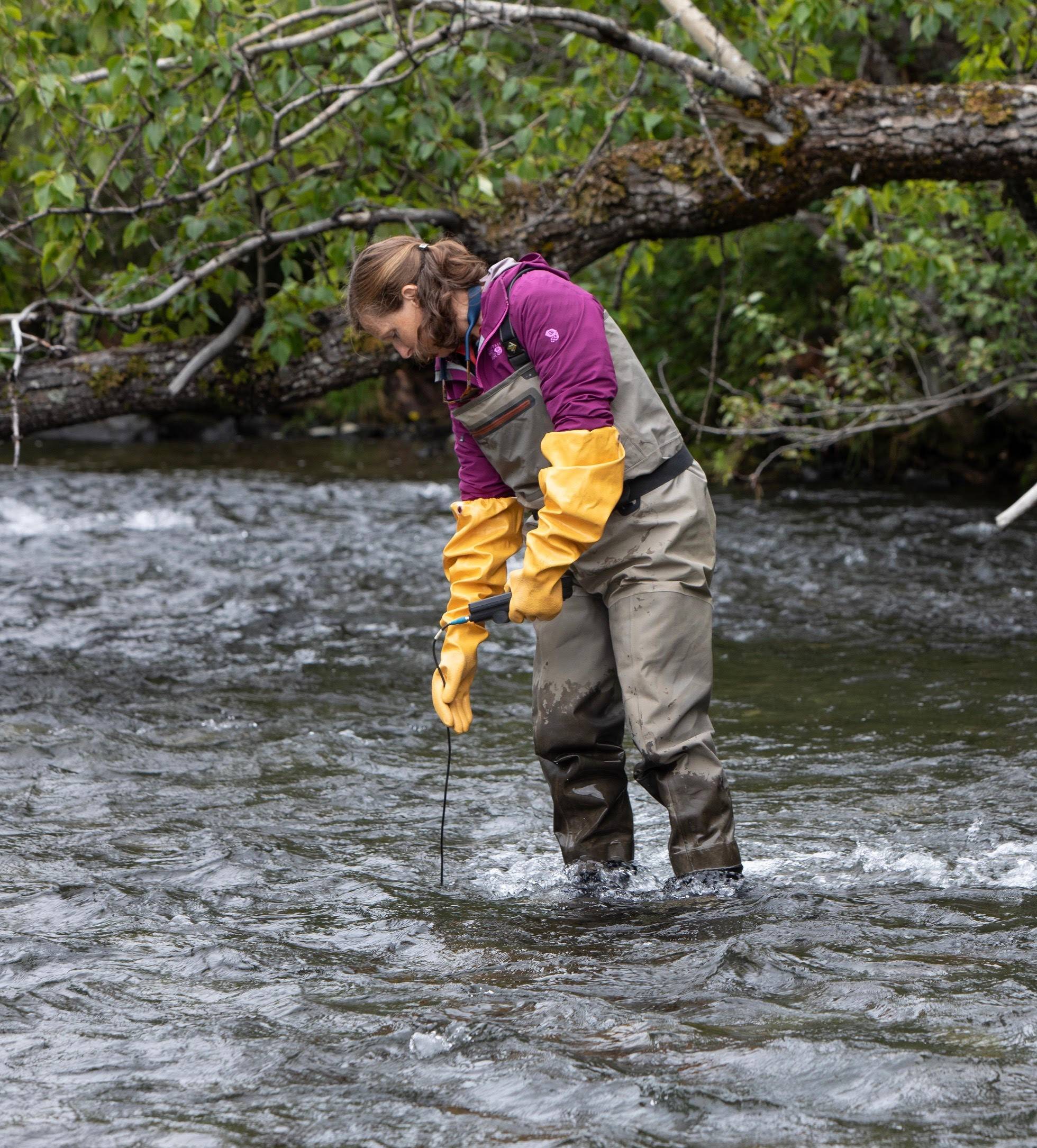
A new study found that the answer to Alaska’s Chinook salmon decline lies not just in the ocean, but also in freshwater rivers and streams — and that climate change’s effects on Alaska’s freshwater systems are affecting king salmon.
“The take-home message is that what happens in freshwater really matters to the strength of our salmon runs in Alaska,” said University of Alaska Fairbanks research scientist Erik Schoen. “In a lot of ways, that’s good news, because we have some control over freshwater conditions in our salmon streams.”
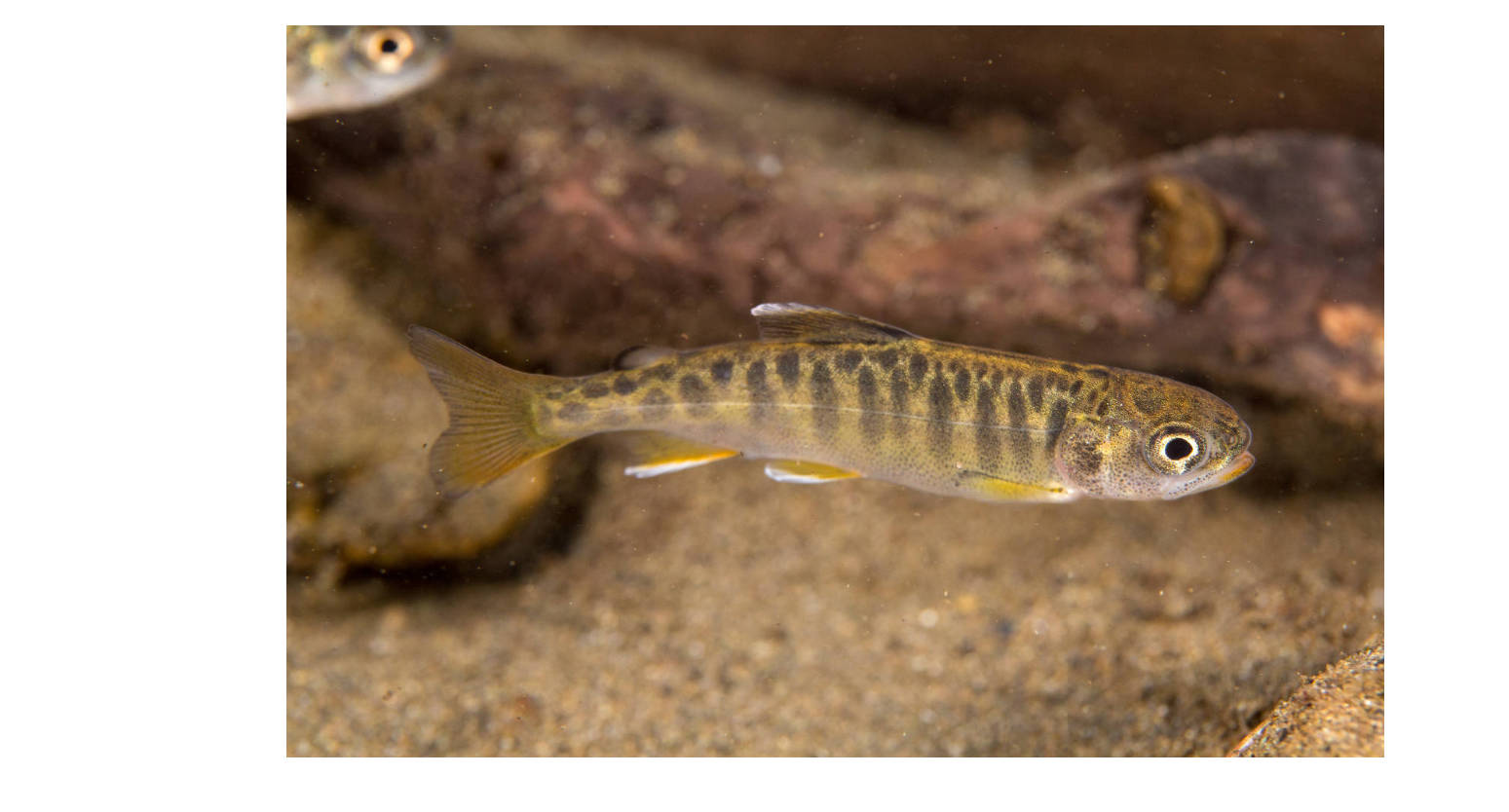
A juvenile Chinook salmon swims in Campbell Creek. (Courtesy Photo | Ryan Hagerty, U.S. Fish and Wildlife Service)
The study, led by the University of Alaska, with data from the Alaska Department of Fish and Game and Cook Inletkeeper and with help from additional authors, focused on 15 Chinook populations in Cook Inlet over a span of almost three decades. It found that above average rainfall in late summer and fall leads to fewer surviving Chinook — the rain moves gravel, which displaces eggs. Those findings may be relevant to other regions, even those, like Southeast Alaska, that are typically rainy in autumn. Since the key is “above average” rainfall, different river systems are adapted and optimized to different conditions, Schoen said.
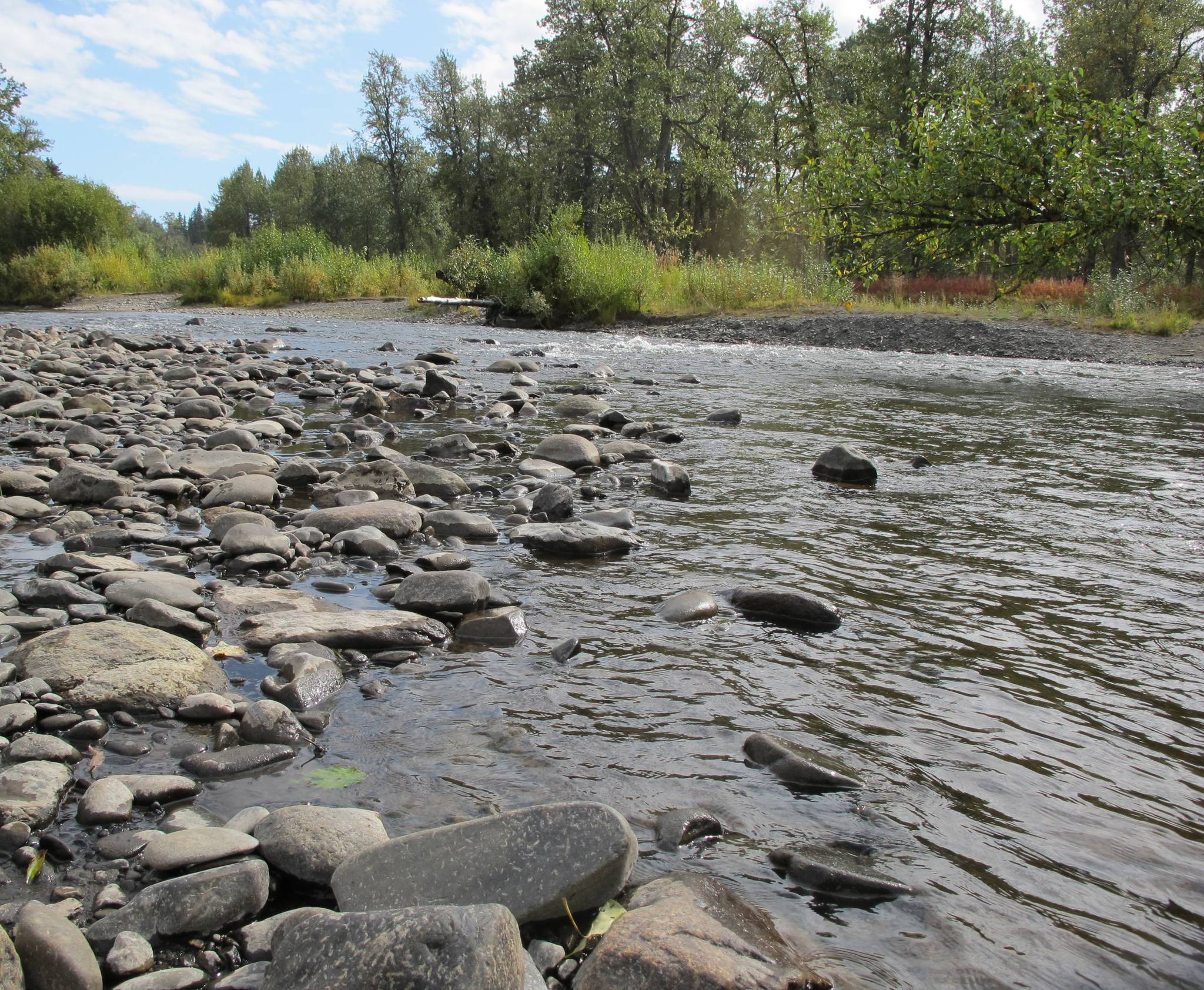
An Anchor River gravel bar is seen at low water in September 2019.(Courtesy Photo | Sue Mauger)
On the positive side, the study also found that higher-than-average summer rainfall during juvenile rearing was good for Chinook.
[How salmon are connecting the nation amid COVID-19]
Water temperatures above 64 degrees Fahrenheit for a week or more in the summer during spawning decreased Chinook productivity. In 2019, a year of record heat for the state, Alaska’s salmon made international headlines when water temperatures in some rivers rose above 80 degrees and thousands of salmon died of heat stroke before they could spawn.
All of these things are happening more as climate change, which is warming Alaska at twice the global average, also changes Alaska’s rain, snowpack and glacial melt — and, accordingly, the flow, timing and temperature of its rivers. Climate change is also increasing “extreme precipitation events” across the state.
Sue Mauger, Cook Inletkeeper’s science and executive director, has seen those effects firsthand. She started collecting temperature data in Cook Inlet streams in 2002. Each successive July surprised her, she said, as the temperatures she collected got warmer and warmer. Then Chinook began to decline, leading to a closure of the sport fishery and, in 2012, a disaster declaration for the commercial fishery. A disaster was also declared for the Yukon and Kuskokwim king salmon fisheries the same year.
This year, with cooler temperatures in Cook Inlet streams, things are looking up: the Mat-Su basin, which has been closed for Chinook sportfishing for many years, is now open. The Deshka River also made its lower escapement goal and, with cooler temperatures during spawning, more of those salmon eggs are likely to survive.
Some potential ways to lessen the effects of climate change and bolster Chinook salmon’s chances, Schoen said, are revegetating river banks and the areas bordering rivers and streams; identifying and preserving cold water habitat; culvert replacement to help mitigate the effect of heavy fall rains; and green infrastructure in urban salmon run areas like Mat-Su or the Kenai.
[Meager chum return worries the fishing industry]
“The patterns we’re seeing in this changing climate help us understand that as land managers, as people living on these landscapes, we want to avoid having an impact that would exacerbate some of these changing conditions,” Mauger said. “For example, we want to make sure we are not constraining the rivers so that when we have fall floods, they’re worse. If summer rains are good because they allow fish to get into side channels, we need to be sure we keep those side channels. This is basically showing us our vulnerabilities and making sure we don’t have an
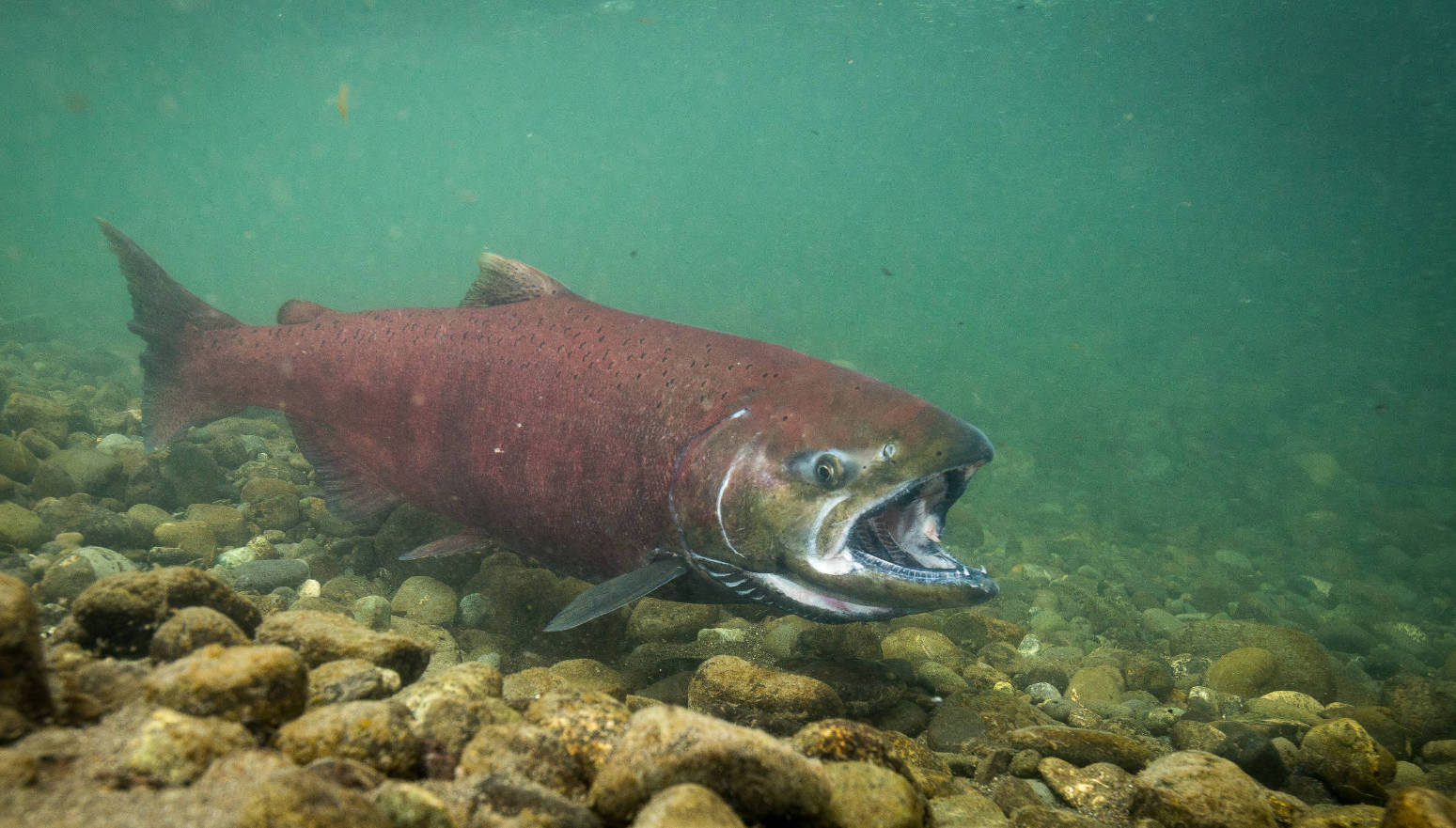
An adult Chinook salmon swims in Ship Creek. (Courtesy Photo | Ryan Hagerty, U.S. Fish and Wildlife Service)
additive negative effect to some of these changing climate effects. And, of course, anything we can do related to keeping streams, particularly warmer streams, as cool as possible will help.”
Ocean conditions are still extremely important to what is happening to Chinook. A next step, Mauger said, will be to start to work with oceanographers, marine biologists and ocean scientists, and to quantify the interaction between climate-driven freshwater and marine habitat changes on Chinook populations.
“This paper is a great example of the value of long-term data sets,” Mauger said. “It’s a culmination of lots of people and lots of little efforts that can get us to a bigger understanding.”
• SalmonState is a free column provided by the namesake organization, which is an advocacy group that works to keep Alaska a place where wild salmon thrive. Mary Catharine Martin is the communications director of SalmonState.
