USDA penalizes Alaska $12 million for overpaying food stamp benefits
Published 9:30 pm Thursday, June 27, 2024
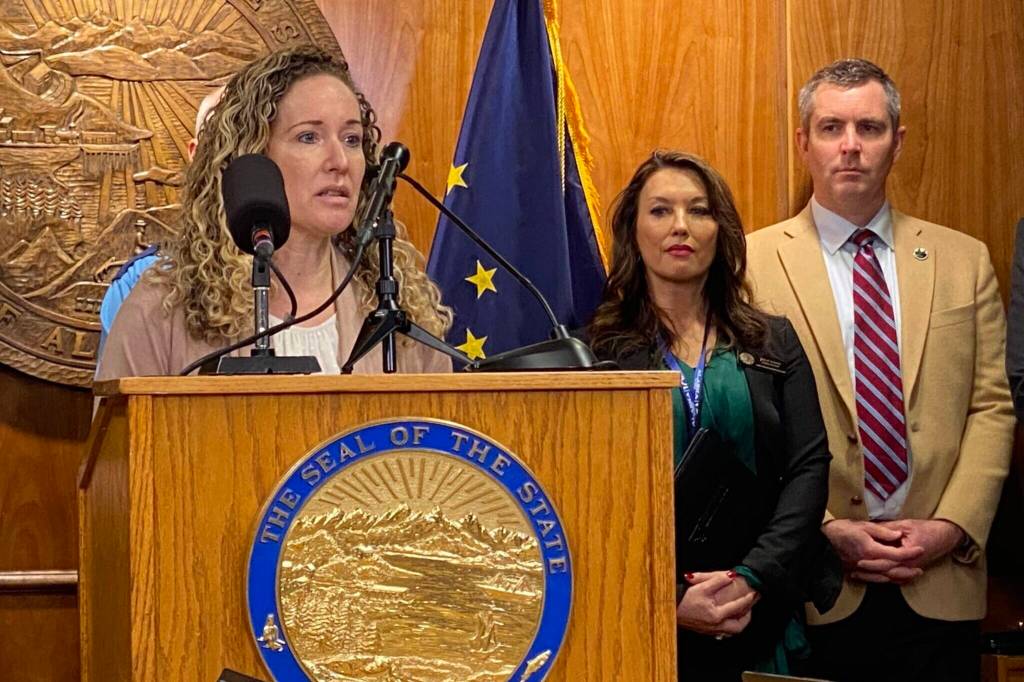
Alaska’s Department of Health owes the federal government $11.9 million because it overpaid food stamp benefits last year, the U.S. Department of Agriculture has informed the state.
In a Friday letter to Department of Health Commissioner Heidi Hedberg, USDA Acting Under Secretary Kumar Chandran said the state’s payment error rate has been too high for too long. Chandran said the state could incur an additional penalty if its overpayment rate remains high for the Supplemental Nutrition Assistance Program.
“Alaska’s proper administration of SNAP is essential to ensuring the Program operates efficiently, effectively, and with integrity,” the letter said.
The issue stems from the state government choosing to extend benefits to Alaskans while it worked through a backlog of food stamp applications, state officials say.
Federal data shows the state’s Division of Public Assistance erred on nearly 60% of applications and overpaid benefits in the fiscal year ending in June 2023. The national average is a 10% error rate.
The error rate does not measure fraud; it indicates if states accurately measure eligibility and payment. The error rate in Alaska has been more than five times higher than the national average since the 2022 fiscal year.
But DPA Director Deb Etheridge said those overpayments were not a mistake. The state chose to extend benefits to Alaskans during parts of the backlog, she said, to keep people from going hungry.
She said state leaders told workers to intentionally bypass parts of the verification process to renew food stamp certifications during the backlog.
But because the state did not have federal permission to extend benefits while they caught up on applications, every renewal they processed that way showed up as an overpayment error.
“When we extended certifications, 100% of those automatically go into error,” she said.
Etheridge said state officials made that choice to get food to Alaskans while they worked to solve the backlog.
State officials asked the federal government for permission to bypass the verifications so they could catch up when the backlog swole to crisis proportions last fall, but were denied. Hedberg told state workers to bypass them anyway and let the federal government know the state planned to break the rules.
“I think the commissioner took a really brave and bold step,” Etheridge said.
The move prompted a letter from federal regulators this winter that said federal funding may be at risk if that practice continued.
“Everybody’s priority was that we get those benefits out to Alaskans. I think you could kind of remember all of the harm that we were trying to reduce,” Etheridge said of state officials at the time.
The Health Department has since come into compliance with federal guidelines, according to Etheridge. Previously, state workers had to recertify whether food stamp beneficiaries remained eligible every six months, but federal officials approved an extended 12-month recertification period.
State officials have three options when it comes to the nearly $12 million penalty, according to the letter. They may pay the amount in full, appeal the federal government’s analysis or take a rehabilitative approach that would allow them to spend half of the liability amount on upgrades to the state system that manage the program and only have to repay the other half if they continue to have overpayments in the 2024 fiscal year. Etheridge said Health Department officials are in talks with the state’s Department of Law to consider appeal options, but they may also opt for the 50-50 approach.
The USDA letter stressed that federal officials must ensure the food aid program “operates effectively and efficiently and that eligible participants receive accurate and timely benefits.”
Alaska Health Department employees have worked through the major backlog for food aid, though Etheridge said she still manages the program closely.
Etheridge said the effects of the state’s decision to extend benefits will likely linger in its error rate into this fall.
Etheridge took over the division in the middle of the backlog and said she was prepared for a fix to take time.
“What we do today will show up in a few years from now,” she said, adding that she is comfortable working through difficult problems. “I just keep my eye on the future,” she said.
• Claire Stremple is a reporter based in Juneau who got her start in public radio at KHNS in Haines, and then on the health and environment beat at KTOO in Juneau. This article originally appeared online at alaskabeacon.com. Alaska Beacon, an affiliate of States Newsroom, is an independent, nonpartisan news organization focused on connecting Alaskans to their state government.