
BOISE, Idaho
The Columbia-Snake River Irrigators Association wants the government to convene a Cabinet-level committee with the power to allow exemptions to the Endangered Species Act. Known as the “God squad” because its decisions can lead to extinctions of threatened wildlife, it has only gathered three times — the last 25 years ago during a controversy over spotted owl habitat in the Northwest.
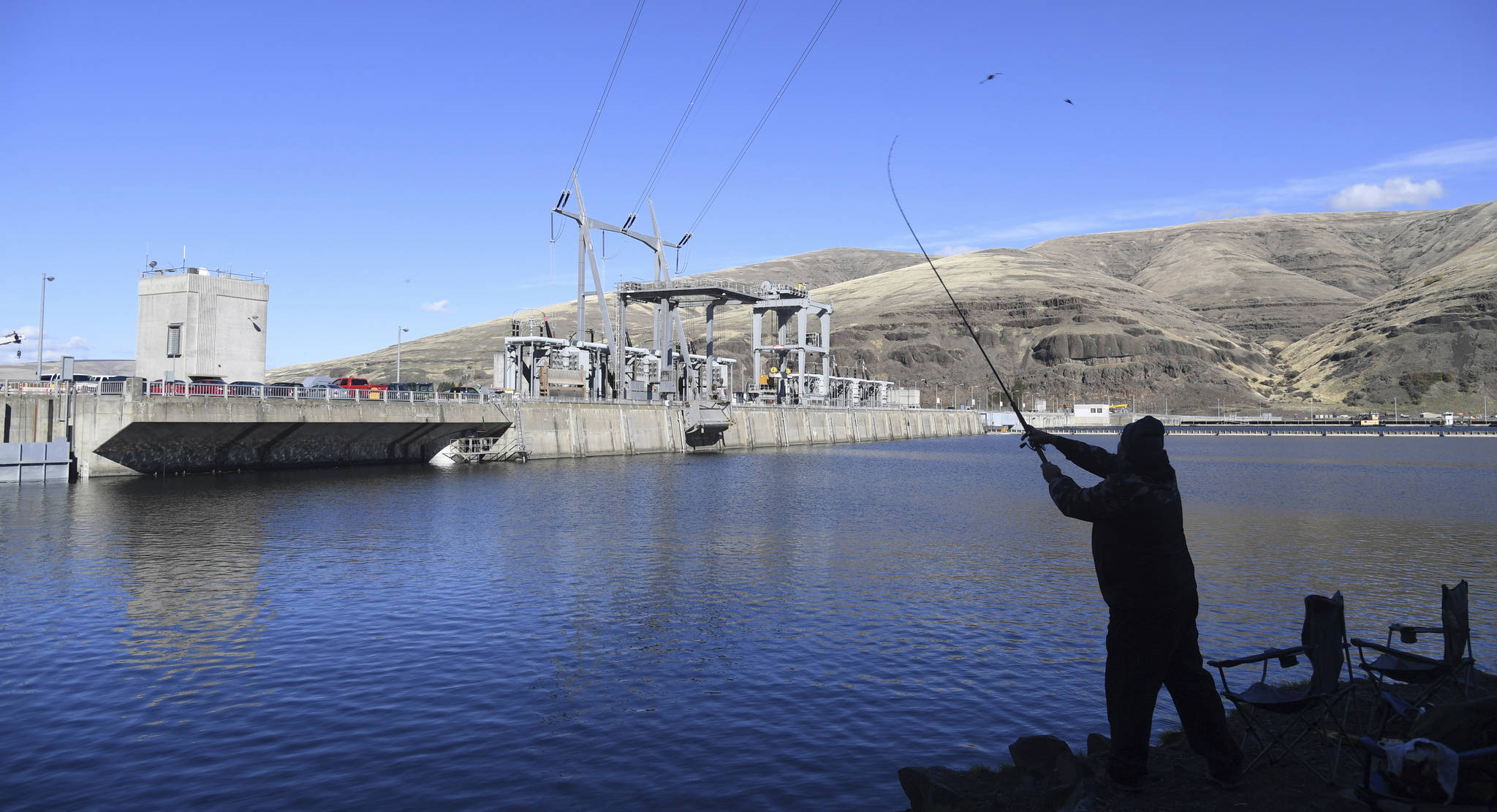
The irrigators association is frustrated with court rulings it says favor fish over people, claiming the committee could end years of legal challenges over U.S. dams on the Columbia and Snake rivers and bring stability for irrigators, power generators and other businesses that rely on the water.
Environmental groups call the request a publicity stunt and say it could hurt fishing companies and others that rely on healthy runs of federally protected salmon and steelhead.
The association sees hope in a series of pro-industry environmental decisions by President Donald Trump. His administration has rescinded an Obama-era rule that would shield many small streams and other bodies of water from pollution and development, enacted policies to increase coal mining on federal lands and proposed giving Western states greater flexibility to allow development in habitat of sage grouse, a threatened bird.
Darryll Olsen, association board representative, said the irrigators requested the committee during former President Barack Obama’s tenure but got nowhere. He said the Trump administration has been encouraging during talks, leading to a formal request last month for a meeting with Interior Secretary Ryan Zinke.
“What we’re asking for is that the secretary give direction to the (Interior) Department to work with us to review the steps for implementing the God squad,” Olsen said.
Zinke can gather the committee, which he would chair and would include other natural resource agencies, such as the Environmental Protection Agency. It also would include representatives from Washington state, Oregon, Idaho and Montana.
If five of the federal committee members agree, they could exempt U.S. agencies from Endangered Species Act requirements for one or more of the thirteen species of salmon and steelhead listed since the early 1990s.
The irrigators group, which has 120 members growing food crops in Washington state and Oregon, expects to meet with Zinke soon, Olsen said.
Interior spokeswoman Heather Swift said in an email that the agency could not comment on a committee that had not been formed and that she had no information about Zinke’s meetings.
Joseph Bogaard, executive director of a coalition of conservation, commercial, sport fishing and business groups called Save Our Wild Salmon, blasted the irrigation association’s request.
“It’s a terrible idea that will deliver great harm to the people and businesses of the Pacific Northwest,” said Bogaard, whose coalition relies on the fish to produce millions of dollars of revenue.
A federal judge ruled last year that the government had not done enough to improve salmon runs despite spending billions of dollars and urged it to consider removing four dams on the lower Snake River.
Todd True, a lawyer with the environmental law firm Earthjustice who represented some plaintiffs in that 2016 ruling, said the God squad request should go nowhere.
“There isn’t any basis to convene the committee because there are reasonable alternatives to save the fish,” he said, pointing to the dam removal option. “Their removal would be a big step forward.”
This year, fish counts at dams on the Columbia and Snake rivers have been well below the 10-year average, which biologists blame on droughts in 2014 and 2015 and warming ocean conditions.
Various results have emerged the three times the God squad has convened. It refused to grant an exemption for a Tennessee dam in the 1970s over a fish called the snail darter. Regarding crane protection in the Midwest, a settlement was reached before the panel offered a decision.
In 1992, it voted to sidestep protections for the northern spotted owl and allow the Interior Department to sell timber on land in Oregon.
