
Semester grades are in and students have moved on — some to jobs and post-graduate adventures, others to summer internships or seasonal employment — so campus is a bit quieter. Before going off contract, faculty at University of Alaska Southeast work on annual reports, tend to writing projects and catch up on the latest developments in our fields. Many of us will travel to conferences to jumpstart our summer intellectual work. Next week I’m headed to a literature and environment conference — a heady week of listening to others present environmental humanities research, and an opportunity to discuss my efforts to enhance student learning at UAS by engaging with our greatest asset: our backyard. Sharing lessons from taking students to backcountry cabins and on weeklong trips to the Tongass, I’ll argue these excursions amplify and complicate course-long arguments about how stories shape our experiences.
When I get back from the conference, I’ll turn directly to enjoying our longer days, the radical seasonal influx of humans and non-humans making it the most exciting time to be outside in the forest or on the water in Southeast Alaska. I’ve already been getting out from behind my computer (at tidally determined intervals) to connect with the dolly varden swarming near-by creek mouths gorging themselves on out-migrating salmon fry. Like the scores of tourists disembarking from the big ships, the humpbacks and arctic terns similarly seem happy to have returned to our abundant temperate rainforest.
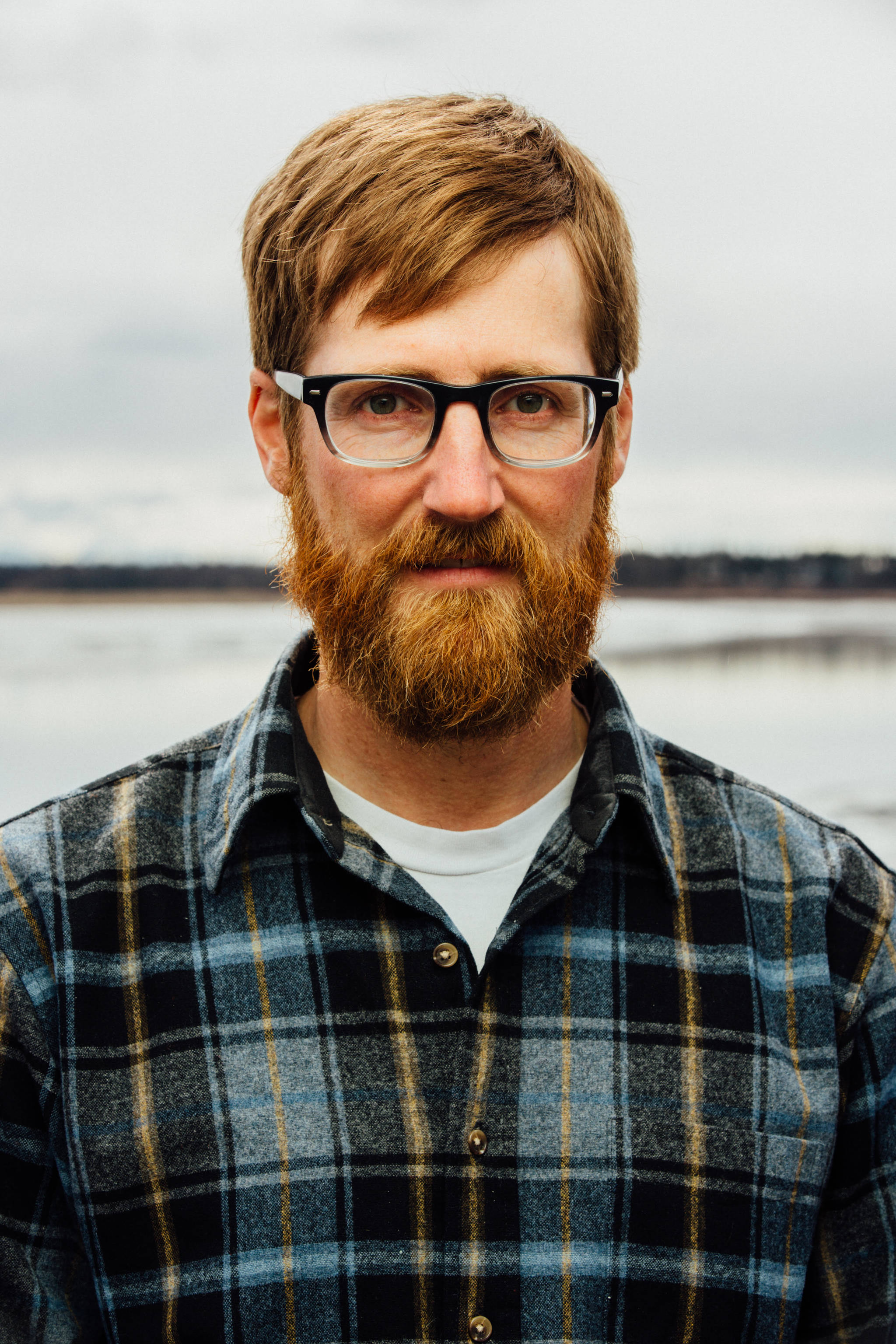
Kevin Maier
Summer’s longer days also mean that we have more time to read, so I’m restocking my bookshelves along with my fly boxes. Over the last few weeks, newspapers have published lists of thrillers, travel tales and historical fiction to help us navigate what’s new. Flush with page-turners, these lists catalog titles fit for backpack trips or long flights. I’ll be sure to read a few of these, but my nightstand is piled high with books about climate change. David Wallace-Wells’ “The Uninhabitable Earth” sits on Lauren Oakes’ lyrical account of climate impacts on our yellow cedar, “In Search of the Canary Tree,” both of which are balanced on a splayed-open copy of Jamail Dahr’s “The End of Ice,” itself a roof atop a dozen similarly themed tomes.
Precariously stacked piles of books represent an occupational hazard I’m happy to endure, but in this case, the risks are more than physical. Important preparation for my two fall-semester, climate-themed classes, these anxiety-producing slogs through bleaching coral reefs, vanishing glaciers and flooded futures are not exactly breezy beach-reads.
It’s heavy stuff, best taken in small doses.
When it gets to be too much, I find the antidote lies in getting outside. Wading a salmon stream in early June and seeing the abundant fry darting around or testing my legs on a long ridge hike into the ephemeral summer mists usually restores my sense of hope. Anymore, though, even these life-affirming excursions aren’t enough, each experience haunted by the specter of rapidly changing climate. I’m left with a sense that I must do something, but what?
Fortunately, our historical moment presents no shortage of worthy things to do. For starters, we should all engage with online carbon calculators, carefully weighing our daily choices. When the calculus of these consumer-choice matrices is unsatisfying, I turn, again, to our collective backyard, finding ways to insure future generations can have experiences I find so enriching.
Perhaps most immediately, then, I plan to weigh in on the proposed changes to how the Forest Service makes decisions about the Tongass. Alaska has asked for an exemption from the 2001 Roadless Rule, and we will soon have an opportunity to comment on the environmental impact of what seems to me to be a last-ditch effort to prop up the dying old-growth logging industry. I’ll note in my comments that in addition to providing refuge for outdoor-minded Alaskans and visitors, my colleagues in the sciences remind me that intact old-growth forests offer important carbon stores, too.
Calculating carbon footprints or engaging in local citizen activism won’t solve this wicked problem overnight, but my summer reading has convinced me that business-as-usual approaches will only accelerate the crisis. And if nothing else, these small steps will help me feel better about escaping my writing projects to fish tonight’s evening low tide.
• Dr. Kevin Maier is an Associate Professor of English at the University of Alaska Southeast, where he teaches a range of environmentally-focused courses. In addition to serving as the chair of the Humanities Department, Dr. Maier is a member of the UAS Sustainability Committee. “Sustainable Alaska” is a monthly column, appearing on the first Friday of every month. It’s written by UAS Sustainability Committee members who want to promote sustainability. The views expressed here do not necessarily represent the views of the University of Alaska Southeast.
