
The state’s backlog of food stamp applications is again at a crisis level due to a “perfect storm” of problems in recent weeks, affecting more than 12,000 people in a program with 92,000 enrollees, according to state health officials.
The current backlog, first reported by the Anchorage Daily News on Sunday, affects people trying to apply for or renew Supplemental Nutrition Assistance Program (SNAP) benefits. The current backlog comes after the state spent most of the past 15 months dealing with a backlog of up to 14,000 applicants that officials attributed to a multitude of factors.
[Alaska faces new backlog in processing food stamp benefits after clearing older applications]
Deb Etheridge, director of the Alaska Division of Public Assistance, told the ADN on Friday a steady increase in the backlog has occurred during the past six weeks due to weather-related office closures, technology glitches and a reinstated interview requirement.
Furthermore, she said the division would need to immediately hire about 200 more staff members to its existing 400-person staff to get through the division’s entire backlog in a month, but as of now cannot state how long the situation might take to resolve or how long people might go without benefits.
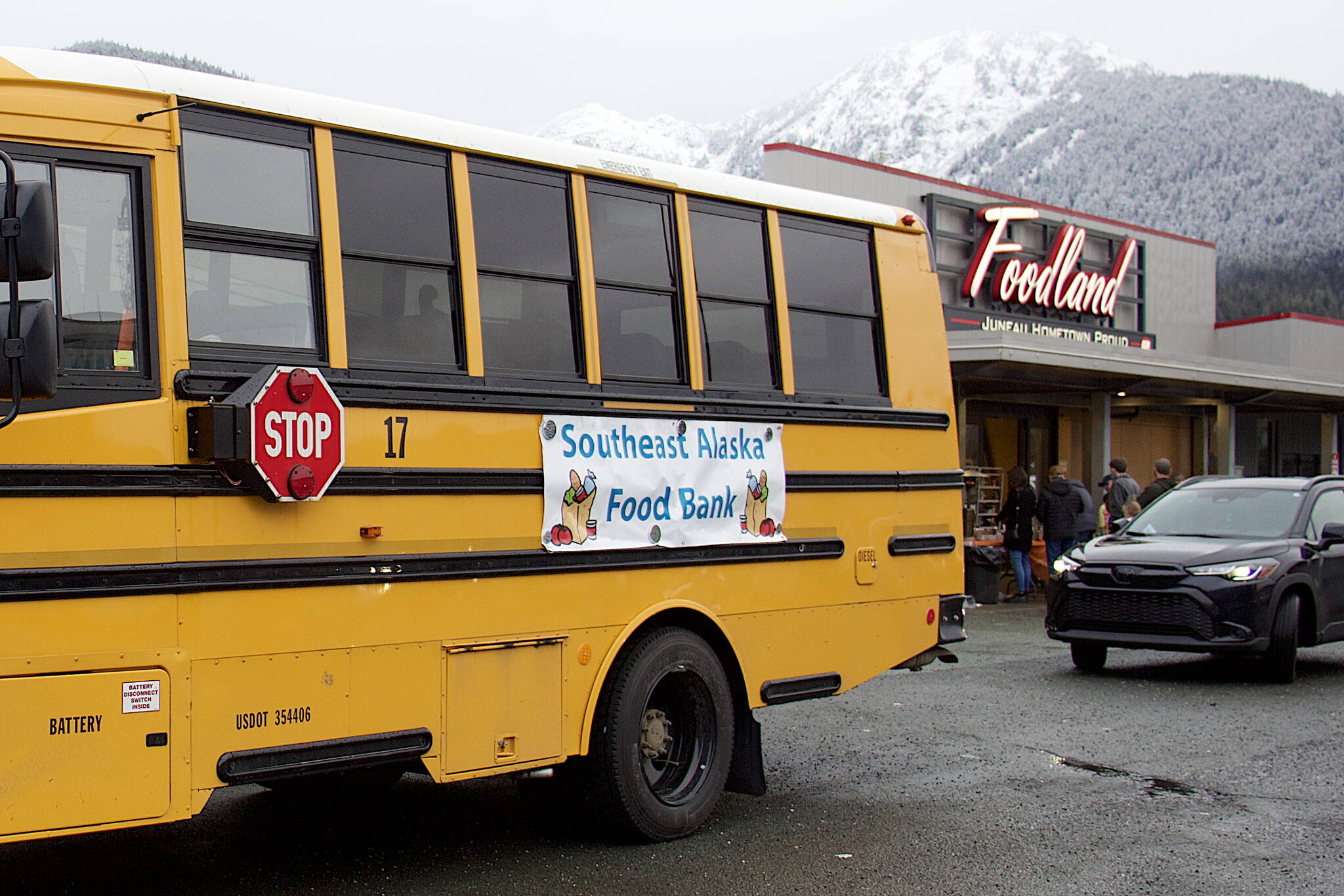
Practically speaking, that means people who’ve been relying on food banks and other assistance besides SNAP are continuing to do so in high numbers.
A year ago an average of about 50 to 60 people picking up food for a total of 150 to 200 people visited a weekly food pantry operated by Resurrection Lutheran Church, said Brad Perkins, who helps oversee the program, in an interview Monday. But he said an increase in demand has been going on all year and “last week we were above 70 people picking up for over 300.”
“We just get more and more people coming in looking for a way to supplement their income,” he said. “We certainly still have our usual people that are homeless and in need of food. But we also have more and more people that are working that just cannot afford to use up their income to buy food.”
Shirley Sakaye, a spokesperson for the Alaska Department of Health — which oversees the public assistance division — stated in an email Monday the existing backlog, involving applications dating back to July, is “multi-layered and complex, but not without solutions.”
An online SNAP application that automates some processes is scheduled to debut at the end of the month, which will reduce staff time and tasks, she wrote. Other online forms for assistance are also scheduled in the future.
As for the current staff shortages, “we hope to have a more clear picture of an estimated amount of time it will take for DPA to process the outstanding backlog as we continue to recruit, hire and train staff,” Sakaye wrote.
“We also continue to open DPA offices for same-day, in-person service and have assigned cases to senior leadership to physically work,” she wrote. “Normally, this work wouldn’t be part of their day-to-day duties. We also continue to reach out to former Eligibility Technicians and rehire them temporarily to support this tremendous effort. All of these strategies together have had positive impact in this last week.”
Some eligible SNAP recipients reported going up to 10 months without benefits after the original backlog began in August of 2022, which officials reported catching up with this September. Among the reasons cited for the original backlog were staffing shortages, obsolete computer equipment and a cyberhacking incident with lasting residual effects.
Other programs within the public assistance division —including Medicaid and senior benefits — also experienced backlogs during that period.
The initial backlog resulted in a class-action lawsuit, as well as a formal warning from the federal government, since applications for benefits are required to be processed within 30 days.
Among the measures taken to address the issue was an $8.4 million emergency supplemental budget, including about $3.1 million to hire about 30 employees to help with the SNAP backlog, passed by the Alaska State Legislature in March.
But the division in April also had to begin a year-long eligibility review of the 260,000 residents — about one in three in Alaska — enrolled in Medicaid. In October the federal government also revived an an interview requirement for everyone applying for or renewing SNAP benefits, which Etheridge unsuccessfully sought a continuing waiver for and was cited by her as a contributor to the resulting food stamp application backlog.
Sakaye stated that currently “only 5 percent of SNAP cases are stand alone, meaning that most other programs administered by DPA are negatively affected by the backlog,” although Medicaid is something of an exception.
“We are a ‘determination state’ so a person can apply through the Federally Facilitated Marketplace (healthcare.gov) and know right away if they are eligible for Medicaid,” she wrote. “All recertifications are being managed by a specialized team. Until a determination is made, Medicaid coverage will continue, since eligibility is extended until we can make a determination.”
• Contact Mark Sabbatini at mark.sabbatini@juneauempire.com or (907) 957-2306.
