SEARHC raises mimimum base pay for ‘direct-hire’ employees to $25 an hour
Published 9:30 pm Thursday, February 8, 2024
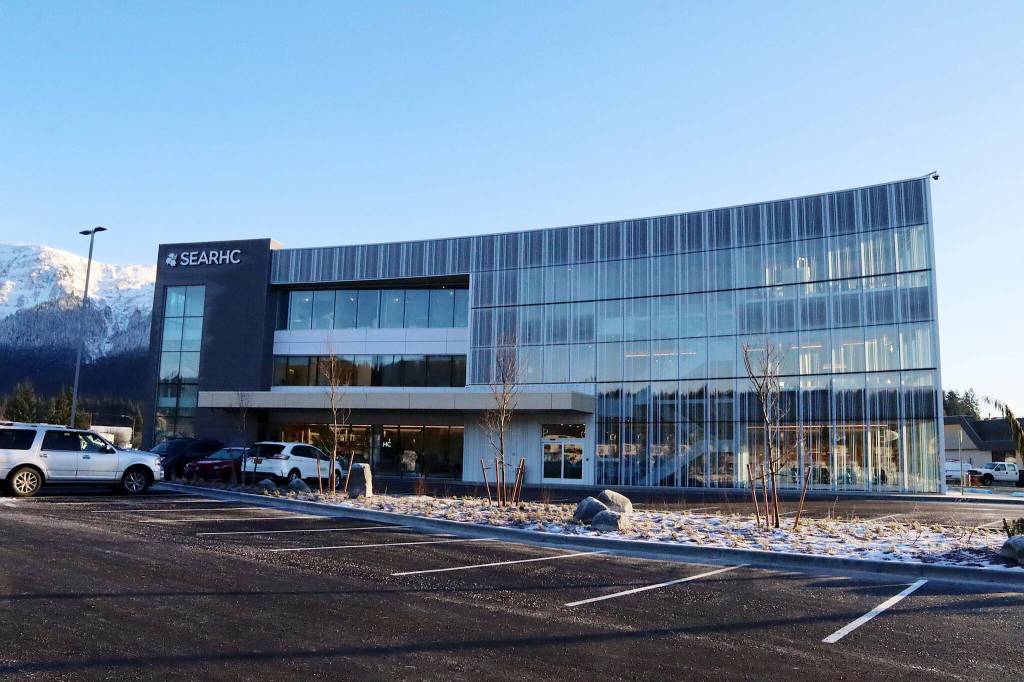
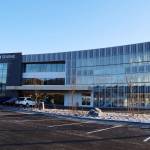
A minimum wage of $25 an hour for “direct-hire” employees is being implemented by the SouthEast Alaska Regional Health Consortium (SEARHC), the Native-run healthcare organization announced Wednesday.
The change applies to about 85% of SEARHC’s total workforce and will result in pay increases for about 16% of the organization’s employees, said Kathryn Sweyer, a SEARHC spokesperson, in an interview Thursday. She said various assistant positions, clerks, technicians and attendants are among the employees who were below the $25 level.
The $25 an hour minimum wage was determined based on both statistical analysis and discussions with employees, she said.
“We considered the market dynamics, including cost of living for Southeast Alaska, as well as insight and feedback from existing employees,” Sweyer said.
The new hourly minimum wage equals $52,000 a year for an employee working 40 hours a week. The average private sector salary in Juneau in 2022 was $57,888 and the average salary for government jobs $69,696, according to the 2023 “Economic Indicators and Outlook” report published by the Juneau Economic Development Council.
The new wages at SEARHC are higher than the minimum hourly wage of $19.39 an hour at Bartlett Regional Hospital, according to Erin Hardin, a spokesperson for the hospital. In an email, she noted the minimum pay is “for positions that require no prior experience and serve as an entry point to a career with the hospital.”
“Examples of positions include Food Service Assistants, Home Attendants, Laundry Technicians, and Environmental Service Technicians,” she wrote.
Also, Hardin emphasized the benefits package offered by Bartlett, which is owned by the City and Borough of Juneau.
“Bartlett recognizes an employee’s compensation is one important piece of their overall benefits, and our commitment to investing in our employees’ overall health and financial wellness is reflected in our competitive benefits package,” she wrote. “A few highlights we believe set us apart include no-cost health insurance plan options and a generous paid time off accrual schedule, including a 750-hour annual cap with cash out options.”
SEARHC, in a prepared statement announcing the wage increase, noted it is also including benefits as part of its tracking of industry norms.
“SEARHC continues to monitor and will adjust compensation accordingly to align with the shifting healthcare market and industry benchmarks,” the statement notes. “Additionally, the organization offers a robust benefits package that aligns with SEARHC’s mission and values, emphasizing our commitment to providing the best healthcare and promoting a healthy balance of mind, body and spirit.”
Healthcare industry wages have been a concern both nationally and locally, especially since the COVID-19 pandemic when high demand and low availability of workers meant paying high salaries for traveling nurses and other professionals. Leaders at Bartlett have cited such costs as particularly troublesome, especially when combined with a difficulty in recruiting staff due to Juneau’s remote location.
The healthcare industry is expected to be among the fastest-growing in Southeast Alaska during 2024, according to a report presented this week during the Southeast Conference Mid-Session Summit. An update to the annual “Southeast Alaska by the Numbers,” published by Rain Coast Data, states an additional 200 jobs in the region are expected. The region’s 3,540 public and private healthcare workers comprised 10% of the regional workforce and 10% of all wages in 2022, according to the report.
“There are too few Alaska healthcare workers to fill the current demand for services in Alaska, and job vacancies in the industry are increasing,” the report notes. “Southeast Alaska medical facilities must compete statewide and nationally for high demand healthcare workers. In 2022, the region added just 32 healthcare jobs, despite growing demand for services. Southeast Alaska providers have repeatedly adjusted wages up to remain competitive in attracting and retaining workers, resulting in significant overall wage increases.”
Total wages have risen 55% between 2014 and 2022, but inconsistently year-by-year, according to the Rain Coast Data report. The yearly increases beginning in 2017 were 12%, 9%, 5%, 3%, 0.4% and 9%. The figure represent total wages paid, and thus not necessarily the average increase in pay for employees.
The JEDC report notes “Juneau’s health care employment has generally risen and fallen with Juneau’s population.”
“As Juneau’s and Southeast Alaska’s populations continue to age, it is expected that demand for health care will rise,” the report adds.
• Contact Mark Sabbatini at mark.sabbatini@juneauempire.com or (907) 957-2306.