SEACC entangled in union dispute
Published 10:30 pm Monday, January 2, 2023
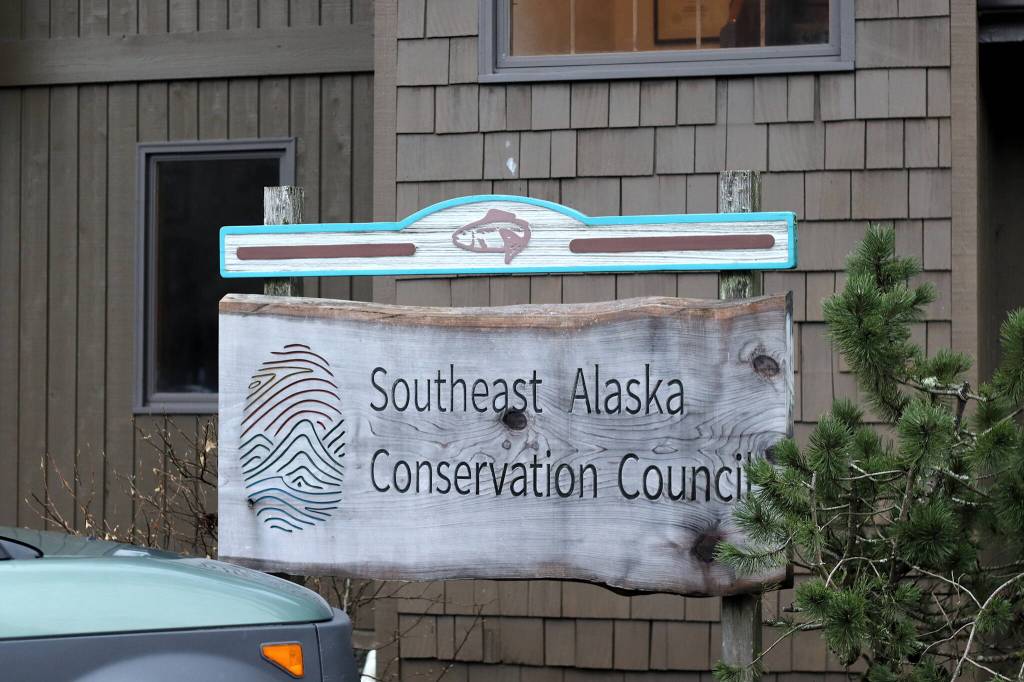
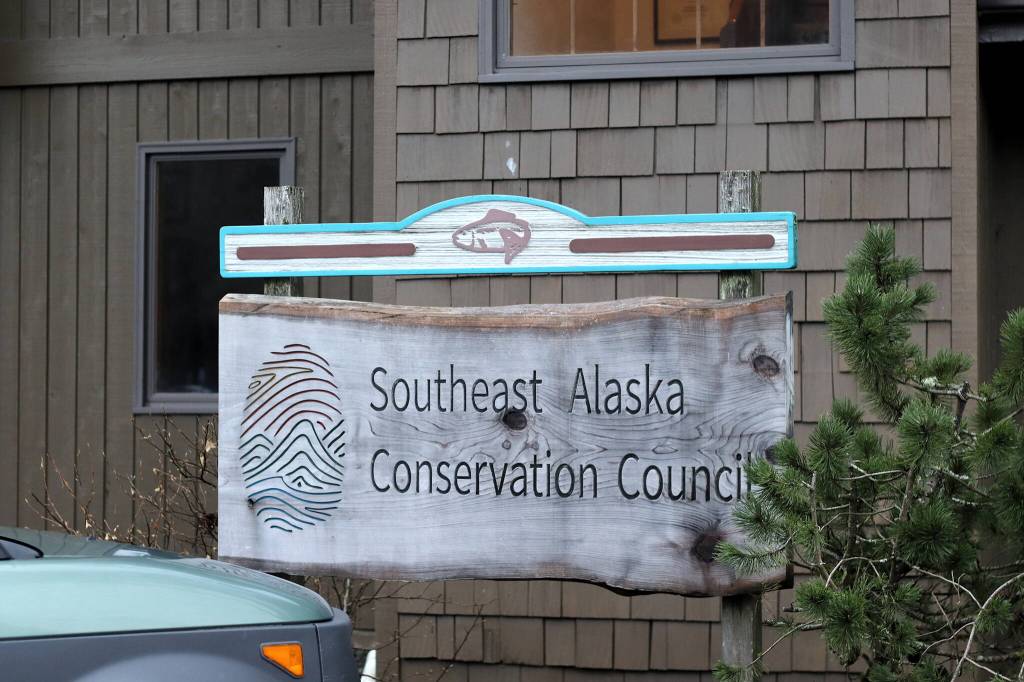


Non-management employees seeking union status at the Southeast Alaska Conservation Council are petitioning the National Labor Relations Board, arguing a vote in December to unionize is not being recognized by the nonprofit conservation organization.
But SEACC management states they don’t know what changes employees are seeking in terms of pay, benefits, job security or other workplace conditions, and employees say they won’t discuss details until union status is achieved.
“That’s the $20 million question and I’m not allowed to ask that, according to the National Labor Relations Board,” Meredith Trainor, SEACC’s executive director, said Tuesday.
The petition was filed by four of the six non-management employees voting Dec. 9 to form SEACC United, in affiliation with the Communications Workers of America (which in turn in affiliated with the AFL-CIO). A request by the new union for volunteer recognition by SEACC failed, resulting in the NLRB petition Dec. 19 that is scheduled to get an initial hearing Jan. 10.
“We want a voice, we want dignity, we want some control in our working conditions,” said Shannon Donahue, SEACC’s upper Lynn Canal organizer and an employee for the organization for nearly five years. When asked in what way those circumstances don’t exist for employees now she replied “each of us has our own reasons.”
The only specific grievances expressed publicly have been by Guy Archibald, a former SEACC employee for 11 years, who in an opinion piece published Dec. 28 in the Juneau Empire wrote that when Trainor became executive director in 2016 “I lost all voice in how I was to do my job, was belittled for being a ’Boomer,’ successes went unacknowledged, ideas and suggestions based on decades of experience were ignored and any dissenting opinions were dealt with harshly, including threats to my continued employment.”
Natalie Watson, chair of SEACC’s board of directors, wrote in a Dec. 30 response published by the Empire to Archibald’s column “the issues raised by the former employee are almost all unrelated to the question of union representation.
“Instead they are largely personal complaints, and many of them support our assertion that SEACC is now more closely and effectively managed than it was before our current director arrived,” Watson wrote.
Trainor, who said she wasn’t aware of the collective discontent among the petitioning employees until the unionization vote was announced, stated she disputes Archibald’s accusations and has an “open door” management policy, She said that as with any workplace SEACC goes through better and lesser moments between staff. She said there has always been a lot of turnover, which she also said isn’t unusual for such organizations, and efforts have been made recently to increase salary and benefits in an effort to retain employees longer.
Base compensation for new employees is 95% of the industry average “for nonprofits meeting same job description in the state of Alaska,” Trainor said. SEACC also upgraded benefits including higher contributions to retirement plans, automatic cost-of-living wage increases, and a paid holiday period between Christmas and New Year’s Day when the office is closed.
“It’s cost a ton of money and time over the past few weeks to focus on this issue,” she added.
Donahue, when asked if the description of current pay and benefits is accurate, said she can’t answer because she doesn’t know the salary of her co-workers. But she emphasized the general goal of unionization goes beyond specific compensation demands — rather the objective is securing the right to negotiate those through the collective bargaining process.
“It’s not just about the current employees,” she said. “Unionizing helps the future employees and their circumstances are going to be different.”
SEACC’s failure to voluntarily recognize to the unionizing vote is an indicator of why the situation between management and employees is problematic, Donahue said. SEACC United, in news releases issued since its formation, also denounced SEACC retaining the law firm Littler Mendelson P.C. which, among other cases, has represented Starbucks in efforts opposing the formation of unions.
Trainor said the hiring of a Littler Mendelson attorney working in the firm’s Anchorage office is because it’s the largest labor and employment law firm in the U.S., and the expertise is essential since the process involved with an NLRB dispute is new to SEACC management.
“We support the legal right of any employee to seek union representation and want to make sure all our qualified employees have the ability to participate in the process,” Watson wrote in her response to the dispute. “We will stand by the results.”
The newness of the experience is one area Trainor and Donahue agree about. Another is continuing the day-to-day work during the dispute means there’s some underlying tension, but generally it’s not disrupting the organization’s conservation efforts.
“We’re here to protect Southeast Alaska and its communities, and that hasn’t changed in any way,” Donahue said.
• Contact reporter Mark Sabbatini at mark.sabbatini@juneauempire.com.