
By Vivian Mork Yéilk’
For the Capital City Weekly
Autumn visits like an old friend every year. The crisp cold air brushes my face as I breathe in the earthy decay of leaves that tell us winter is getting closer. I stretch to reach the next handful of bright red berries. The distinct scent of high bush cranberry leaves overpower the scent of the cottonwood and alder. This year I harvest them only with my partner. Everything else we have harvested with others in small groups and with a distance between us. I miss harvesting with my friends and family around Alaska.
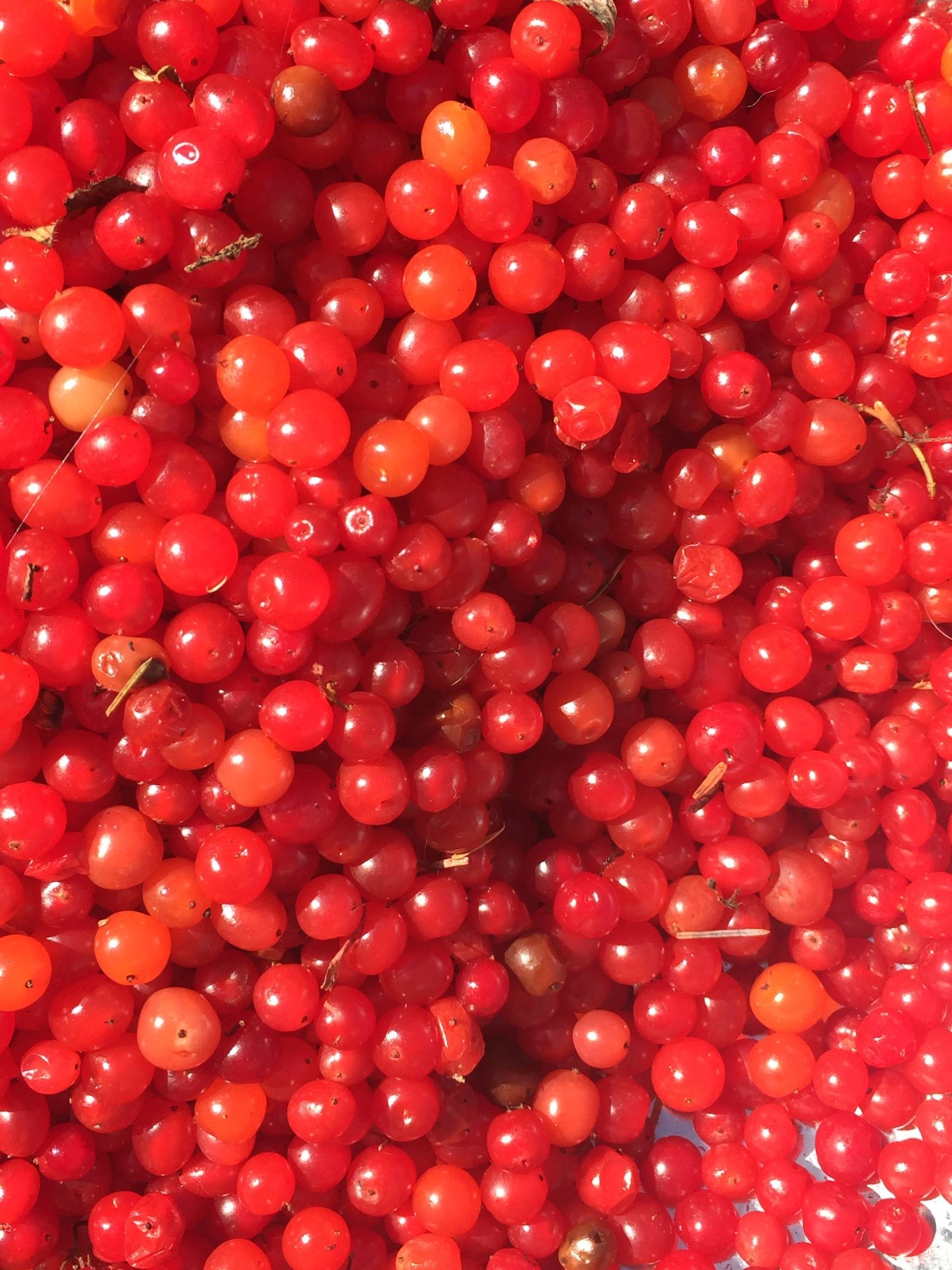
This photo shows high bush cranberries. (Courtesy Photo / Vivian Mork Yéilk’)
For many Alaska Native people we have not been able to harvest together this season the way we normally do. It is often a time of togetherness where we laugh, talk story, sing and share food. We gather, harvest and prepare for the winter. Not being able to gather sits heavy with many of us. So many things we mourn this year.
We have always adapted here for thousands of years. We are no strangers to pandemics. What is unique about this pandemic is the amount of technology we have to bring people together. I have spent the summer using a portable speaker to teach small groups. I’ve shared traditional stories while harvesting near the Mendenhall River via Zoom. I’ve taught how to harvest plants one-on-one via Facebook video chat with a friend in Hoonah while I was in Juneau.
[Planet Alaska: Harvesting devil’s club is a big responsibility]
Most recently, I attended the Southeast Alaska Traditional Plants Summit and Celebration via Zoom. Originally we had planned to have the summit in person, but like so many others we had to reorganize. We chose to bring people together via Zoom this year. Alaska Plants as Food and Medicine Symposiums have been happening around Alaska since 2012 through partnerships with ANTHC, SEARHC, Southcentral Foundation and more.
“The people who came together to start the traditional plant knowledge revitalization revolution continually work to nurture and advance community healing together for the benefit of today and future generations,” said Meda Dewitt, one of the original founders of the Plant Symposiums.
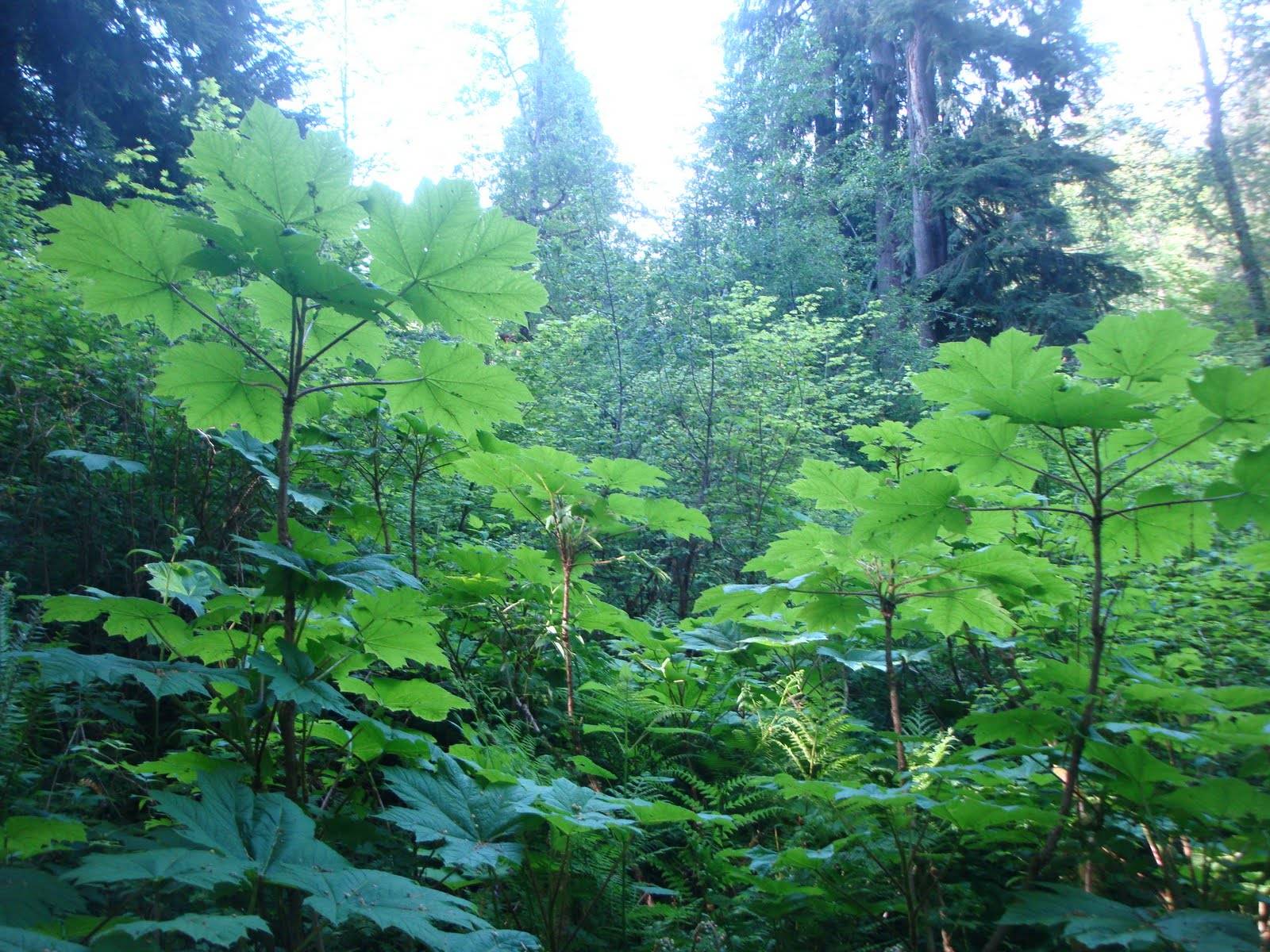
This photo shows devil’s club. (Courtesy Photo / Vivian Mork Yéilk’)
This year’s Plant Summit for Southeast Alaska via Zoom is a sprouting seed from the Food and Medicine Symposiums.
“The summit is about fostering a sense of respect and connection to the land and to the ancestors,” said Jennifer Nu, one of the organizers of the event. “The why and how comes before the what. Why are traditional plants important? How can we be respectful of the plants and of each other? When we answer these questions, we can then figure out ways we can work together to address the concerns and challenges people face in their communities. There are so many people working on the solutions — why not bring everyone together somehow?”
The indigenous peoples of Southeast Alaska— the Tlingit, Haida and Tsimshian cultures — are the guardians, practitioners, and teachers of how to harvest, how to preserve, how to celebrate and distribute foods and how to live a good life. There is so much richness here. As one of the organizers, I wanted a way for people to recognize and celebrate the cultural and ecological treasures of Southeast Alaska and also come together in protecting it. We live in a complex world that needs healing and repair, regardless of where a person’s ancestors come from. The good news is that we all can play a role in this. Food and culture bring people together. Plants are especially important — hey are rooted in place, yet they are remarkable in what they can offer.
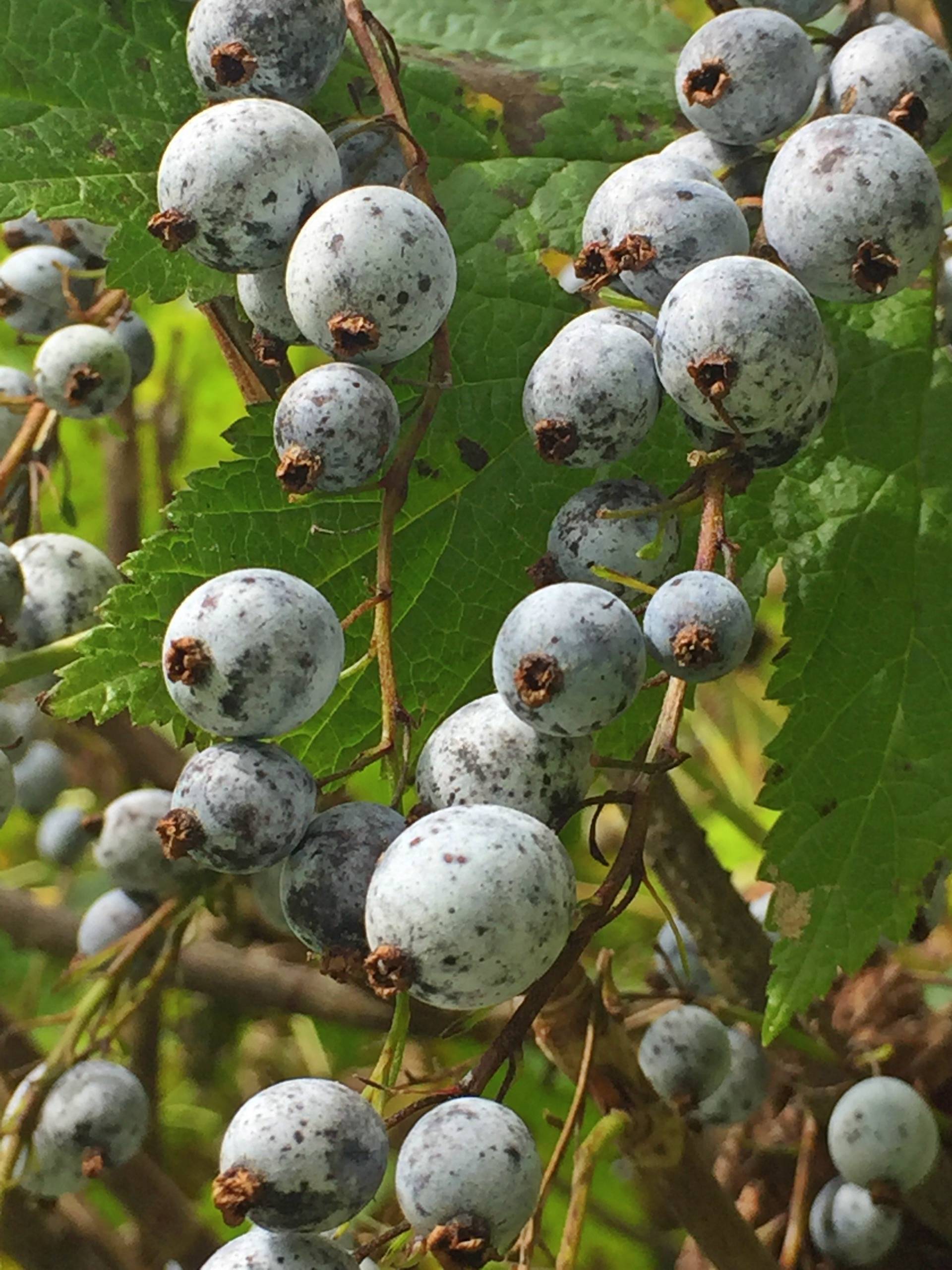
This photo shows gray currants. (Courtesy Photo / Vivian Mork Yéilk’)
It was such an honor to host this event. Though we were technically connected virtually, I think the real connection was at a higher level — energetic and spiritual. We need to keep our spirits up and united so we can get through the tough times we are in. Each one of our presenters, speakers, and attendees made this possible.
“Our hope from this summit is that people all around the region can continue these conversations-to connect and strengthen relationships to each other, to the plants, and to respect and foster the indigenous wisdom of the places where we live so that the systems of the future are centered around traditional values,” Nu said.
“This gathering would not have been possible without the time, energy, expertise, and support from many individuals and organizations. We extend our deep gratitude to Spruce Root, the Sustainable Southeast Partnership, the Southeast Alaska Watershed Coalition, the Kayaaní Commission of Sitka Tribe of Alaska, Kaasei Training and Consulting, and Planet Alaska for organizing this event. We appreciate the Native American Agriculture Fund (NAAF) for grant funding for this event, and for supporting food sovereignty in communities across the nation.”
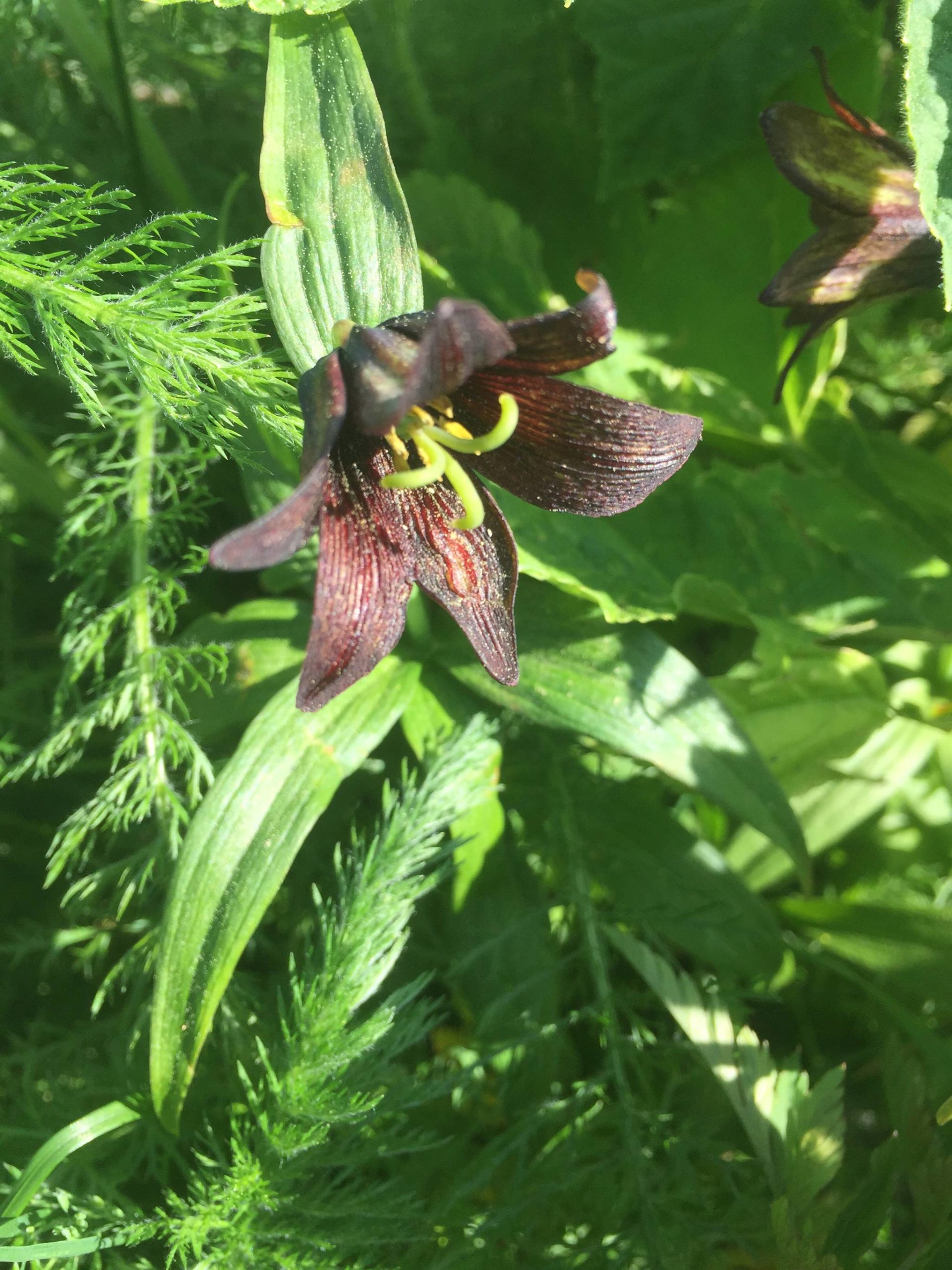
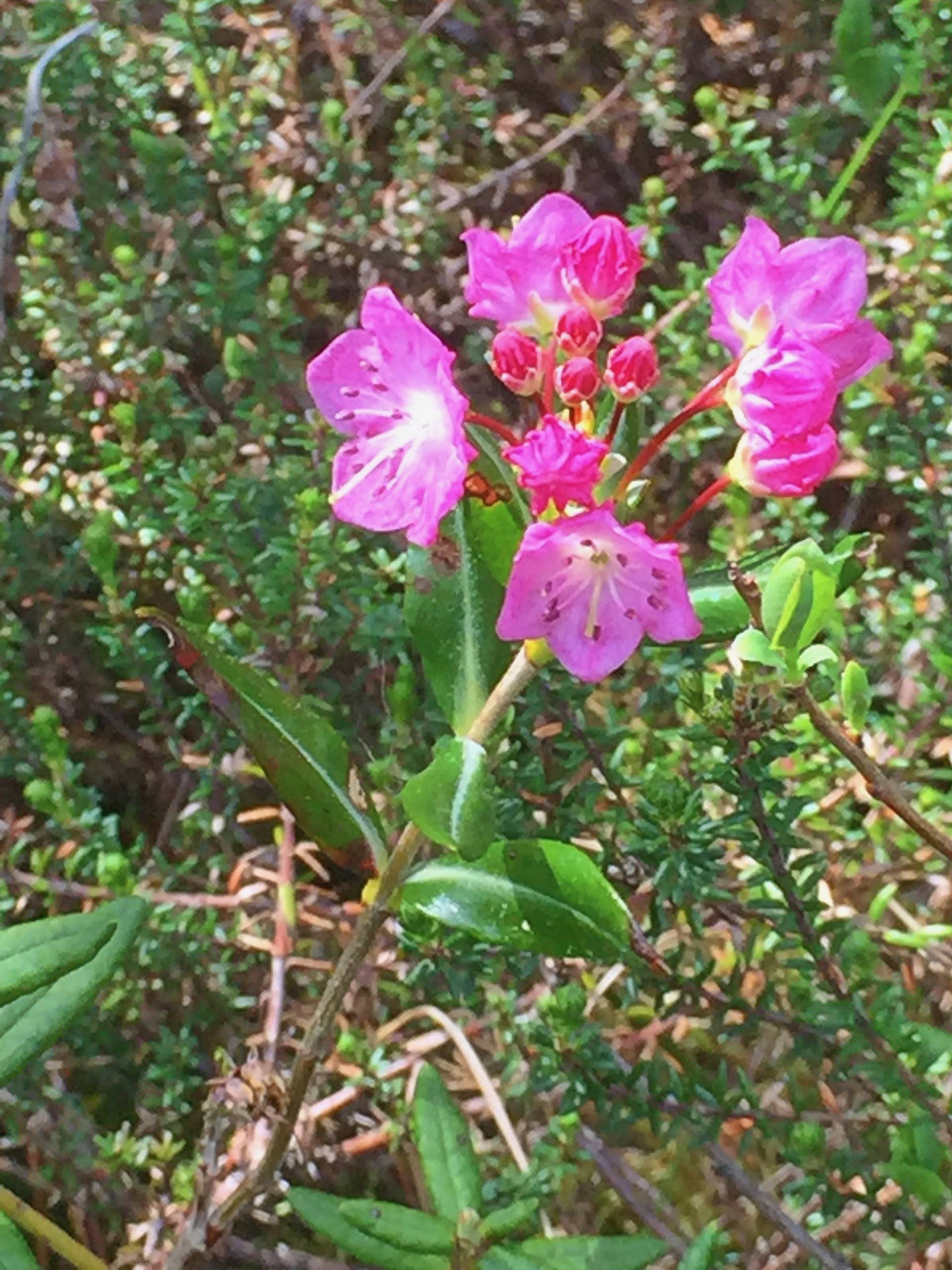
This photo shows a chocolate lily. (Courtesy Photo / Vivian Mork Yéilk’)
Special thanks to our respectful harvesting working group and summit planning committee:
Marina Anderson, Trixie Bennett, Kh’asheechtla Louise Brady, Akléi Helen Dangel, Sooktushaa Patty Dick, Kaaxwáan Dawn Jackson, Edna Jackson, Ka’illuus Lisa Lang, Naomi Leask, Ghooxk’ Brenda Leask, Kaasei Naomi Michalsen, Yéilk’ Vivian
Mork, Jennifer Nu and Shaagunasstaa Robert Sam.
Many thanks to the following individuals and organizations for your guidance and support:
Grandmother Rita Blumenstein, Ruth Booth, Aldyn Brudie, Scott Brylinski, Ahl’lidaaw Terri Burr, Iilsxilee Gloria Burns, Rob Cadmus, Elizabeth Campbell, Della Cheney, Susan Stark Christianson, Ilskyaalas Delores Churchill, Lione Claire, Ricardo Contreras, La quen náay Elizabeth Medicine Crow, T’sa T’see Naakw Meda DeWitt, Pauline Duncan, Aaron Ferguson, Jeff Feldspauch,, Sganggwaay, Dolly Garza, Kenney Grant, Moriah Hayes, Isabella Haywood, Joseph Hillaire, Glenn Hollowell, Lani Hotch, Sonia Ibarra, Richard Jackson, Janice Jackson, Elise Krohn, Ian Johnson, Melody Leask, Naomi Leask, Michelle Morris, Shtowk Dennis Nickerson, K’yuuhlgaansii Fred Olsen, Gah Kith Tin Alana Peterson, Lgeik’i Heather Powell, Daxootsu Judy Ramos, Kaakal.aat Florence Sheakley, Valerie Segrest, Phillip Sharclane, Shellie Tabb, Troy Tynes, Yeidukdudei Carol Williams, X’aax’aax Tammy Young, First Alaskans Institute, Haa Tóo Yéi Yatee culture camp, Huna Heritage Foundation, Sitka Tribe of Alaska Resource Protection Department, Tongass Tlingit Cultural Heritage Institute
Dedicated to the Kayaaní Commission.
Honoring the founding commissioners: Marion Donthier, Irene Jimmy, Jessie Johnnie, Naomi Kanosh, Ethel Mackinen, Lori Peterson, and Robert Sam.
Gunalchéesh, Haw’aa, Nt’oyaxsn, Thank You to all our respected elders, harvesters, interested community members, and youth who joined us for this virtual gathering to bring together Alaska Native plant harvesters from around Southeast Alaska to learn, appreciate, and network with each other to celebrate traditional edible and medicinal plants and to discuss and share stories, teachings, and best practices for respectful harvesting and protecting what we love in Southeast Alaska. The summit also featured plant videos and a food sovereignty showcase of projects from around Southeast.
Check back for information on opportunities to network, stay connected, learn and strengthen our communities together.” – Sustainable Southeast Partnership
• Vivian Mork Yéilk’ writes the Planet Alaska column with her mother, Vivian Faith Prescott. Planet Alaska publishes every other week in the Capital City Weekly.
