Online farmer’s market brings local produce to Southeast
Published 7:59 pm Wednesday, August 2, 2017
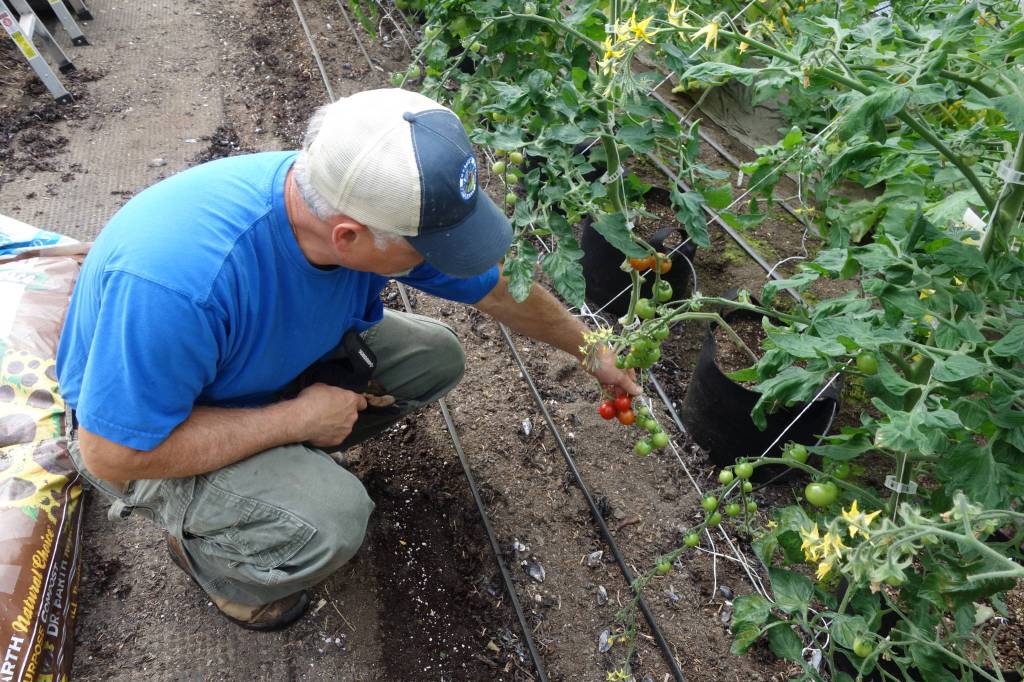
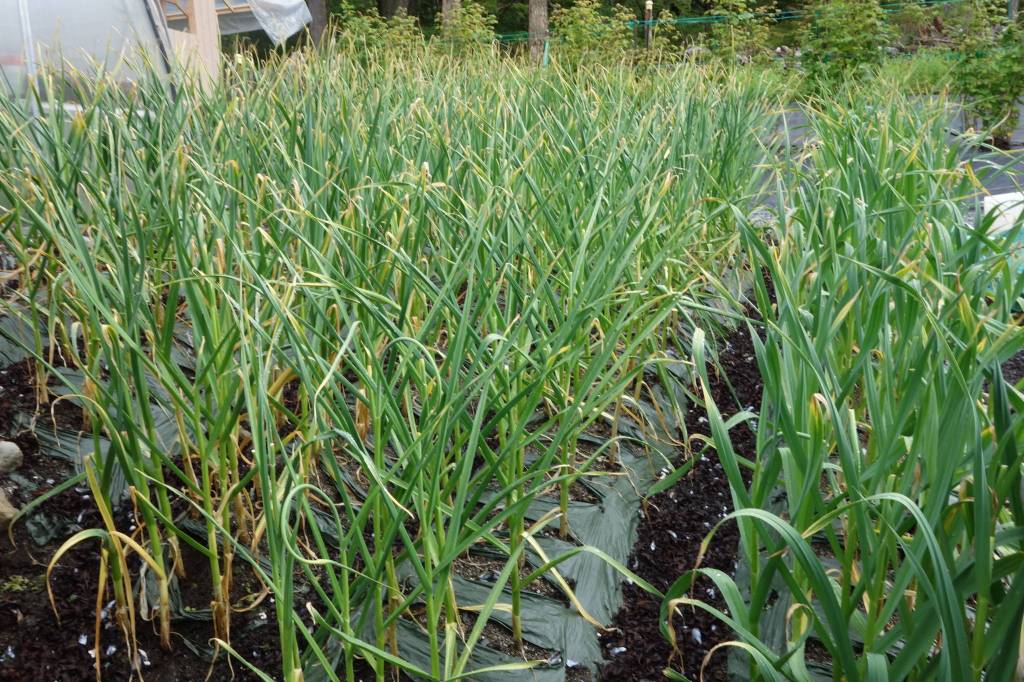
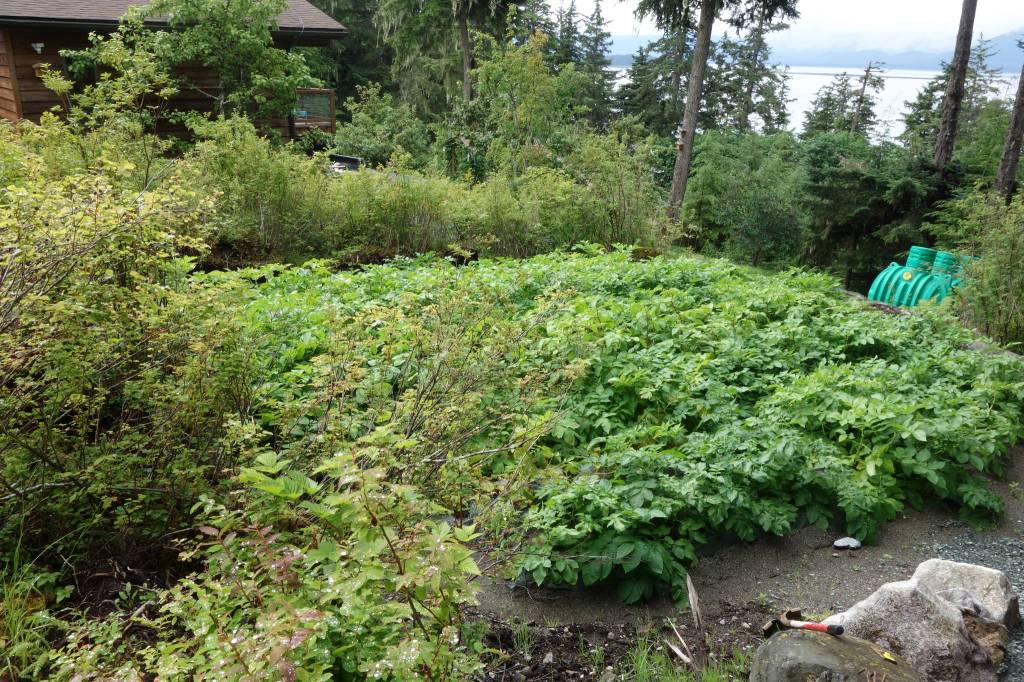
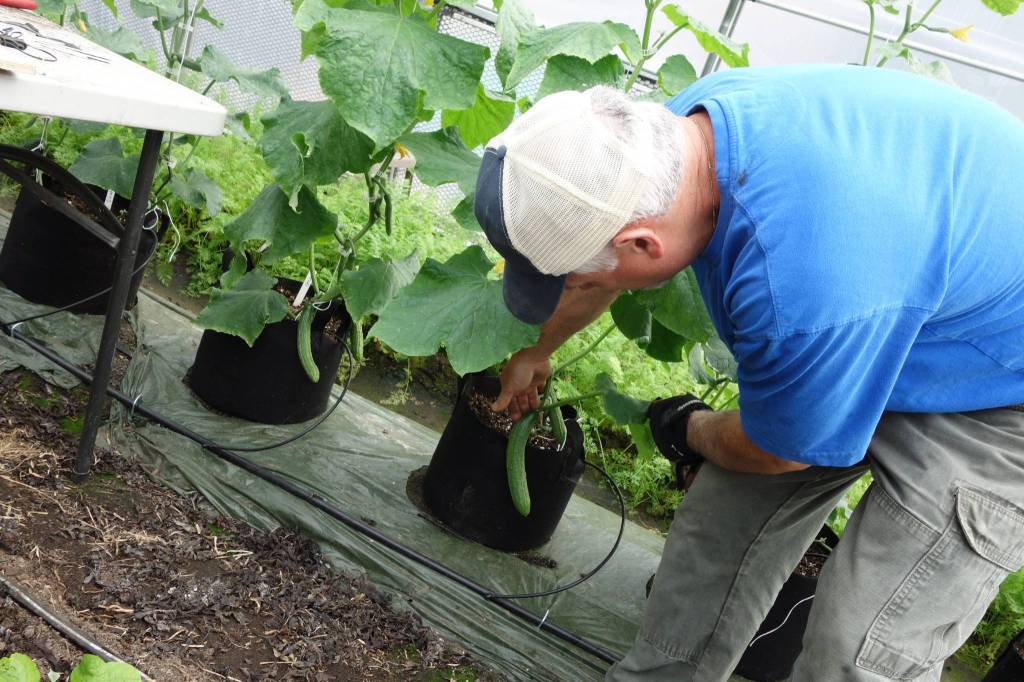

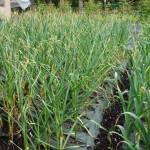
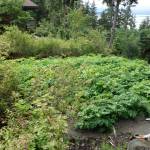

On a sunny Tuesday morning, Joe Orsi of Orsi Organic Produce gave a tour of his 5,000 square foot garden located north of Auke Bay in Juneau. He showed his vegetable plots — from potatoes, carrots and tomatoes to cucumber, garlic, and pea shoots — to fruit from his blueberry and raspberry bushes and apple tree.
When this produce is ready for harvest, he puts his excess up for sale online at the Salt and Soil Marketplace.
The Salt and Soil Marketplace is an online farmer’s market for Southeast Alaska that just launched its pilot year this summer. Put together in partnership with the Southeast Alaska Watershed Coalition, Spruce Root Community Development, Sustainable Southeast Partnership, and the Takshanuk Watershed Council, the marketplace currently sells to only Haines and Juneau, though sellers can come from all over Southeast.
“I think it’s allowed more people to participate than otherwise would,” Orsi said, stating that turnout for an in-person farmer’s market is weather dependent, other events around town can draw people’s attention, and farmer’s markets are infrequent enough that sometimes folks forget to come. One of the many nice things about the Salt and Soil Marketplace is its consistency – rain or shine, the marketplace is open several days a week, and the weekly aspect of the market sets up a routine for both producers and consumers, he said.
Orsi, a Master Gardener through the Cooperative Extension Service, has been gardening in Alaska since the 80’s. He didn’t start selling his Certified Naturally Grown produce until the first Food Festival at the Juneau Arts and Culture Center started occurring during the last Saturday in August. He eventually got his business license to sell commercially, and began selling at the Second Saturday Farmers and Crafters Market at the Airport Shopping Center too.
Orsi was involved with the Salt and Soil advisory committee, and attended regular meetings since the Fall of 2016 till the market’s launch in June. The Salt and Soil Marketplace has advantages that serve both the producers and the consumers, he said.
“It’s really a blessing to be able to pre-sell your produce before you pick it and deliver it,” Orsi said. “With the other markets, if there’s a poor showing, then you have more than you can sell. You either give it away, or use it yourself and process it. I hate to take stuff home. I like to sell everything I can … With Salt and Soil people basically sign up for what they want … and then on Thursday I go out and cut it, prepare it and package it and deliver it to the pick-up spot and then people show up an grab it.”
Orsi encourages people to check the marketplace out and provide feedback on the model so it can be improved upon if necessary. For the first year, there is no cost to participate.
Meet other vendors
Not every vendor has an operation as large as Orsi’s. Vendors for the marketplace can be large or small scale, and the amount of how much they sell, what prices, and how often are up to the individual vendor.
Hobby grower Daniel Schetky operates his aquaponics garden Rainy Day Gardens year-round inside an insulated shed. For five years, he’s grown various plants, like basil, lemongrass, watercress and mints.
“With aquaponics, because it’s a contained environment, it’s a little different and part of why I do this because it gives me the ability to overcome some of the difficulties in growing in Southeast. It allows me to have a warmer environment. It allows me to grow more tropical and sub-tropical plants like lemongrass. I have a pomegranate tree and a lemon tree that I want to work on growing,” Schetky said, though stated the trees are still too young to be producing fruit yet. “We have a lot of natural, renewable resources here in Juneau that can be used to amend your garden and help make the soil richer – from seaweed to shells to getting decaying wood. From fishing, I can harvest fish bones.”
Schetky found that he was growing more than his family could reasonably use. He would share the excess with friends on Facebook or sell it online with limited success.
“No one knew to look for me. It wasn’t a centralized location. There wasn’t the ability to take a credit card,” Schetky said on selling on Craigslist.
For a short time, he even supplied several local restaurants with his produce, but found that the restaurants wanted larger quantities than he currently produced; to meet the demand, he would have to cut back on the variety of plants he grew, which meant less variety for his personal use.
But then, Schetky heard about the Salt and Soil Marketplace through Facebook.
“(The Marketplace) appealed to me because it allowed me to sell my excess, lots of people will see it, and I only have to put up what I have available. … It allows me to have more variety and not throw away whatever I grow too much of,” he said.
Not everyone is growing produce though. Eggs are in high demand on the marketplace, regularly selling out.
Anita Morrison, age 11, has been selling eggs from her family’s free range chickens since June from her business Anita’s Eggs. She’s doing it to raise money for college (and little extra spending money). She has diverse interests, thinking about possible careers as an artist, engineer or farmer.
“It’s fun,” she said on caring for the chickens, but hard work. Each morning she feeds and waters the birds, then goes to collect eggs, taking them inside the house to clean and then place them in egg crates which will later be delivered to the aggregation site for pickup.
Currently, there are over 30 vendors selling at the Salt and Soil Marketplace.
The marketplace
“The Salt and Soil Marketplace is a connector, just as a person would shop at a farmer’s market and be able to pick out their carrots from Farmer A and their beets from Farmer B, they’re still buying directly from the producers,” said Lia Heifetz, director of Grow Southeast, who assisted in the launch of Salt and Soil.
The market sells what a person would typically find at an in-person farmer’s market: foraged foods, locally grown produce, eggs, fish, oysters, jams, jellies, and even soaps. Consumers go online at saltandsoilmarketplace.com, make and account, and select what products they want within the selling period, which closes on Tuesdays; then come Thursday, the sellers will have delivered the product to a specified pick-up location for the consumers.
“This is really a culmination of the work I’ve been doing over the last four to five years,” Heitfetz said. “I’ve been working with communities to localize food systems and working with entrepreneurs and people interested in producing food and growing food that is locally produced. So this idea was birthed a couple years ago and came out of hearing the need from producers to have more regular access to markets and hearing there’s a demand for more local food. So that was how the idea was planted. A couple years ago up in Haines we worked with the Takshanuk Watershed Council doing a small scale feasibility study, looking at the possibility of doing some sort of food hub which can take lots of different forms, but based on that study we decided that they would try this online marketplace, working on connecting producers to consumers… to connect producers all over the region to larger markets. A berry picker in Hoonah could be connected to the Juneau market, Juneau consumers, or a cabbage grower in Gustavus could sell their cabbages here in (Juneau).”
Market coordinator Colin Peacock who currently manages the Marketplace said once the kinks are worked out of the current system, they hope Salt and Soil can expand to sell in other Southeast communities beyond Haines and Juneau.
“We’re in a state with incredible food security issues,” Peacock said. “Ninety-five percent of our produce is bought from out of state and barged in. It’s low nutrition. It has a high carbon footprint — I mean, what would it mean if we were supporting even 20 percent of that 95 percent from local food? What would it mean for our local economy, that money staying in circulation here, providing jobs, having healthier food, and just so many great things.”
The marketplace will be open until October. The marketplace is actively seeking vendors; those interested should go to the website to learn more and reach out to Peacock on the contact form.
“There’s nothing more satisfying than picking up food, sharing food. It’s an amazing way to connect with the place that we live,” Heifetz said on why she finds the Salt and Soil Marketplace important. “There’s huge opportunity for developing businesses and helping communities become more resilient, providing economic activity in places where there is not a lot of action. Then feed people the best food they can eat.”
Clara Miller is the interim managing editor of the Capital City Weekly.