New Indigenous-named cabin opens at Mendenhall Campground
Published 4:30 am Saturday, June 27, 2026
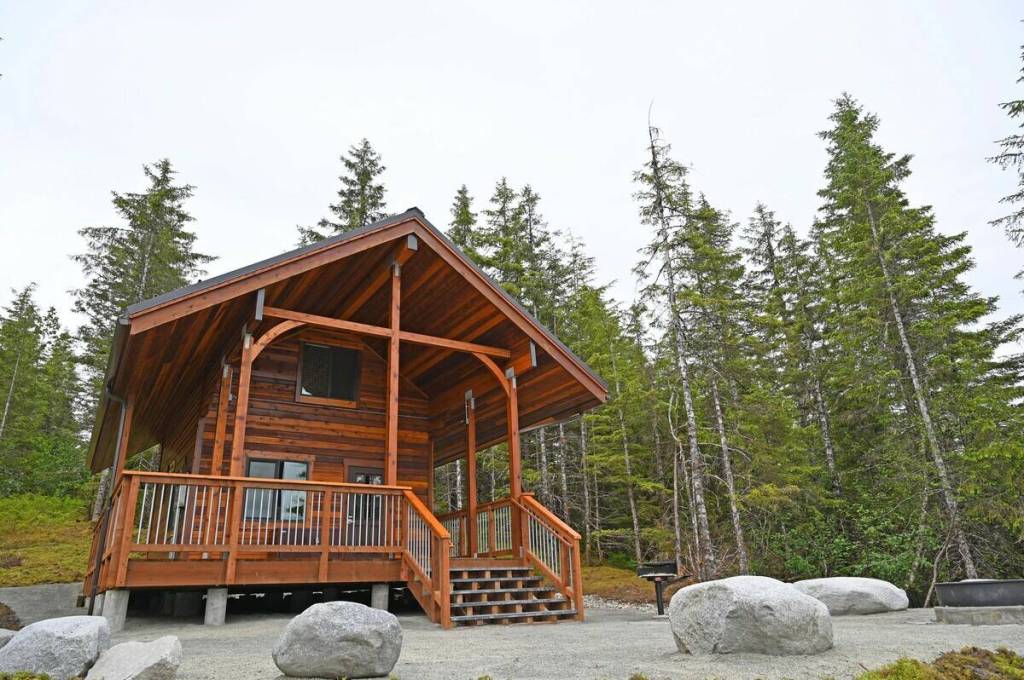
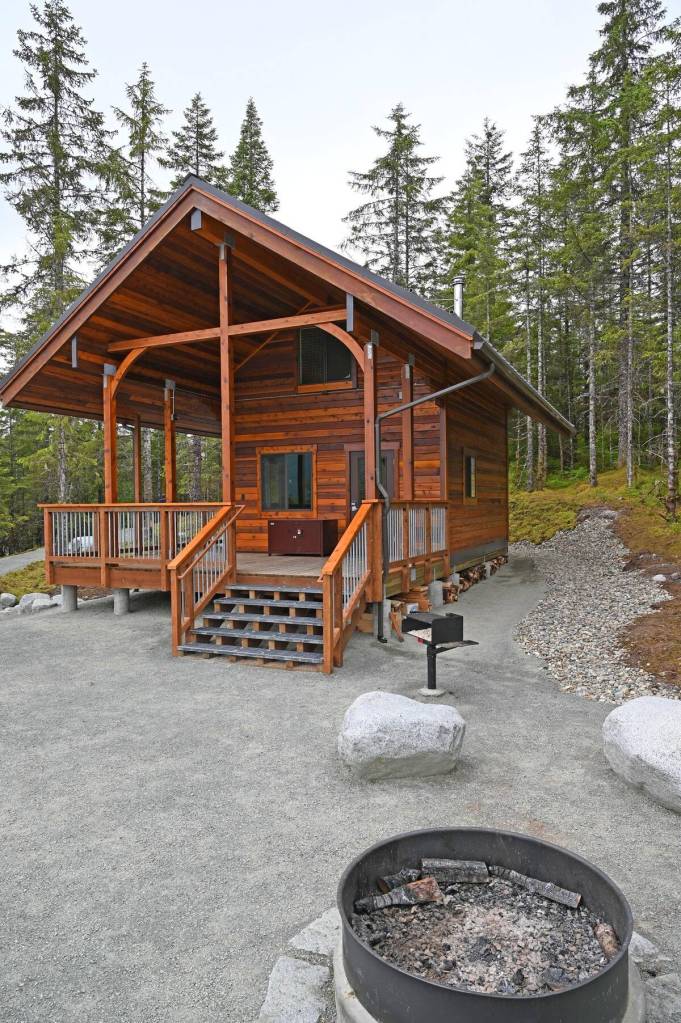
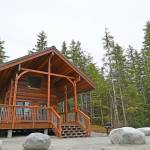
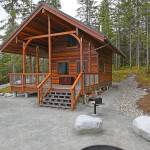
National organizations and Alaska Native communities celebrated the grand opening of the newest addition to the Alaska Cabins Project on Wednesday.
The National Forest Foundation, U.S. Department of Agriculture Forest Service, and the Central Council of the Tlingit and Haida Indian Tribes of Alaska gathered on June 24 for a ribbon-cutting ceremony marking the new Sítʼ Yá Hítʼ Cabin at Mendenhall Campground.
The new facility will expand access to outdoor recreation while showcasing the collaborative partnership that is supporting the next generation of public-use cabins across Alaska’s National Forests.
With road-based access and stunning views, acting Tongass National Forest supervisor Janelle Crocker says that the new facility could be the most used cabin in Juneau and could end up being the most used cabin in the entire forest.
“This amazing new recreation opportunity is an excellent example of how the Alaska Cabins Project is helping us meet public demand, balance use, and make the nation’s outdoors accessible and enjoyable for all Americans,” she said.
The project also represents a milestone in public lands stewardship, as the cabin in the first Forest Service recreation cabin in Alaska to receive an Indigenous name as part of a wider commitment to tribal partnership and co-stewardship. The name translates to “Face of the Glacier House,” while another cabin that opened in Ketchikan earlier this month was also given an Indigenous name that translates to “Beaver House.”
At least three more cabins named by tribes are expected in the coming years.
The Alaska Cabins Project is a partnership to improve, replace, and construct public-use recreation cabins across Alaska.
“The initiative helps address growing demand for outdoor recreation while creating jobs, supporting local contractors, improving accessibility, and strengthening connections between communities and public lands,” the Forest Service stated.