
WASHINGTON — President Barack Obama is asking Congress for more than $1.8 billion in emergency funding to fight the Zika virus and the mosquitoes that spread it here and abroad, but says “there shouldn’t be a panic on this.”
The virus is spreading rapidly through Latin America. While most people experience either mild or no symptoms, Zika is suspected of causing a devastating birth defect — babies born with abnormally small heads — and pregnant Americans are urged to avoid travel to affected areas.
U.S. health officials say the money is critical for research into the birth defect known as microcephaly. They also want to speed development of a vaccine and better diagnostic tests, and expand mosquito control programs. Some of the money would also aid Zika-stricken countries and territories.
“What we now know is that there appears to be some significant risk for pregnant women and women who are thinking about having a baby,” Obama said in an interview aired Monday on “CBS This Morning.”
And while experts don’t expect large outbreaks in the continental U.S., the emergency funding also would help them prepare for any local transmission as spring and summer approach. The administration is seeking the Zika money separately from the regular budget for the next fiscal year, which Obama will submit to Congress on Tuesday.
“For the average American, this is not something that will change our day-to-day life,” Dr. Anne Schuchat of the Centers for Disease Control and Prevention told reporters at a White House briefing. “Our focus is on protecting pregnant women and trying to control the mosquito.”
Most of the money would go to health officials for such things as improving laboratory testing capacity, education and establishing rapid response teams. About $250 million of assistance would be directed specifically to Puerto Rico though extra Medicaid funding for health services, and $200 million would go toward research and commercialization of new vaccines and diagnostic tests.
The remainder, about $335 million would go to the U.S. Agency for International Development to help affected countries provide training to health workers, stimulate private sector research and help pregnant women gain access to repellant to protect against mosquitoes.
Also Monday, the CDC said its emergency operations center, a command center that has been coordinating the Zika response, was being put on its highest level of alert.
The Pan American Health Organization reports 26 countries and territories in South and Central America and the Caribbean with local Zika transmission. To date, there has been no transmission of the Zika virus by mosquitoes within the U.S., but some American travelers — 50 with laboratory-confirmed cases between December and last week — have returned home with the infection.
One case in Texas is believed to have been transmitted through sex, and last week officials in Brazil, hard-hit by Zika, reported finding the virus in saliva and urine.
That doesn’t necessarily mean Zika can spread through those body fluids, said Dr. Anthony Fauci, director of the National Institute of Allergy and Infectious Disease. Fauci said the main focus is on mosquitoes.
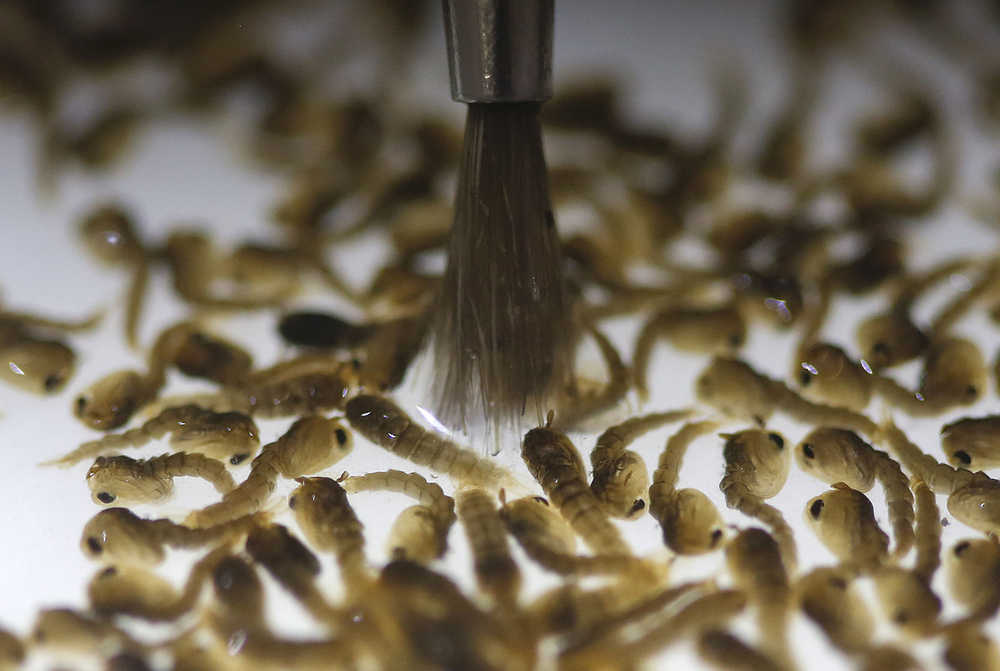
Zika usually is transmitted through bites from the Aedes aegypti species, which is found in Florida, along the Gulf Coast and in states that border Mexico. Fauci noted that those same mosquitoes spread dengue and chikungunya, cousins of Zika, and there has been some local transmission of those viruses in recent years. Some of the emergency funding would help the government prepare for any similar local transmission of Zika.
On Tuesday, administration officials are to brief Senate Majority Leader Mitch McConnell, R-Ky., and other congressional leaders on the administration’s Zika prevention and response plan.
“Concern about the Zika virus is growing in our country,” said McConnell, adding that protecting constituents, especially children, “is a high priority for all of us.”
Rep. Nancy Pelosi, the Democratic leader in the House, said that Congress should act swiftly to strengthen the response to “Zika’s distressing spread.” But she also said the measure should include funding to address the water problems in Flint, Michigan. Efforts to expand the scope of the emergency spending bill could make it harder to pass.
“We have a moral responsibility to be there for the thousands of children who have already been exposed to unconscionable levels of lead,” Pelosi said.
____
AP Medical Writer Lauran Neergaard contributed to this report.
____
On Twitter, follow Kevin Freking at http://twitter.com/APkfreking
