Invasion from ‘Borg of the ocean’ baffles scientists
Published 12:19 am Thursday, June 22, 2017
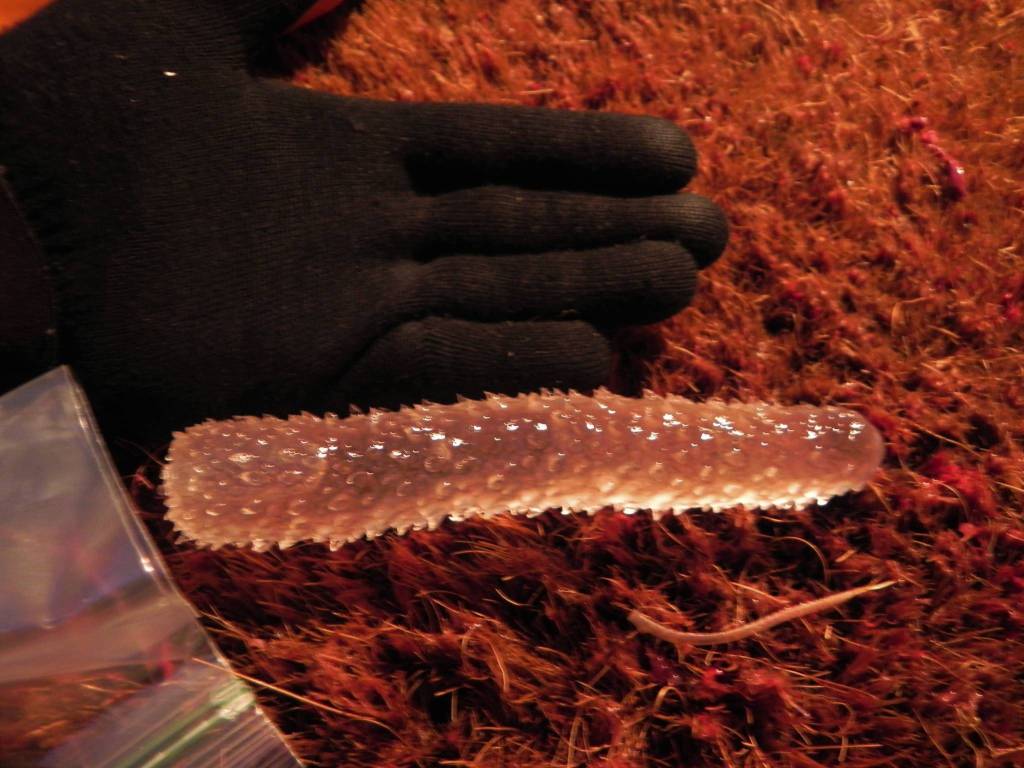


Fishing for winter king salmon in February, Don Jeske found himself in the middle of an invasion.
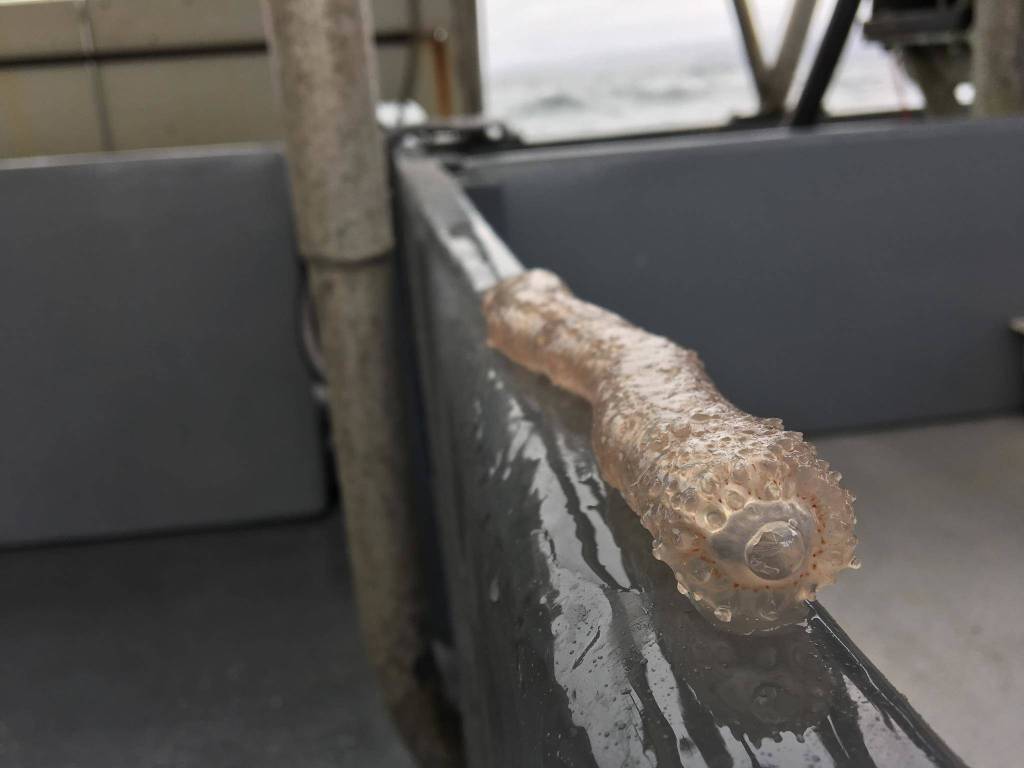
They came in the millions, most of them about 6 inches long and resembling long, pink thimbles. They swamped his commercial trolling gear on his boat the Tricia Marie.
In his 50 years trolling for salmon around Sitka, he has had never seen anything like it.
“They were all over out there, they were everywhere. … I would say millions, not hundreds of thousands,” Jeske told the Empire in a Wednesday phone interview. “… This is a weird organism, man. I don’t have a clue.”
Scientists have now confirmed that Jeske had encountered a biomass of a pyrosomes — tropical, filter feeding and spineless creatures.
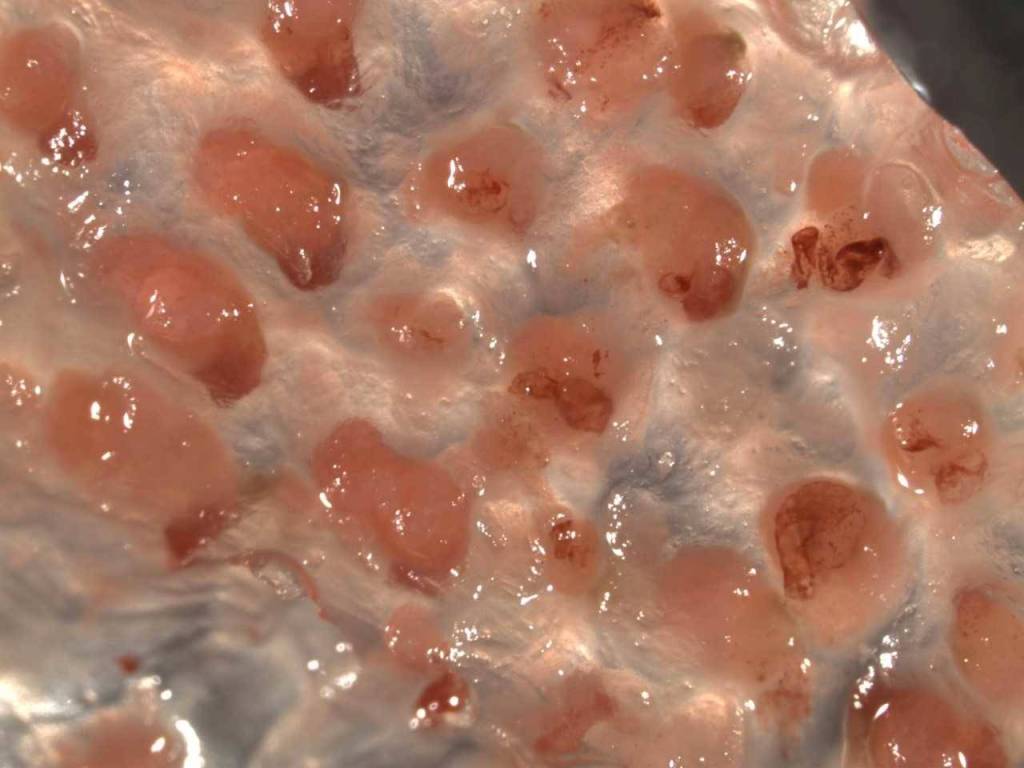
They’re tube-shaped bunches of multi-celled animals and their recent appearance on the coast of Southeast Alaska has scientists scratching their heads.
“This is the first documented presence of these animals this far north,” said National Oceanic and Atmospheric Association biologist Jim Murphy on Wednesday. “It’s not a single organism, it’s thousands of them that are kind of mushed together in a tube.”
So far this year, pyrosomes have been caught by research vessels, fishing nets and longline gear from the coast outside of Craig to Cross Sound, north of Sitka, according to a citizen scientist group that reports sightings of unusual marine life.
They’ve landed in the thousands on the shores of Oregon and Washington.
When Jeske caught some, he knew he had something unusual, so he kept a few in a bucket. When he got into town, he called Rhea Ehresmann, an old deckhand who now works as a biologist for the Alaska Department of Fish &Game office in Sitka.
“We got reports the first and second week of February and started getting pictures from fishermen and calls from fishermen who were wondering what in the world these creatures are,” Ehresmann said. Some had to quit fishing, others just moved or waited out the invasion.
Rhea sent Jeske’s specimens along to Murphy, who was able to identify the species, known as Pyrosoma atlanticum. A related species of can grow up to 60 feet long.
Pyrosomes are here, and in great numbers, but that’s about all researchers know. What effect they could have on marine life is anyone’s guess. Known as the “Borg of the ocean,” after the Star Trek antagonists, they usually stick to a narrow band around the equator.
Their appearance is disconcerting to scientists. Did they come to conquer, or did they come in peace?
“Just the fact that they’re here is concerning. It means that we are clearly seeing really big changes in the marine ecosystem,” Murphy said.
Researchers have speculated that the bloom is tied to warmer ocean temperatures in the Pacific in recent years. But temperatures have cooled back nearly to normal this year, Murphy said, and what’s more, these pyrosomes showed up in the middle of winter.
Less is known about marine invertebrates than other ocean-dwelling animals. The study of spineless creatures like jellyfish is a highly-specialized field, Murphy said. Additionally, pyrosomes aren’t commercially important animals and aren’t typically found close to shore, reducing encounters scientists have with the animals.
Leon Shaul, a biologist with Fish &Game, has been tracking the appearance of pyrosomes in Southeast. He said he’s “emailed the whole world” about the issue, but hasn’t heard much back.
“There’s not much even as far as research papers about them,” Shaul said on Wednesday. “It’s noted here and there in diets of fish in Tazmania and Florida,” but otherwise, Shaul hasn’t been able to dig much up. In a closed online forum with other researchers, he said he’s only heard general responses to his questions.
This is at least the second invertebrate invasion in the past year. Another filter feeding species, known as a sea butterfly, appeared last summer in unusual numbers, Muphy said.
He’s not sure if the two are connected, but he did say it’s been a “highly unusual” year for Southeast marine life.
In upcoming trawl surveys designed for salmon research, NOAA will attempt to get a handle on how many pyrosomes are out there.
“My hope is that they’ll all go away,” Murphy said.
• Contact reporter Kevin Gullufsen at 523-2228 and kevin.gullufsen@juneauempire.com.