Hope and frustration intermingle as Women’s March 2018 builds movement’s momentum
Published 1:58 am Sunday, January 21, 2018
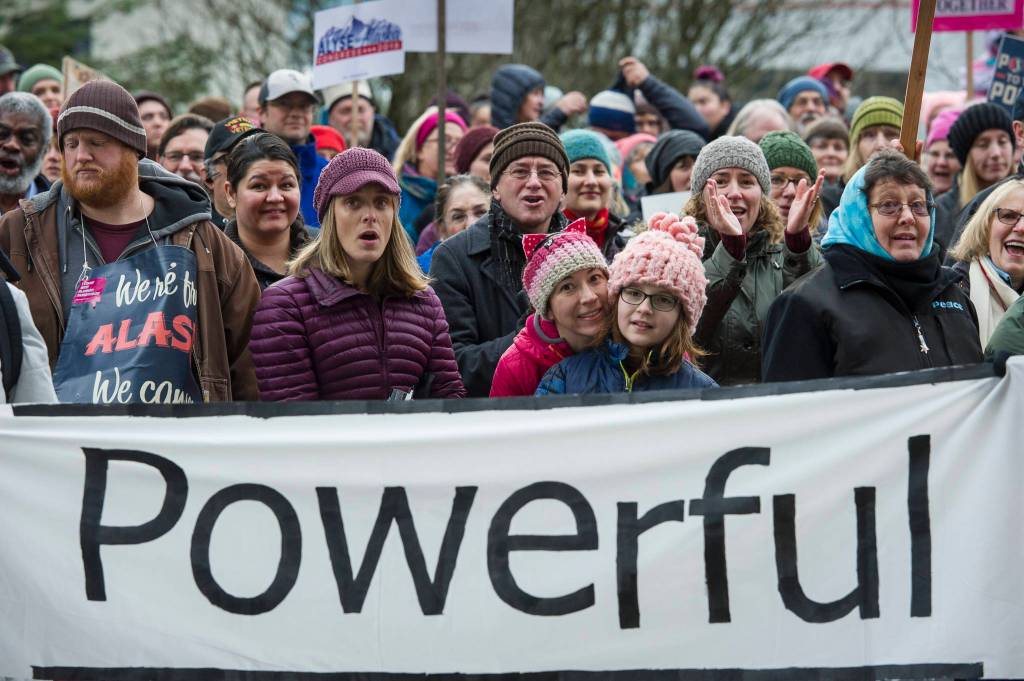
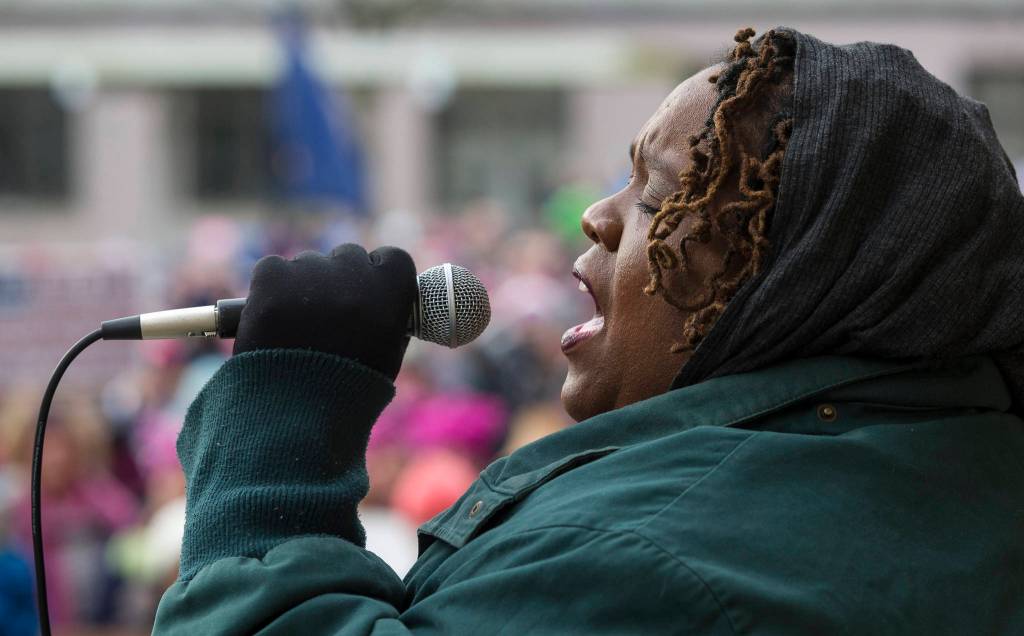
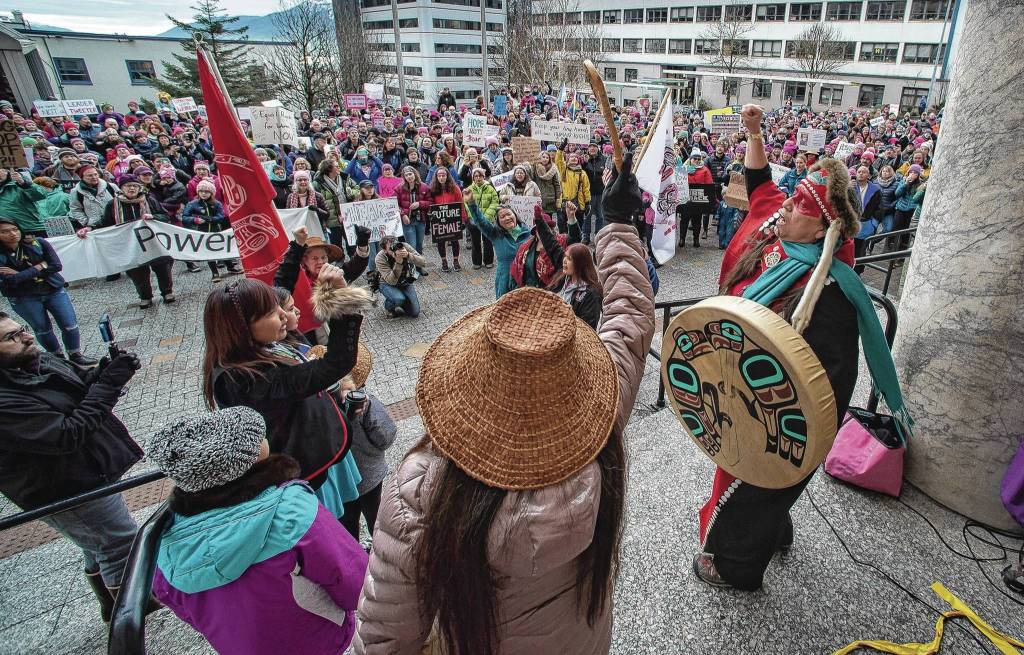


It’s been a full year since demonstrators staged what is likely the largest single-day demonstration in U.S. history, the 2017 Women’s March on Washington.
The first march was planned in response to President Donald Trump’s inauguration. It sparked nationwide movements in political engagement and gender equality, galvanizing minority and progressive groups under the banner of a “resistance.”
If Saturday’s demonstration in front of the Alaska State Capitol was any indication, the movement hasn’t lost momentum: more than 1,030 people gathered Saturday, numbers approaching the first event, according to a photo analysis provided to the Empire.
[SLIDESHOW: Juneau Women’s March 2018]
How have the marchers felt in the intervening months since the first women’s march?
“Exhausted.”
“Oppressed.”
“Empowered.”
“Disgusted.”
“Hopeful.”
“It has made me want to rise up.”
That’s Joyce Thoresen, Becky Bear, Grace Newman, Sue Gill, Bev Levine and Patti Bower, respectively. Each marched Saturday.
Marcher Barbara Learmonth carried a red, white and blue sign reading “democracy is not a spectator sport.” Learmonth said that going forward, those who want to make a difference in gender equality issues need to be engaged and unified.
The original march was her catalyst to become more politically engaged.
“I just got overwhelmed and I finally just decided to say, ‘OK, you have to focus, you have to be realistic about what you can do.’ But frankly, it’s selfish because I feel better doing something rather than nothing,” Learmonth said. “Hope is a choice. Why would I choose to be hopeless? I have grandchildren.”
The women’s march is a broad-based movement and political hub of sorts for many minority and activist groups, many of which were well-represented Saturday. Alaska Native women, LGBTQ communities, immigration rights supporters, gender equality activists, climate change and reproductive rights advocates — the young, old and middle aged — all could be seen among the crowd. Even Trump expressed support for the march via a Saturday morning Tweet.
It’s a mostly left-leaning cohort and attendance from elected officials reflected that. Juneau Reps. Sam Kito III and Justin Parish, Geran Tarr, D-Anchorage and Lt. Gov. Byron Mallott — all Democrats — attended the march. The Empire didn’t see any elected officials from other political parties.
Mallott’s wife, Toni Mallott, attended the event with family and friends. She said she was “deeply moved, impressed and motivated to go out there and not be afraid to speak up.”
She said she hopes women of all political stripes understand the importance of working for change.
“I would hope that other women from all political parties will somehow come together and not feel that this march was a partisan thing. … It shouldn’t be about party, it should be about women fighting for progress, equal rights and a safe place for our children,” Toni Mallott said.
Most at the event expressed discouragement at the U.S.’s political direction, but speakers and marchers also celebrated initiatives like the #MeToo and Time’s Up movements against sexual harassment and the Run for Something campaign to increase numbers running for public office, which were all motivated in part by the 2017 march.
Signs critical of Trump could be seen everywhere. Two examples being: “Predator in chief” and “We need a leader and not a tweeter.”
Young people were well-represented. One sported a sign reading “I can vote in 2020.”
Ayah Hart and Sage Walker, freshmen at Juneau-Douglas High School, said they hope their generation continues to demand equal rights for women.
“I hope that my generation continues to push forward and break down barriers that females have, that we can fight our way through it and do whatever we want, because we’re strong,” Hart said.
Marchers were both optimistic and anxious for America’s political future. Libby Bakalar, a local attorney who runs a popular Twitter account One Hot Mess AK, summed up the mix of emotions in her speech before the Capitol.
“Fear is a petty bully. Fear is weak and it can be conquered by two weapons that each of us has within ourselves: our time and our voices. How we use our time and how we use our voices is our rebuke to fear. This is not a political statement and this is not a political moment, this is a human statement,” Bakalar said.
• Contact reporter Kevin Gullufsen at 523-2228 or kevin.gullufsen@juneauempire.com. Follow him on Twitter at @KevinGullufsen.