Get to know a candidate: Maria Gladziszewski
Published 10:30 pm Tuesday, September 8, 2020
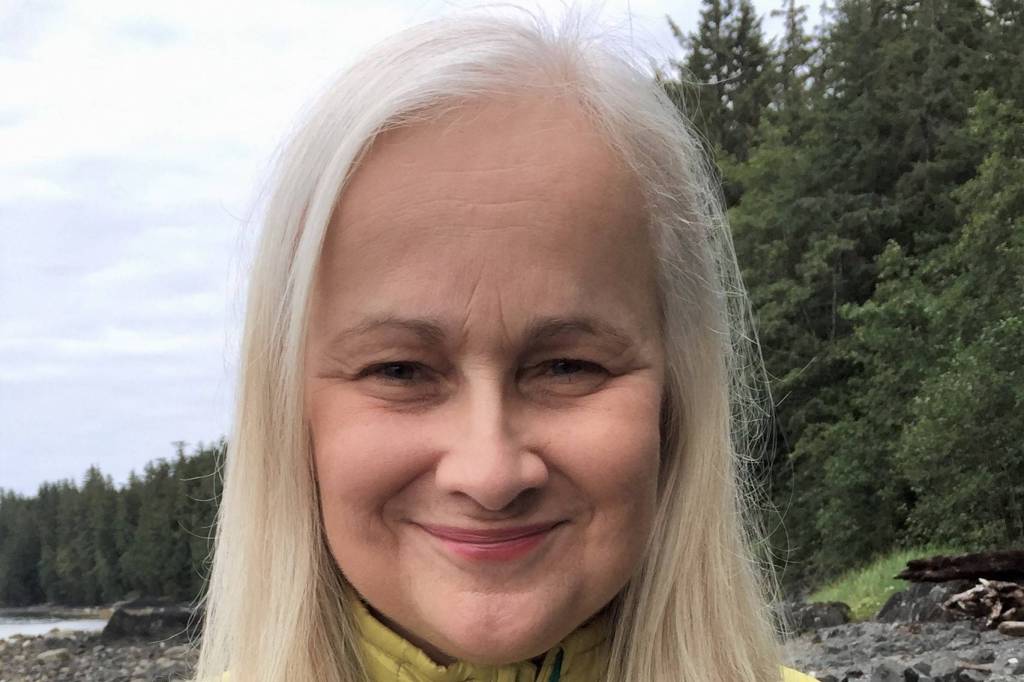
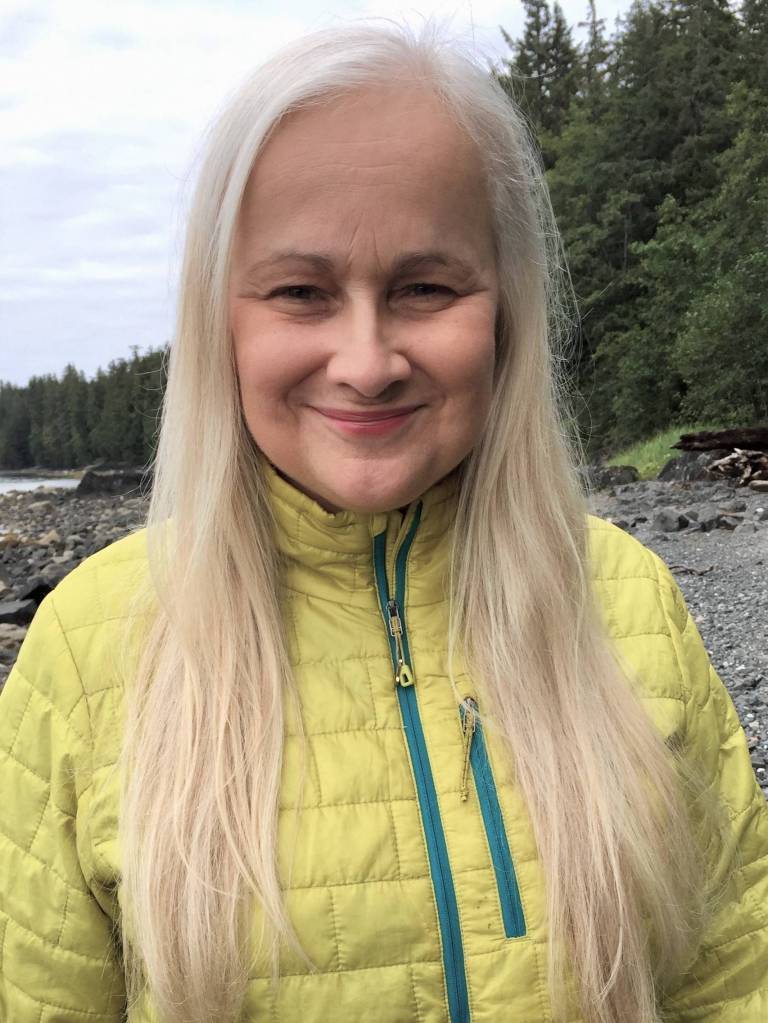


Maria Gladziszewski
Place of Birth: Chicago, Illinois.
Length of Residency in Alaska: 36 years.
Length of Residency in Juneau: 31 years.
Education: B.S. in Biology from the University of Illinois at Champaign-Urbana; M. A. in Science, Technology and Public Policy from George Washington University.
Occupation: Deputy Director, Division of Wildlife Conservation for Alaska Department of Fish & Game.
Family: Married to Eric Kueffner.
Community Service: Board of Directors, Perseverance Theater (nine years, including two as president); CBJ Planning Commission (over 11 years, including three as chair); CBJ AJ Mine Advisory Committee; CBJ Assembly (6 years)
Other Experience: Naturalist/lecturer (Glacier Bay, Katmai, Grand Canyon National Parks) as well as for private tour companies; staff to the U.S. House Committee on Science, Space, and Technology; analyst for the Alaska legislature (in its non-partisan research bureau); CBJ Special Projects Officer (tackling issues as varied as tourism policy, human/bear conflicts, and solid waste management).
[Read about this year’s ballot propositions here]
Assembly Candidates’ Questions
1. How should CBJ respond to the Governor’s budget cuts? Are general obligation bonds a legitimate tool to stimulate economic activity in this environment?
We should continue to work with our local delegation and also join forces with other cities to lobby for as much state support as possible. Realistically, however, we must brace for more state budget cuts. Regarding the city budget, we must prioritize services and cut the lowest priorities. There is no more low-hanging “fat” in the city budget and trimming across the board will undermine core services. We should improve on the priority-based budget process and work towards fuller community engagement on the choices ahead, rather than just hearing from advocates when their favorite program/project is threatened. We are a small community and we must live within our means. Yes, GO bonds are certainly a legitimate tool; we need to infrastructure built and the work provides needed economic activity at this time.
2. COVID-19 has caused disruption to tourism, including the cruise ship industry. What lessons learned during this time can the Assembly address and work on once we are in the new normal?
One lesson learned from the shutdown of cruise industry is that Juneau needs to broaden its economic base in order to have a more resilient economic future. Another lesson is that Juneau needs to assert itself with respect to the cruise industry, to take more charge of its tourism future. The Visitor Industry Task force has already done good work on these issues, and we should follow up on their recommendations. For the 2021 season, we need to continue to be vigilant about public health and be sure that when passengers return, it is safe for them and for the community.
3. What can the Assembly do to help lessen the economic impacts of COVID-19 on the Juneau community and move Juneau forward in economic recovery?
We must continue to think of all members of our community and anticipate needs as best as we can. The impacts of shuttering an economy virtually overnight were difficult to fathom and the Assembly enlisted the help of a panel (the Economic Stabilization Task Force) to advise on how best to navigate this unprecedented situation. In the next months, we must continue to distribute federal CARES Act funds for businesses, nonprofits, and families needing direct assistance. In addition, we can invest (e.g., through bonding) in local labor for the maintenance of essential CBJ facilities such as schools and other critical infrastructure.
[Read about how this year’s mail-in election will work here]
4. What can the Assembly do to help alleviate the critical shortage of child care options for Juneau families?
The Assembly has been working diligently on this issue for a couple years and has made some tangible progress for improving the child care system. The CBJ is providing funding to train providers to help ensure that an adequate supply of trained workers enters the childcare industry; a per facility stipend to assist providers with facility costs; and a per child stipend to enable better wages for child care workers. Data show that infant/toddler care is the most limited in Juneau so stipends are higher for children of that age. These interventions were long studied and this is the first year of funding at a level that should make a difference. CARES Act funding through December 2020 supplemented funding from city sources for this fiscal year.
5. What is the most important community need the Assembly must address?
Right now, the most important need is to protect public health and well-being during a pandemic. This immediate concern is tied into the ongoing challenge of economic vibrancy and ensuring that Juneau is an affordable and livable community into the future. We must focus on the factors that CBJ can influence when it comes to the cost of living including a stable and fair tax structure, appropriate land use/zoning/building codes (as we still need more affordable housing options), and well-managed public and utility services. Juneau is a small community (lack of economies of scale for infrastructure) in a remote location (freight costs) and small population (small tax base, business costs higher per-capita) so affordability challenges abound. As always, there are many issues to navigate simultaneously.
6. What is the most significant Assembly accomplishment in the last year?
Navigating the COVID-19 pandemic. The Assembly has provided rational and clear-cut leadership by following public health guidance, protecting the public health and directing resources to assist individuals, businesses, and nonprofits to weather the economic consequences of shutdowns. Early on, information about the virus and its consequences changed by the day and there were more unknowns than knowns. Later, virus information and data improved but conflicting opinions and values surfaced clashes among community members. Still, guided by the best science, the Assembly continues to work together for the health and well-being of Juneau. How we get through this crises is completely dependent upon the individual actions of each member of our Juneau community.
• These questions were developed by the League of Women Voters. Candidates supplied the biographical information.