Former longtime Juneau lawmaker Jim Duncan reenters the political ‘Sausage Factory’
Published 9:30 pm Thursday, June 5, 2025
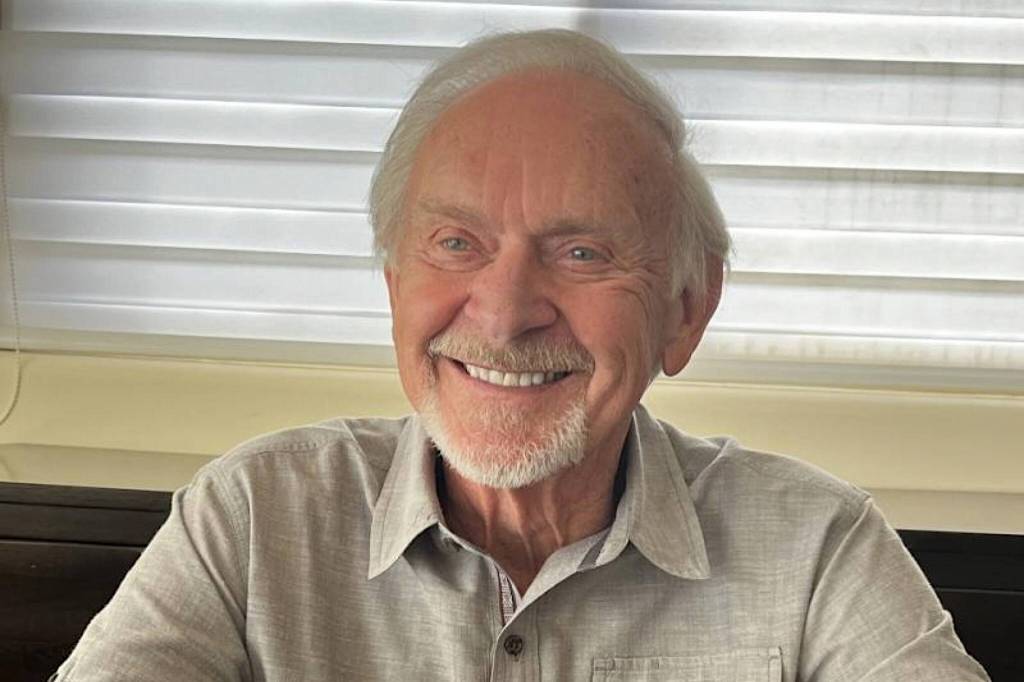

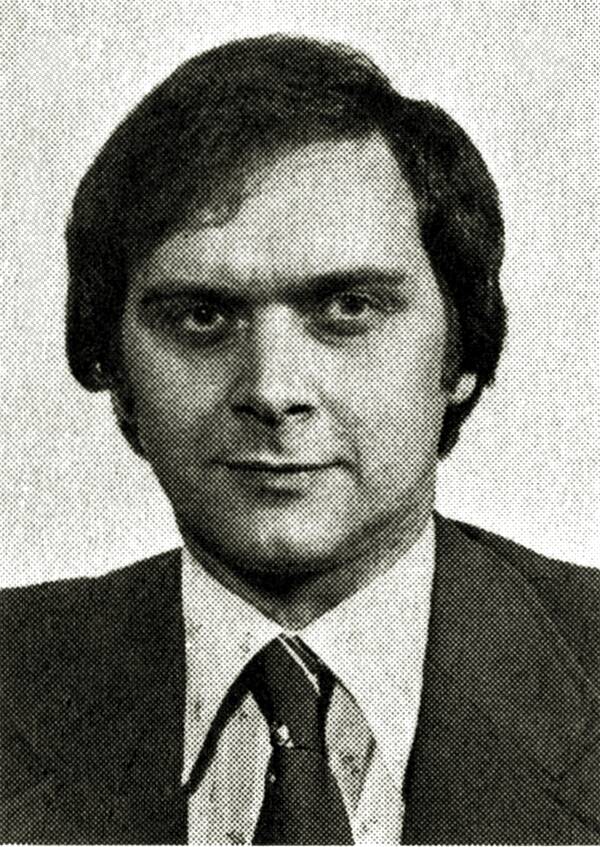


While these are strange political times, it’s not like an actual coup has occurred. Which is more than can be said for longtime local political titan Jim Duncan, who decades after being ousted as House Speaker at the Alaska State Capitol is reentering the public policy arena to tackle similar issues amidst a different type of turmoil.
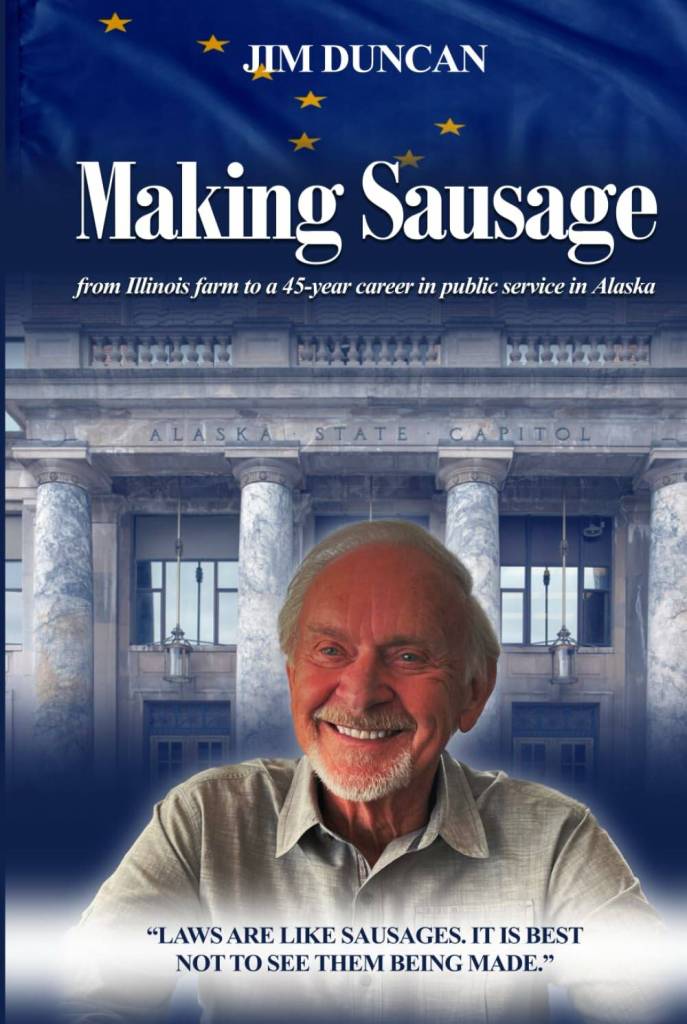
Duncan, a Juneau legislator from 1975 to 1998 and statewide executive leader until his retirement in 2017, is sharing his take on politics past and present in his self-published book “Making Sausage: From an Illinois Farm to a 45-Year Career in Public Service in Alaska.” As the title suggests, it’s an assemblage of scraps from Alaska’s body politic going through a messy process with outcomes that aren’t always palatable.
“As I said in the introduction it’s history, but it’s not ancient history because the issues I worked 25 years ago or 30 years ago when I was in the Legislature, those same issues are there today,” Duncan said in an interview from his current home in Anchorage. “They’re still working on adequate funding of education, a fiscal plan, fair taxation, oil taxation policy, health care, how are we going to fund your public education system, the Permanent Fund dividend. None of those issues have been resolved.”
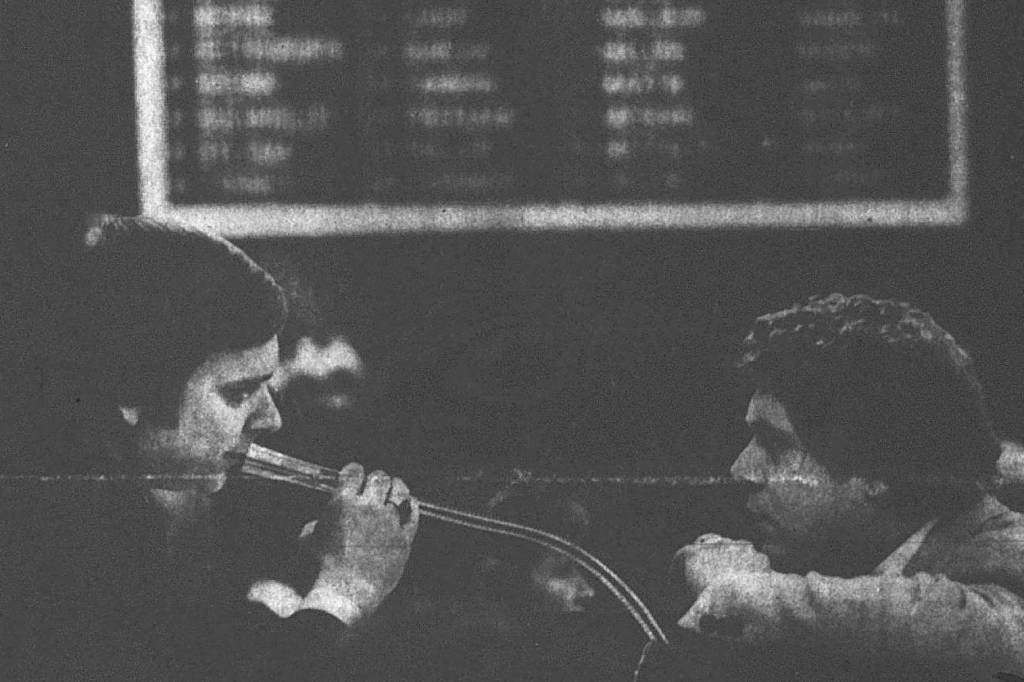
Duncan opens the book with a vignette about his political career being launched in 1971 “when a policeman threw him out of the Baranof Hotel for looking like a hippie.” But his most (in)famous moment in politics remains “The Coup” detailed in Chapter Eight. That’s when Duncan, as a Democrat who was House Speaker in a chamber with a bare-minimum majority of 21 members in 1981, became the only person in that chair to be forcibly ousted in a bitter fight about oil taxes and moving the capital out of Juneau.
“On the morning of June 12, 1981, 21 representatives — mostly Republicans — entered the House chambers at 9 a.m., an hour before that morning’s house session was supposed to start,” an Empire recounting of the incident published in 2019 notes. “When they got started, there wasn’t even a clerk present to take notes, according to the 1981 House Journal. They did have a quorum, though, and they ousted Duncan in favor of Rep. Joe Hayes, R-Anchorage. Duncan called the turn of events ‘traumatic,’ but he said he was glad he stuck to his beliefs.”
The fight was mostly about oil companies wanting to pay fewer government royalties who supported like-minded lawmakers carrying out the coup, Duncan said while discussing his book. The same fight is happening decades later as legislators are divided on whether to hike taxes on oil companies to help remedy an ominous financial situation that — among other things — has officials wondering if the state will even be able to pay out PFDs in future years.
“If we would not have made that change we’d be funding public education,” he said. “We’d have a good Permanent Fund dividend, and also adequately fund the University of Alaska and many the other programs that are needed. We probably wouldn’t have the deficit that we have today if we hadn’t made that oil tax change in 1981 so I’m hopeful that history might be of some importance.”
Plenty of other issues remain perpetual subjects of debate, with Duncan focusing on them chapter-by-chapter. Throughout most of his book, he relates them to his experience in the Legislature, as the Democratic nominee for Alaska’s U.S. House seat in 1998, a state commissioner for former Gov. Tony Knowles after that race and as the executive director of the state’s largest employees’ union from 2003 to 2017.
Duncan said he started writing the book about three years ago, finishing it last October. It’s available in hardback, paperback and ebook editions.
“Why I decided to write was because I thought all these issues are still there, but they were being ignored,” he said.
While modern-day politicians and the public are being saturated with information about ongoing issues such as education funding, Duncan said he’s hoping his lessons learned from long ago add something to the discussion.
“I’m hopeful that maybe some of the newly elected people in the office don’t have the history that’s there — and even a lot of the citizens of the state, because they’re new to state — don’t have the history.”
The Legislature, during this year’s session that ended last month, passed a bill significantly boosting the state’s per-student funding formula for the first time in many years. That process included overriding a veto by Gov. Mike Dunleavy on the final day of the session, but Duncan noted the issue still isn’t resolved. The governor has suggested he may nix at least some of the extra funding when he signs the budget later this month.
“They worked across party lines, they worked across caucus lines to get it done,” Duncan said. “And I congratulate them on that. It was a very worthwhile effort. But the problem is it becomes obvious that it takes three, right? Not just two legislative bodies, but you also need the governor on board. Unfortunately, Gov. Dunleavy, best I can tell, didn’t participate very much in negotiating with the House and the Senate leadership on education funding. And I think the jury’s out as to whether that’s going to happen. I wouldn’t be surprised to see a line-item reduction.”
Duncan’s stance on other issues — such as the state’s ongoing fiscal crisis and the same talk of a long-range fiscal plan that’s been around since he was in office — often is nearly identical to what’s being said by legislators in office today.
“You can’t solve the problems of the state if you’re not willing to put in place some new revenues,” he said. “It’s very obvious that our current revenue structure isn’t sufficient to meet ongoing needs, let alone ongoing needs and a Permanent Fund dividend.”
Among the other issues highlighted in the book’s 31 chapters are healthcare, senior citizens and public employees, plus political wisdom about subjects such as “crafting state laws” and “debate dilemmas and strategies.”
And while politicos are pondering the surreality of the political scene these days, Duncan witnessed plenty of his own beyond the coup. Those include a GOP nominee for governor with reported mob ties who overshadowed the election the same year Duncan ran for Congress, and a scandal involving the VECO oil pipeline company and a group of lawmakers referred to as the Corrupt Bastards Club.
There’s also the personal tales — the early stages of his life before moving to Alaska as well as a chapter discussing the death of Charlotte, his wife of 28 years, in 2010 and the struggles that followed.
In the final chapter, “Working at Life,” he details his retirement and how Shannon Fenton, a retired teacher he first met in 2001, reentered his life and led to their marriage in 2015. They’ve spent considerable time over the years traveling in an RV domestically and taking trips abroad, along with family visits.
“Retirement life has been good, but the lifestyle change has not been easy for me,” he wrote in the last chapter. “I worked every day for as long as I can remember, sometimes multiple jobs. I miss the challenge of holding down a job and being involved in working on issues and the decision-making that was an integral part of my life during my years of public service.”
Duncan describes the process of writing the book as ” challenging, sometimes frustrating, but cathartic.”
“Writing has helped me step back and reflect on the difficulties I faced in addressing these issues while in public office,” he wrote. “It has brought to me the realization that there are those currently serving who are sincerely dedicated to addressing these same issues, but they face the same challenges and frustrations I did. Enacting good public policy is never easy.”
• Contact Mark Sabbatini at mark.sabbatini@juneauempire.com or (907) 957-2306.