EPA announces $1.7M in transboundary watershed grants, including over $600K for Southeast projects
Published 10:30 pm Tuesday, August 26, 2025
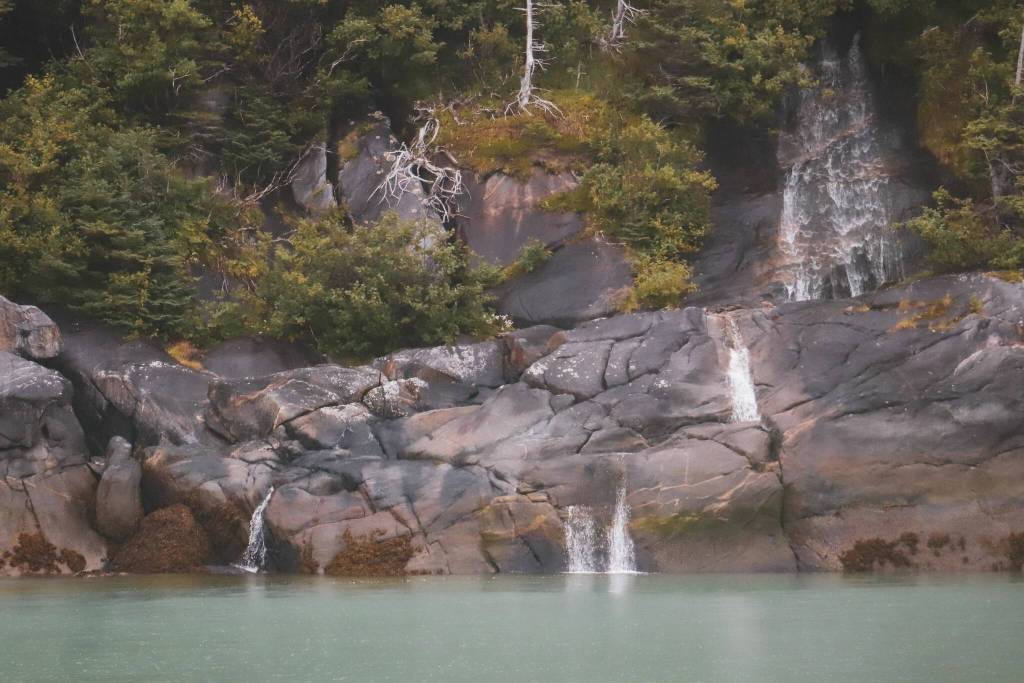
On Wednesday, the U.S. Environmental Protection Agency announced the eight organizations that will receive more than $1.7 million in funding from the EPA’s Transboundary Watershed Grant Program. The program aims to aid monitoring of transboundary watersheds and reduce transboundary mining pollution in U.S.-British Columbia transboundary watersheds.
The Central Council of the Tlingit & Haida Indian Tribes of Alaska was awarded $267,713 to support their work advancing the tribes’ existing water quality database and monitoring program in four transboundary watersheds, over the next three years, as well as improve the coordination of knowledge sharing and produce a comprehensive “state of the watersheds” report that would summarize the health of Alaska-B.C. transboundary watersheds, risks for B.C. mining operations, and opportunities for improved monitoring and multinational governance.
The Ketchikan Indian Community was awarded $264,084 to conduct four years of water quality monitoring in the Salmon River transboundary watershed in coordination with the U.S. Geological Survey. According to their grant summary, the Salmon River is a remote watershed with an operating mine in British Columbia that requires extensive travel and field logistics for monitoring.
The Alaska Department of Fish and Game will receive $126,615 to collect biological data and sediment element profiles on four Southeast transboundary rivers — the Taku, Stikine, Unuk, and Salmon rivers — to document baseline trends of whole-body juvenile Dolly Varden and periphyton as well as sediment concentrations for comparison with existing data sets, expanding upon past monitoring efforts.
Other selected organizations include the Confederated Salish and Kootenai Tribes, Kootenai Tribe of Idaho, Confederated Tribes of the Colville Reservation, Idaho Department of Environmental Quality and the Montana Department of Environmental Quality.
The grants are part of a larger effort by the EPA to address water quality impacts from “proposed, active and legacy mining activities in the Canadian province.” According to an Aug. 27 press release, the proposed projects collectively total more than $4.1 million, although the program has received a second year of funding and plans to incrementally fund the selected projects.
OITA Principal Deputy Assistant Administrator Victoria Tran said these grants respond to “Congressional direction to reduce pollution, protect U.S. waters, and directly support Pillar One of Administrator Zeldin’s Powering the Great American Comeback initiative to provide clean air, land, and water for every American.”