Elected officials: Safe mining needed for salmon
Published 2:30 am Friday, April 9, 2021

Salmon advocates, including members of the Congressional Wild Salmon Caucus, held a briefing Thursday laying out a number of strategies governments can take to incentivize mining companies to make environmental impacts a higher priority.
“We can’t say we’re anti-mining, we are for safe mining,” said U.S. Rep. Don Young, R-Alaska, co-chair of the salmon caucus.
Thursday’s briefing focused on ways the provincial government of British Columbia can improve financial assurance laws and make companies take the risk of environmental impact more seriously.
The caucus co-chaired the briefing with Salmon Beyond Borders, a salmon advocacy group working for better protections of salmon habitats. Advocates said one of the major issues impacting salmon habitats is mining pollution in waters that flow from one country into another, in this case from Canada into the U.S. Many of these transboundary rivers are home to salmon habitats that play a critical role in the culture and economy of the Pacific Northwest, advocates said, and companies need to be held responsible for the impacts their industry creates.
[Tulsequah Chief Mine moves closer to clean up]
If governments require companies to put aside money upfront for potential disasters and long-term cleanup efforts, they’re more likely to take environmental protections more seriously, according to Jason Dion with the Canadian Institute for Climate Choices. Alaska requires certain financial assurances, Dion said, as does Quebec, but companies in British Columbia have avoided liability and in some cases, costs for cleanup have fallen to taxpayers.
Governments need to put a price on risk and thereby incentivize businesses to reduce it, using a financial policy to deal with an environmental problem. It sounds more complicated than it really is, he said.
“The mine knows it’s going to create a mess, this is just creating a financial assurance (there’s money for clean up),” Dion said.
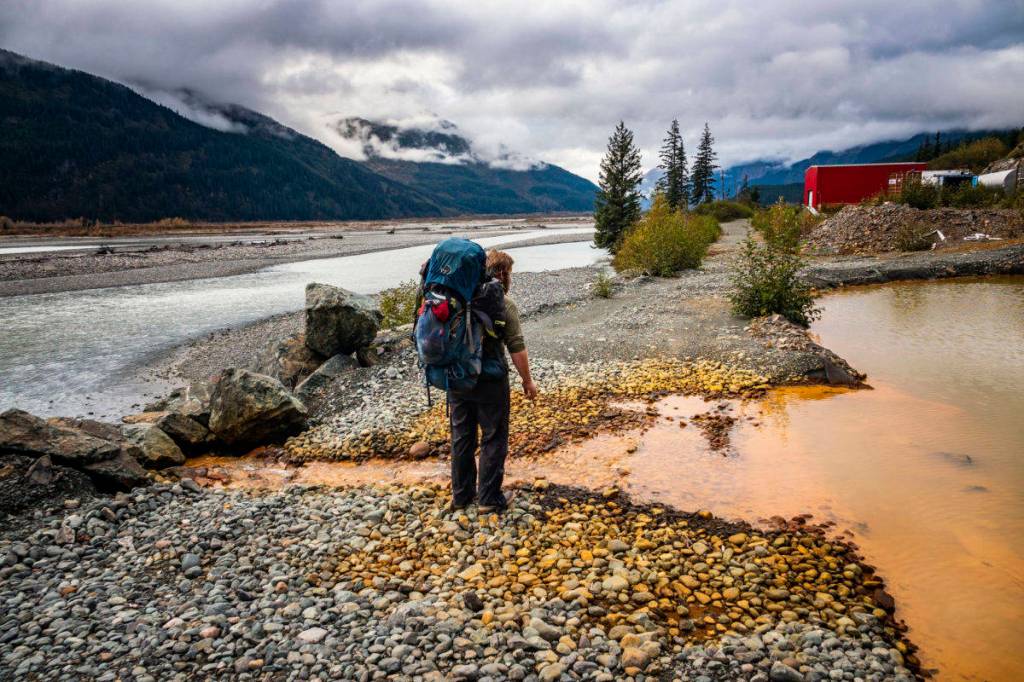
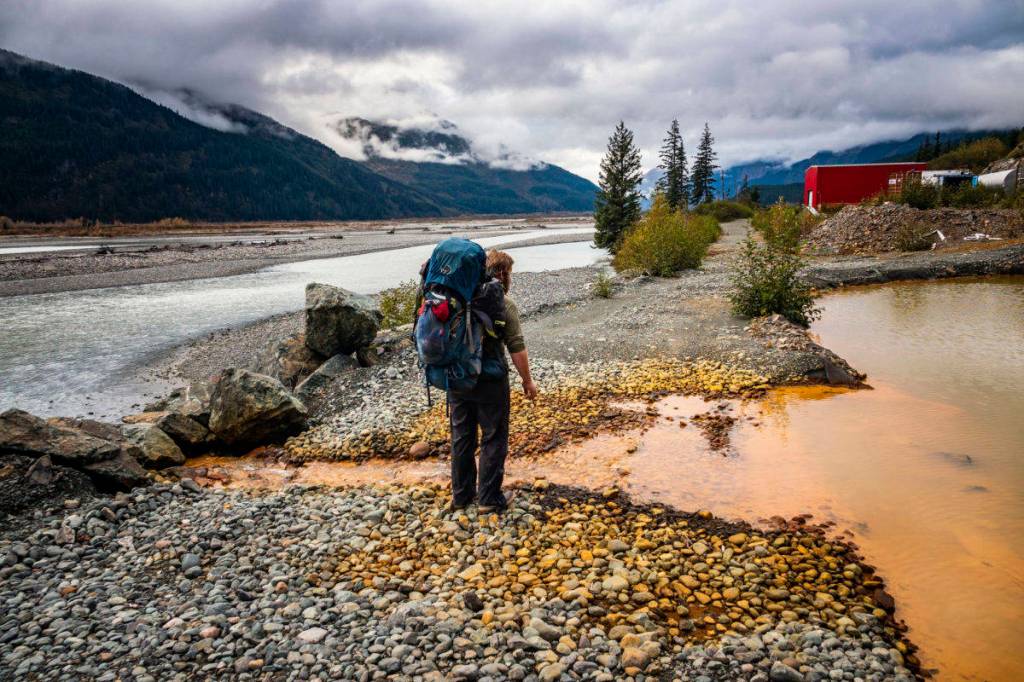
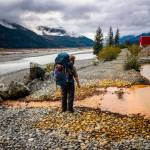
The Tulsequah Chief Mine has been leaking pollutants into tributaries to the Taku River since the 1950s, and cleanup efforts over the years have been stalled by litigation and bankruptcies. But the proposals would ensure there is at least some private money available to help clean up sites like the Tulsequah Chief Mine.
There are two types of risk governments should create assurances for, non-remediation and disaster, Dion said. The first would require companies to put money down for future cleanups, that way even if the company goes bankrupt in the future, that company’s money will still be used to clean up. Disaster coverage is meant to cover accidents or other emergencies such as a dam failure like the Mount Polley mine disaster in 2014. Who is responsible for cleanup at the Tulsequah Chief Mine is still being litigated, but in the meantime, the provincial government of British Columbia has put more than $1 million toward the effort.
Young said he discussed the issue with Canadian partners who’d expressed a willingness to develop a long-term solution. Young also stressed the need for working together to find pragmatic solutions.
Young’s colleague in the Wild Salmon Caucus, Northern California Democratic U.S. Rep. Jared Huffman, and Democratic Washington State Sen. Jesse Soloman spoke at Thursday’s virtual briefing alongside Young.
“Let’s get something done together, let’s not holler at one another,” Young said. “Hate creates problems, love does not.”
• Contact reporter Peter Segall at psegall@juneauempire.com. Follow him on Twitter at @SegallJnuEmpire.