
The Corporation for Public Broadcasting said Friday that it would shut down next year, effectively ending its half-century role as a backer of NPR, PBS and local radio and TV stations across the United States.
The organization will continue to support public broadcasters through a transition period that will end in January, said Patricia Harrison, its president and CEO, in a statement.
“Public media has been one of the most trusted institutions in American life, providing educational opportunity, emergency alerts, civil discourse, and cultural connection to every corner of the country,” Harrison said. “We are deeply grateful to our partners across the system for their resilience, leadership, and unwavering dedication to serving the American people.”
The Corporation for Public Broadcasting has been in the crosshairs of Republicans for decades. Conservative policy advocates, legislators and presidents argued persistently that the public shouldn’t be responsible for financing media they perceived as having a liberal bias. But repeated attempts to defund public broadcasters failed, until this year.
Congress voted last month to claw back more than $500 million of the organization’s annual funding in a narrow vote that played out along party lines. That forced the corporation into a cash crunch.
The Corporation for Public Broadcasting is among the first casualties of the clawback, which puts public radio and TV stations across the United States at risk of going dark. Scores of stations rely on government financing to fund their operations, especially those in rural areas. That has prompted public media advocates to raise concerns that listeners and viewers in those areas will be without access to news, cultural programming and potentially lifesaving emergency alerts.
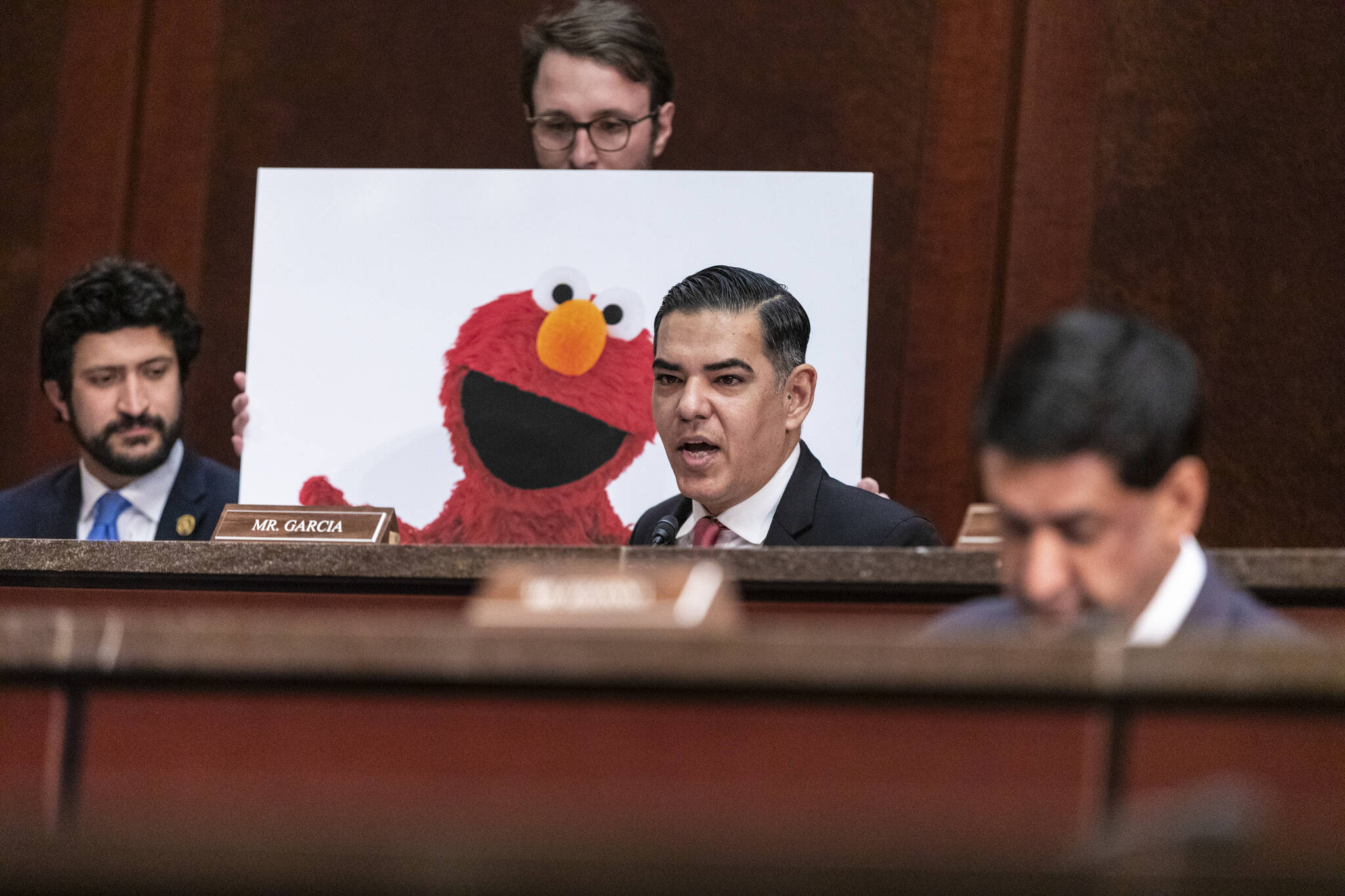
PBS, NPR and some of the most popular programs associated with public broadcasting, such as “Sesame Street” and “All Things Considered,” will survive without the Corporation for Public Broadcasting. NPR and PBS get a relatively small portion of their annual budget from the corporation, and children’s TV programs like “Daniel Tiger’s Neighborhood” are produced independently of those organizations.
Still, the cutbacks could affect the availability of those shows, particularly in pockets of the country without widespread access to broadband internet and mobile data. In some cases, the budgets of the shows have also been reduced; earlier this year, the Department of Education ended a $23 million grant that funded children’s educational programs and games.
Both PBS and NPR lamented the end of the Corporation for Public Broadcasting. In its statement, PBS said it was committed to “maintaining our service to the American people for years to come.” Katherine Maher, CEO of NPR, said in a statement that the corporation’s closure “represents the loss of a major institution and decades of knowledge and expertise.”
The company said it had informed employees that it would eliminate the bulk of staff positions at the end of September. After that, a small contingent of employees will stay on through January to wind it down.
Those employees will focus on making the corporation’s last distributions, resolving its financial obligations and sorting out the long-term fate of rights and royalties for music played on public media stations across the United States.
Harrison said in a statement that the corporation was being shut down despite the “extraordinary efforts” of millions of Americans who “called, wrote, and petitioned Congress to preserve federal funding” for the company.
The Corporation for Public Broadcasting was created in 1967 by the passage of the Public Broadcasting Act, part of an ambitious domestic policy agenda labeled “the Great Society” by President Lyndon Johnson. Congress was responding, in part, to the growing popularity of commercial television, which had been derided by Newton Minow, the former chair of the Federal Communications Commission, as a “vast wasteland.”
It has been a tumultuous few months for the organization. In April, the company sued President Donald Trump over his attempt to fire three members of its board of directors, which it called unconstitutional. The organization also pushed back against an executive order that tried to defund NPR and PBS, arguing that it was not a federal executive agency subject to White House authority.
Ultimately, however, it was Congress that delivered the deathblow.
Now, public broadcasters are turning to foundation funders, philanthropists and local donors to help resolve the coming cash crunch. Local stations across the United States have seen an outpouring of financial relief, with members in their areas turning out in droves to support their favorite programs.
Experts say that those donations by themselves will not be sufficient to offset the elimination in government funding, however, and that a broader overhaul of the public broadcasting system is needed.
This article originally appeared in The New York Times.
