USDA exempts Tongass National Forest from Roadless Rule
Published 9:30 pm Tuesday, October 27, 2020


This story has been updated to include new information.
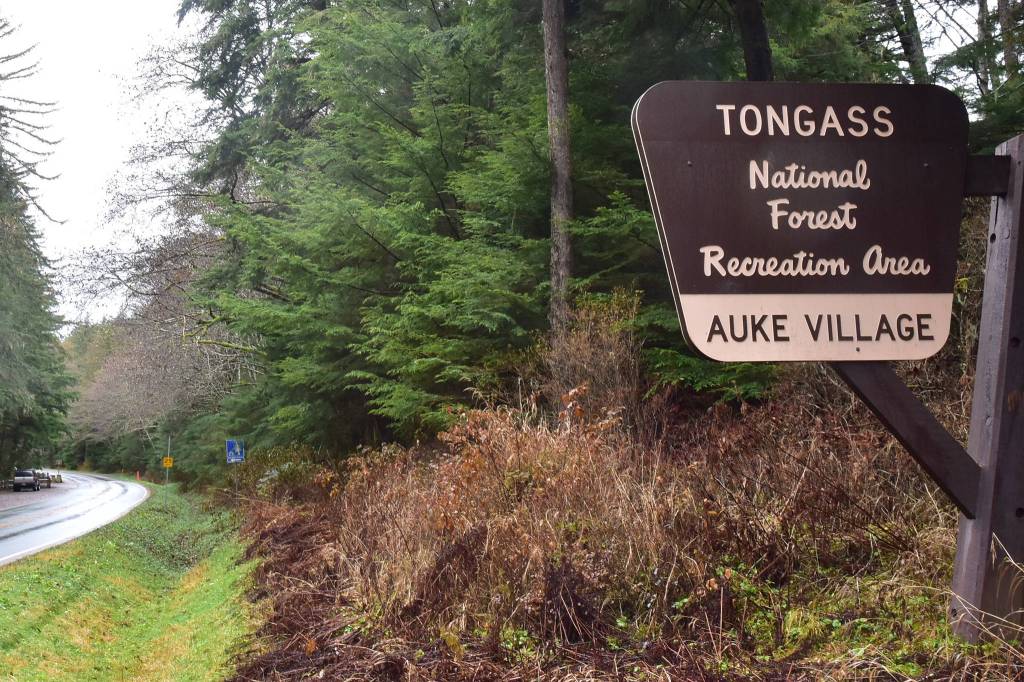
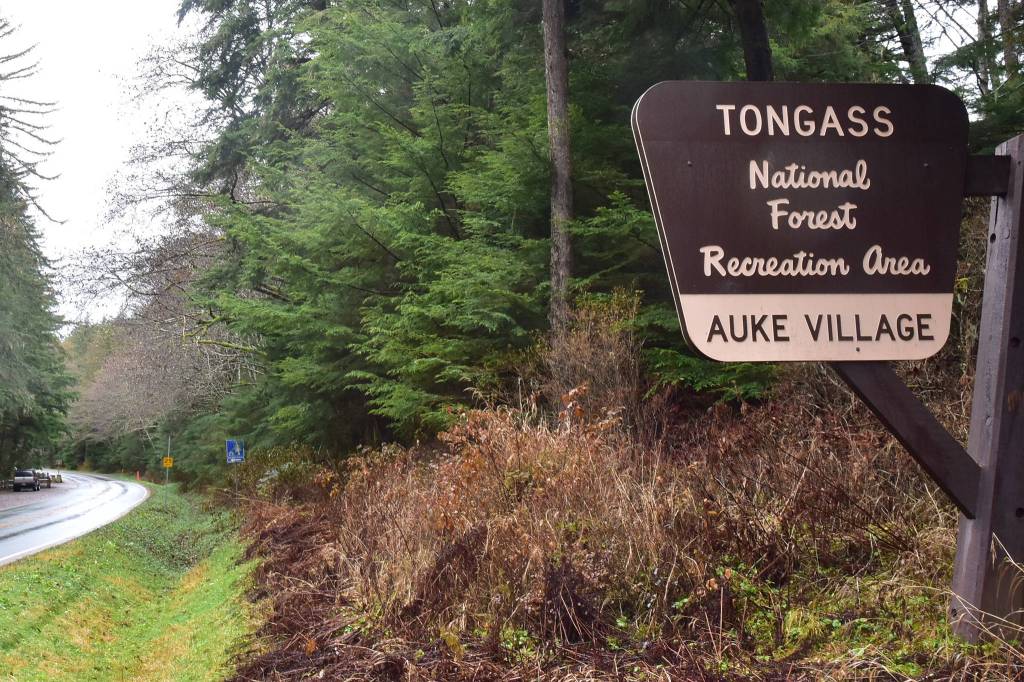
The U.S. Department of Agriculture announced its final decision Wednesday to lift the Roadless Rule on the Tongass National Forest.
USDA had already announced it intended to lift the rule in its final environmental impact statement released last month but had to wait 30 days before entering its final Record of Decision which will be published in the Federal Register on Oct. 29.

USDA, which oversees the U.S. Forest Service, released a pre-publication of the decision Wednesday which outlined the department’s rationale.
“The Tongass Forest Plan along with other conservation measures, will assure protection allowing roadless area values to prevail on the Tongass National Forest while offering additional flexibility to achieve other multiple-use benefits,” the announcement states.
The Tongass National Forest is the nation’s largest forest and the Roadless Rule has been a point of contention between various stakeholders in the region. Opponents of the rule say it puts too many burdens on development in the forest, making even small developments like infrastructure projects too costly to complete. But the rule’s supporters say it keeps critical protections in place to ensure conservation and protection of the Tongass, which serves both as a tool against climate change and is essential in the life cycle of salmon, another critical resource for Southeast.
State and local groups reacted strongly to the announcement in September and on Wednesday there was a similar outpouring of both praise and disappointment.
“Today’s announcement of final federal action exempting Southeast Alaska’s Tongass National Forest from a national ‘roadless rule’ represents hard-won liberation from inflexible federal mandates and a victory for the people of the state,” Gov. Mike Dunleavy said in a statement. “It is immensely gratifying to see the Trump Administration act on what I and four previous governors have so long argued: Alaska is a unique land whose potential for our state and nation can best be realized only when we’re free from the unthinking application of one-size-fits-all national rules, in violation of the Alaska National Interest Lands Conservation Act and the Tongass Timber Reform Act.”
Alaska’s Republican Rep. Don Young echoed the governor’s comments that the roadless rule was detrimental to Alaska’s development.
“Not only has the Roadless Rule put an unconscionable economic and social burden on Southeast Alaska, it also violates ANILCA and the ‘no more’ clause by locking up land from the people of Alaska,” Young said in a statement. “Today’s ROD is incredible news for our state and our economy, particularly in Southeast. I want to thank the Administration for working with me, our Congressional Delegation, Governor Dunleavy, and, most importantly, for listening to Alaskans.”
Opponents to the rule have said there are already numerous protections on the Tongass and in Alaska in general, and the roadless rule was a burdensome overreach.
“Every facet of Southeast Alaska’s economy is important and the potential adverse impacts from application of the roadless rule are not warranted, given the abundance of roadless areas and protections already afforded in the Tongass Forest Plan,” said Deantha Skibinski, executive director of the Alaska Miners Association in a statement. “Exempting the Tongass from the Roadless Rule will guarantee road access to locatable minerals for operators that can meet the rigorous environmental standards of (federal law) and the associated National Environmental Policy Act review. It would also authorize the cutting of trees needed to support mineral exploration and development.”
Earlier this year the Trump administration changed the NEPA process to allow companies to act on their own environmental reports, rather than hiring a third-party contractor to conduct an independent review in consultation with the Forest Service.
The rule’s supporters, however, argue the decision was made against the wishes of Southeast Alaskans. Supporters point out that 96% of public comments submitted on the decision-making process favored leaving the rule in place.
“This decision, driven by partisan politics, prioritizes propping up a bygone timber industry and ignores public comments from Alaska Native Tribes, commercial fishermen, local tourism operators, and subsistence users who all rely on a healthy Tongass for income and/or food security,” Southeast Alaska Conservation Council said in a statement.
[Rule recommendation met with both praise and distrust]
Salmon conservation group SalmonState made similar statements about the decision-making process ignoring Southeast Alaskans. SalmonState executive director Tim Bristol in a statement called the lifting of the rule “a politically mandated choice that ignores Southeast Alaskans, fishermen, Tribes, hunters, businesses, subsistence users and the vast majority of public comment in Alaska and across the nation.”
Three Southeast Alaska Native tribal governments pulled out of the review process last year, saying they were not being treated as cooperating agencies. Three of the five tribal governments pulled out of the process over their frustration in 2019, and earlier this year eight Southeast Alaska Native groups sent a joint letter to the USDA asking them to halt work on the rulemaking process, citing complications caused by the COVID-19 pandemic.
In November 2019, Organized Village of Kake President Joel Jackson traveled to Washington D.C. to testify before Congress on the Tongass’ importance to Alaska Native Communities. In a phone interview Wednesday, Jackson said the decision didn’t come as a surprise but still said it was “sad” and that the U.S. Forest Service ignored the public and disregarded tribal input.
“We’re talking with a number of other tribes right now,” Jackson said. “We’re still discussing what we’re going to do going forward. Obviously, a next step would be possibly litigation.”
Calls to Central Council Tlingit and Haida Indian Tribes of Alaska and the Organized Village of Saxman were not immediately returned. Tribal leaders previously expressed their disappointment to the Empire over the release of the environmental statement last month and expressed skepticism the existing protections would remain in place.
Most of the groups weighing in on the decision were based in Alaska, but the national budget watchdog group Taxpayers for Common Sense have long been opposed to lifting the rule on the Tongass, saying tax-payer money would have to be spent to build and maintain roads for use primarily by the resource industry.
“Today’s action by the Forest Service is nothing more than a blatant giveaway to the timber industry. Timber sales in national forests cost more than they make — they are money losers for taxpayers. Now we are adding the additional expense of more road building, paid for by taxpayers. Let’s call this what it is — a massive subsidy for the timber industry,” Autumn Hanna, TCS vice president said in a statement. “Today’s decision by the Forest Service is another example of this Administration giving away public resources to extractive industry, even when it increases federal spending. To do so when the country is in an economic crisis is just plain fiscally reckless and will carry a hefty price tag for taxpayers across the country.”
But some in Alaska have recently touted and expanded resource sector as a potential solution to the state’s economic woes. During this year’s annual meeting of regional development group Southeast Conference the resource industry, both mining and timber, were touted as potential sources of revenue for the region. Republican Sen. Lisa Murkowski pointed to Juneau’s two local mines, the Kensington Gold Mine and the Hecla Green’s Creek mine as examples of responsible resource extraction.
• Contact reporter Peter Segall at psegall@juneauempire.com. Follow him on Twitter at @SegallJnuEmpire.