Assembly narrowly rejects suspending relationship with Russian sister city
Published 10:30 pm Tuesday, April 5, 2022
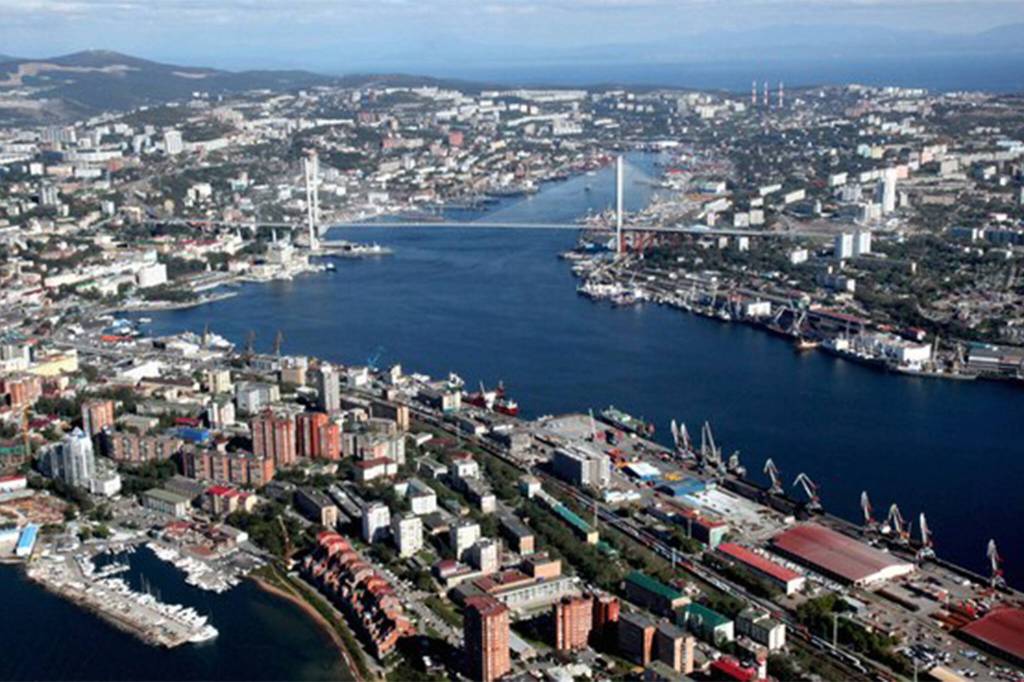


Juneau Assembly members unanimously agreed Russia’s invasion of Ukraine is horrific, but after a contentious debate Monday night voted 5-4 against suspending its sister city relationship with Vladivostok in the Russian Far East.
Supporters argued the resolution was an opportunity to take real action — even if in a tiny way — that might catch the attention of Vladivostok residents who are only getting Russia’s version of the invasion that began more than 40 days ago. Opponents questioned the municipality getting involved in global geopolitics and suggested severing ties would make it harder rather than easier to communicate with inhabitants of the sister city.
Juneau has three active official sister city relationships, including Whitehorse in Canada and Kalibo in the Philippines, with ties to Vladivostok established in a 1991 resolution to engage in educational, business, cultural and other exchanges. Juneau also has relationships with China and Taiwan that are in “emeritus status.”
The resolution to suspend ties with Vladivostok was introduced by Deputy Mayor Maria Gladziszewski, who said she was motivated by Gov. Mike Dunleavy’s plea for Alaska’s municipalities to suspend ties with their sister cities in Russia.
[Protesters, politicians call for cutting financial ties to Russia]
She said further motivation came from hearing a former Russian ambassador say any effort no matter how small is meaningful, and while “it’s not that we’re going to help with aid or help rebuild, it’s a way to get a message to people on the ground.”
“Obviously this is not going to end the war in Ukraine,” she said. “It’s a pebble. If it helps a few people in Vladivostok understand what’s happening and they talk to their friends about it maybe it will lead to action.”
Among the assembly members opposing the resolution was Alicia Hughes-Skandijs, who argued “from a process standpoint I think it’s extremely bad practice for the assembly to get involved in the geopolitical landscape.”
“I think that very quickly leads into a situation where we highlight our differences rather than meeting on our similarities in this town,” she said.
Numerous “extreme” comments about the resolution were submitted by local residents before Monday’s meeting, Hughes-Skandijs said, adding she doesn’t want to encourage a “local Red Scare.” Furthermore, she said many other contentious global situations could end up being raised, and this isn’t the first time Russia has been “a bad actor on the international landscape” in recent years, including similar bombings and killings in Syria beginning in 2015.
“We’re using Vladivostok as a pawn to make ourselves feel better,” she said.
A central theme of the debate was what impact, if any, suspending the sister city relationship would have on ordinary citizens in Vladivostok. Gladziszewski said the sibling ties established with a resolution in 1991 have been dormant the past few years, but suspending them might get the attention of the Russian community and convey the message of condemnation all assembly members seemingly agree on.
Countering that argument was Wáahlaal Gíidaak Barbara Blake, the assembly’s sister cities committee liaison, who noted Sister Cities International is opposing ending such relationships. Furthermore, while participation in sister cities activities has declined in recent years — the current local committee can’t fulfill a quorum with only three of seven seats filled — cutting ties to Vladivostok isn’t an effective or proper way to revive the sibling relationship.
“I want us to be very careful about the message that we are sending to Vladivostok,” Blake said. “Rather than punishing them for what their dictorator is doing, saying ’we’re still here.’”
Assembly member Michelle Bonnet Hale joined the assembly members favoring the resolution, noting that suspending the sister city relationship “doesn’t mean we can’t talk to them.” She also said the lack of action by different assembly members years ago shouldn’t dictate what the current members do in this particular situation.
“If Russia doesn’t lose this horrible war, we may not have taken the only action we may be able to take,” she said.
Comments from residents offered before and during the meeting were similarly split, although both people who spoke in person Monday evening favored the suspension. One was Luann McVey, who said her family hosted a couple of students from Vladivostok as part of a sister city exchange program years ago.
“I thought they were wonderful people and we learned so much from them,” she said. It seems implausible to her that Vladivostok residents know nothing about the Ukraine situation beyond what the Russian government tells them, “but it’s probably true.”
“I think this resolution will allow us as a small community to make a statement that might make a difference to those people,” McVey said. “Those people need to know what their president and their country are doing to Ukraine.”
Among residents in opposition was carolyn Brown, who in a written statement argued for offering encouragement of past relationships with the Russian city rather than a resolution whose wording is “punitive, pejorative and cruel.”
“We want to have our relationship with the citizens of Vladivostok in terms of our exchanges of travel, goods, educational and cultural resources for our citizens in Alaska as well as the citizens of Vladivostok,” she wrote.
The vote on the resolution came down to the wire with Gladziszewski, Hale, Greg Smith and Wade Bryson voting in favor. Hughes-Skandijs, Blake, Christine Woll and Carole Triem voted against.
That left Mayor Beth Weldon with the tie-breaking vote, but there was no suspense since she declared a few minutes earlier that while she appreciated the careful wording and sentiment of the resolution she opposed its purpose because of what sister cities should strive to embrace.
“People, not government,” she said.
The assembly did unanimously support Weldon sending a message to the mayor of Vladivostok expressing support for Ukraine and opposition to Russia’s invasion. But that didn’t entirely fulfill Gladziszewski’s desire to take meaningful action.
“I think it’s doing something, but I don’t think it’s the same,” she said afterwards. “I want to get the message to the people.”
• Contact reporter Mark Sabbatini at Mark.Sabbatini@juneauempire.com.