
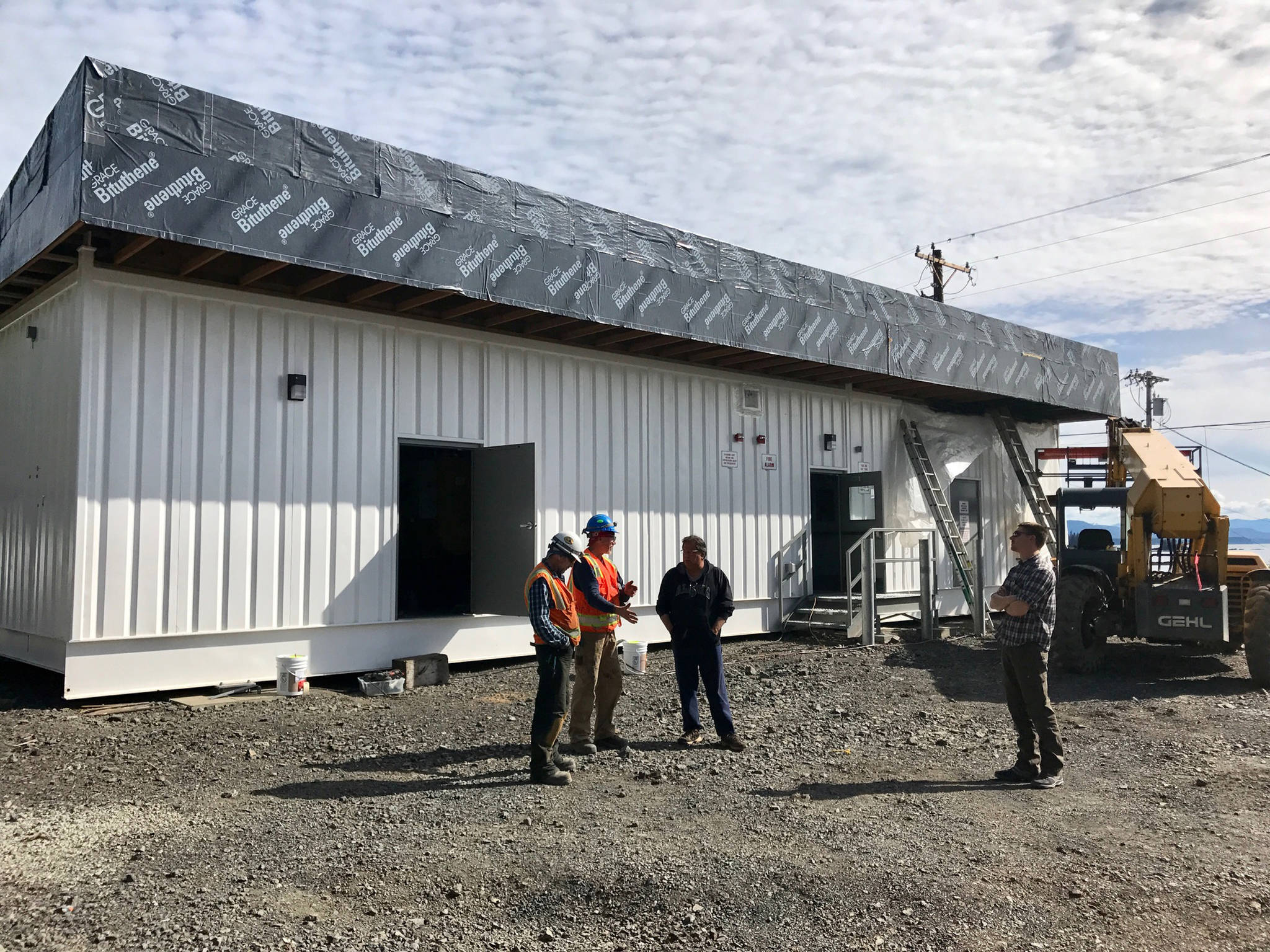
With state funding drying up, the Alaska Energy Authority is considering a major change to the way it supports rural power projects, and customers are likely to pay more as a result.
In a unanimous vote Thursday, the AEA’s board of directors voted to begin drafting new rules for a 19-year-old program that has sent millions to small power grids across the state.
The Rural Power System Upgrade program distributed $192 million in grants between 2001 and 2015, but funding for the effort has been slashed by the Alaska Legislature and the federal Denali Commission, which is funded by Congress and charged with supporting rural development.
The tentative solution: Transforming the program into a system of matching grants and state-backed loans. That switch means small communities will now be asked to (at least partially) pay for something they now receive for free. The costs will be passed to customers.
“I’m hoping there won’t be too many people who want to burn the house down when we go out with this regulation,” Katie Conway, AEA’s government relations specialist, said during Thursday’s board meeting.
Long history of subsidies
Alaska has subsidized electrical prices since statehood in every community.
The state directly subsidizes rural power bills through the Power Cost Equalization program, which pays significant portions of residential electric bills in rural communities. It also offers indirect subsidies through grants that buy new equipment.
The Rural Power System Upgrade program, created in 1999, is one of those indirect subsidies. It is funded primarily with federal money from the Denali Commission but also receives a varying amount of state dollars. To receive help from the program, a community has to have between 20 and 2,000 residents and be unconnected to the Railbelt, Juneau or other major hydroelectric power grids. About 170 communities meet those requirements.
Because AEA has grants specifically for renewable energy, most RPSU grants pay for upgrades to diesel-fired generators.
“Grants make it so we don’t have to borrow for those projects,” said Jodi Mitchell, CEO and general manager of the Inside Passage Electric Cooperative, which serves Hoonah, Kake, Angoon and the Chilkat Valley.
“If we had to borrow just to replace the diesel generators to keep our power plants going, that would of course frustrate our efforts to invest in hydropower, which is both clean, and water is free,” Mitchell said.
This year, the RPSU program will distribute $21.9 million; $10.9 million from the Denali Commission and $11 million from the state. (This doesn’t count $11 million going specifically to renewable energy projects, some of which are located in RPSU communities.)
That’s more money than the program received last year, and much more than it has received in recent years, but AEA economist Cady Lister said that figure is misleading.
Two years ago, the Alaska Legislature changed the way the program is funded; it now receives money from the proceeds of the endowment fund used to pay for the Power Cost Equalization subsidy program. That program pays for much of the cost of residential electricity in rural Alaska and is backed by a billion-dollar investment account. When the account earns more money than needed to pay for the subsidy, it provides cash for community revenue sharing and energy projects including the RPSU program.
In 2016, the fund didn’t earn enough to pay anything for revenue sharing or energy projects in 2017. In 2017, the fund had an enormously successful year and made enough money to pay for both community revenue sharing and energy projects.
“It’s very uncommon to have the earnings that we had in that one year,” said Lacey Sanders, a budget analyst with the Legislative Affairs Agency.
“We have no guarantee that we will receive this kind of funding again,” Conway said in a phone interview with the Empire.
Coming changes
In Thursday’s meeting of the seven-member AEA board, staff recommended a system of flexible grants and loans contingent upon local support. Individual grants would be capped at $4 million per community, and communities would be required to pay some money of their own, too.
The amount of the local contribution will vary based on the population of the community and the cost of electricity there. The goal is to cap any potential rate increases at 5 cents per kilowatt-hour.
To put that figure in perspective, Alaska’s average residential electric rate was 21.61 cents per kilowatt-hour in April, according to figures from the Energy Information Administration. Among RPSU communities, the average is 58 cents per kilowatt-hour. Some are much higher. The tiny community of Lime Village, near Bethel, has the state’s highest electric prices: $1.77 per kilowatt-hour. That’s 17 times the cost of electrical power in Juneau.
Because of the extensive subsidies given to rural power, much of the increase will be borne by the Power Cost Equalization Program, effectively asking a subsidy to pay for a subsidy.
As Lister explained in a phone interview, the electrical grids of small communities across the state are at a critical point. In the 1980s and 1990s, the state invested heavily in electrical infrastructure. The recent slump in oil prices came just at the time when many of those small electrical plants needed replacement or major maintenance.
That is driving the need for a modified RPSU program.
Any changes won’t happen quickly. The AEA doesn’t expect to begin drafting regulations for the revised program until this fall, and it will seek extensive public comment as it moves forward. Draft regulations won’t be available until winter, and they aren’t expected to be final until next spring or summer.
AEA board member Gary Wilken said that’s likely to be an optimistic timeline.
“They are getting something today for free,” he said at the close of Thursday’s meeting. “You’re going to ask them to pay tomorrow without a benefit.”
He suggested it might be better for AEA to create a pilot project to demonstrate how the new funding formula will work. Even then, acceptance will be slow, he predicted.
“It’ll take decades to make this thing work,” he said.
• Contact reporter James Brooks at jbrooks@juneauempire.com or 523-2258.
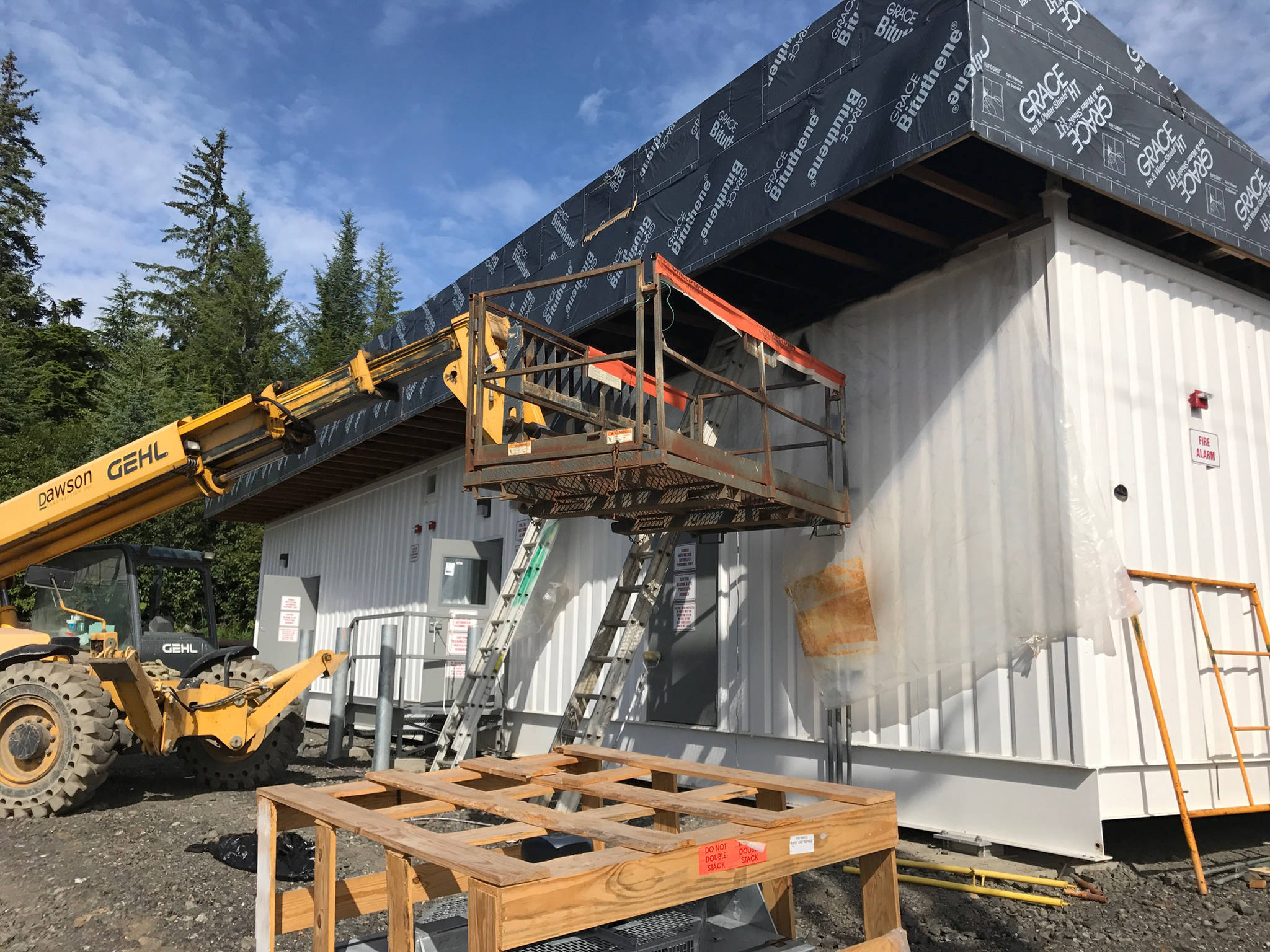
In 2017, a Rural Power System Upgrade grant from the Alaska Energy Authority paid for renovations by the Inside Passage Electric Cooperative to the diesel powerhouse in Kake, seen here in a photograph provided by IPEC CEO Jodi Mitchell. The AEA is considering changes to the program, with major implications for rural electric customers. (Courtesy photo)
