
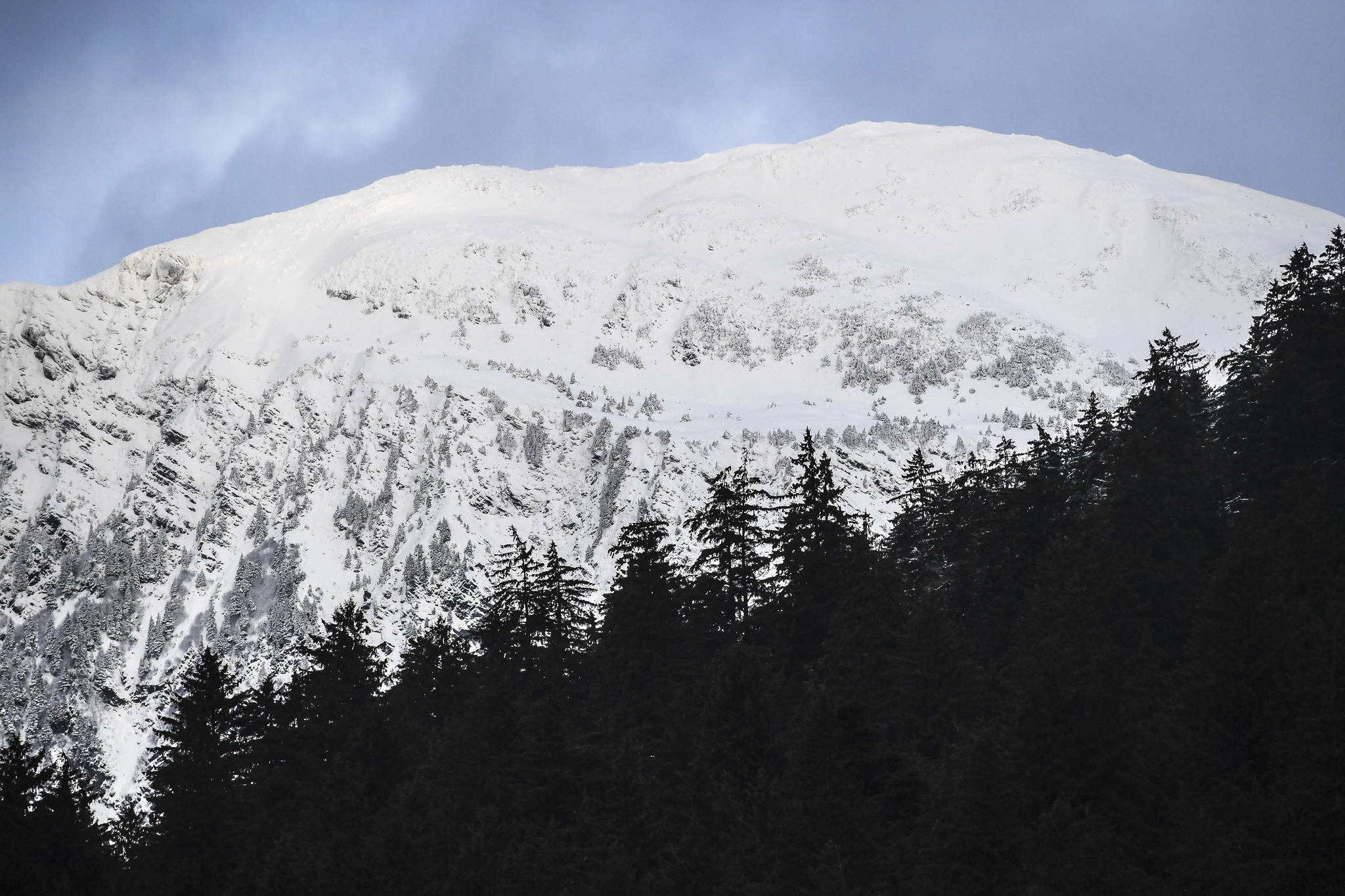
Snow makes a great blanket — albeit damp and cool — insulating whatever lies below it from cold air above.
As we found out not long ago, a few inches of snow kept solid (walkable) ice from forming on ponds, even after many days of single-digit temperatures.
Lots of critters make use of the snow. Ravens roll and toboggan; otters slide. Red squirrels often make winter nests in and under their snow-covered middens. Marten, the most arboreal of the weasel family, find winter resting places under the snow. They often use places where fallen branches and stumps intercept snowfall, creating spaces for resting as well as easier access to subnivean prey. They are reported to rest frequently in red squirrel middens, including those occupied by squirrels. Even birds find shelter under snowy blankets. Ptarmigan make burrows for night-time shelter, leaving little piles of fecal pellets in depressions, which we find in spring as the snow melts from the top of the burrow. Redpolls cluster together in tunnels under the snow to keep warm.
A lot goes on underneath the snows. Invertebrates of many kinds live in subnivean places. There are springtails, beetles and other insects, and spiders — some of them dormant, some of them active at least periodically. They are prey for shrews, which have to eat every few hours) and mice.
[Juneau basketball teams stand tall against visiting teams]
Keen’s mouse — the coastal form of the deer mouse — makes snow-blanketed nests in crevices or shallow burrows or cavities in logs and stumps. They often have short periods of torpor, to conserve energy, and make small caches of seeds. Unlike voles, they commonly come above the snow when foraging.
Voles and shrews scuttle along their tunnels, sometimes pursued by voracious weasels — ermine in much of Alaska and least weasel in the interior — that fit easily into those tunnels. Their nests are typically balls of vegetation with a cozy cavity, occasionally appropriated by a weasel that consumed the nest-maker. Meadow voles may even breed in winter if the snow blanket is thick and the food supply is good, but their mortality can be extremely high if the snow cover thins or their nests get wet. Many kinds of voles make winter food caches of roots and seeds and shrews often store prey for later eating.
Lemmings stay active all winter. Brown lemmings harvest the bases of grasses and sedges, as well as a lot of moss — an unusual food, not very digestible. Winter nests under the snow are thick-walled and often lined with their molted fur. The northern collared lemming makes long snow tunnels on the tundra in winter; snow burrows have nest chambers and separate latrines. The winter diet includes lots of low-growing willow bark and buds, reachable under the snow. They may even breed in winter, if the snow cover is really deep. The widespread northern bog lemming is the only lemming in Southeast, living in sphagnum bogs and other habitats. It makes nests and burrows under the snow, but little is known about its ecology.
[Wild Shots: Photos of Mother Nature in Alaska]
Pikas are small relatives of hares that customarily live on rocky mountain slopes with nearby meadows. There are two species in North America, one in the Rockies and Cascades, and the collared pika in Interior Alaska and Yukon. All summer long, they industriously gather grasses and herbs from the meadows to make hay piles in the rocky talus slopes; each pika may collect over twenty kilos of hay, making many trips per hour. Each pika defends a territory from other pikas and thus protects its haystacks. Most of the winter is spent under the snow, in burrows and crevices, living off the stored hay. Pikas are well adapted to cold but are very sensitive to heat; on hot summer days, they hide in the rocks. Warming climate is a serious threat to their populations. In the southern Yukon, average temperatures have risen about two degrees C per decade since the 1960s, and the warming trend has already reduced pika numbers in some areas by ninety percent! There is no place for them to go: they can’t just move higher on the mountains since they are already there, and they can’t cross the warm valleys between the mountains.
Loss of snow cover is just one of the many well-documented deleterious effects of human-generated climate warming.
• Mary F. Willson is a retired professor of ecology. “On The Trails” is a weekly column that appears every Wednesday.
