
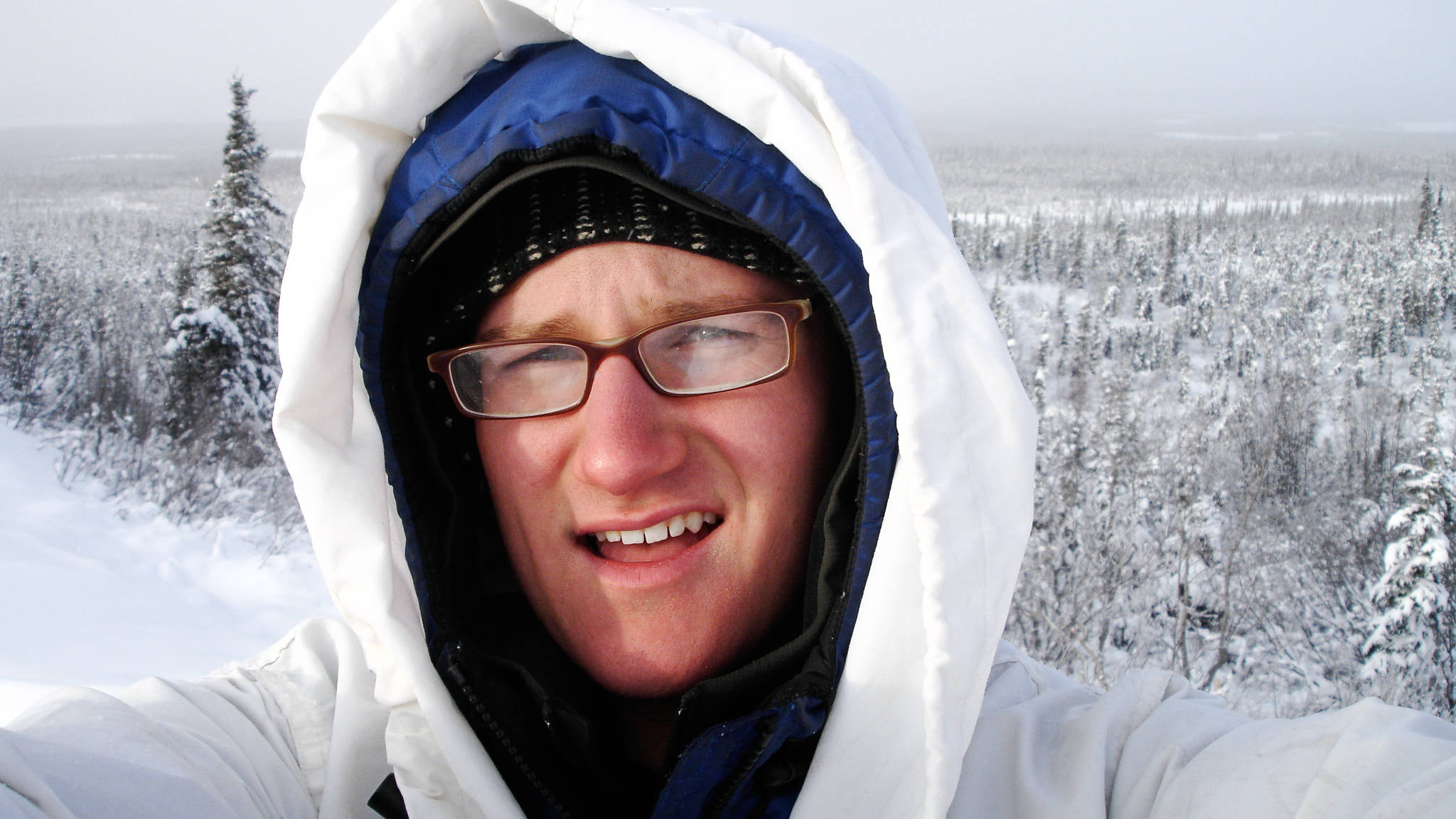
We’re often told to protect what we love. But love has its limitations. Most people have difficulty looking after even their own self-interest very far into the future; it’s harder still to include among our loved ones creatures we’ve never seen or people who won’t be born for centuries. Yet these are the scales on which sustainability plays out. In a world where individual species and ecological systems are inextricably intertwined, protecting what you love impossibly means protecting everything. On this entangled planet, there’s simply too much to love, and too deeply.
Given this dilemma, how do we move forward? One way may be to develop a version of what Martin Luther King, Jr., called “a kind of dangerous unselfishness.”
This phrase occurs in King’s final, incendiary address, delivered the night before his death. There King retells the biblical parable of the good Samaritan, in which a traveler from Samaria risks stopping on a dangerous road to help the victim of a robbery. The victim is a Jew, making the Samaritan’s actions all the more extraordinary. Two others hurry past, fearing for their own safety. They ask themselves: “If I stop to help him, what will happen to me?” It’s the Samaritan who looks beyond himself to reformulate the question. He asks, “If I don’t stop, what will happen to him?”
King uses the parable of the Good Samaritan to make a point about race and political action. Too frequently, the struggle for civil rights is borrowed as a breezy simile for some other cause. Without losing sight of this fact, I want to risk a different reading, one that links King’s idea of “dangerous unselfishness” to the issue of sustainability. More than an invitation to love neighbors as versions of yourself, lovable to the extent of their neighborly familiarity, King’s dangerous unselfishness dares to look beyond the horizon of the self, and recognize how constitutively we’re connected to other people’s problems. This is dangerous in the sense that it exposes the frictions enflaming our borders — borders of self, sect, party, and other forms of defining difference. But to exist otherwise has never been an option. I read King’s parable as a story of sustainability, in the sense that it focuses on the concrete work of building together a livable future on this earth.
Considering such a future begins with reconsidering how we value Alaska. Many still view the state with a Gold Rush mentality: get in, get rich, get out. Television echoes this thinking, romanticizing the rugged individualism of modern “frontiersmen,” rather than, say, the simultaneously social and ecological connections that knit this state together. What would a dangerously unselfish vision of Alaska look like? Who would be its heroes and heroines? How would its policymakers allocate natural resources to public and private use, and how would opposing user groups accommodate each other? Would its economies prioritize short-term growth or long-term sustainability?
The University of Alaska prepares students to tackle crux questions like these. For example, at the Juneau campus this semester, Prof. Lance Twitchell’s seminar on Alaska Native Ecological Knowledge examines the evolving relationships between Alaska’s environments and native peoples. If we are to think seriously about our state economy’s dependence on ecological systems millennia in the making, we leave unacknowledged at our peril the intellectual authority of human societies that have flourished here in a meaningful sense of the word ‘forever.’
Similarly, our Outdoor Studies degree track considers renewable industries like tourism and outdoor recreation as more than self-serving pursuits. Intimately cosmopolitan, they are grounded in place but part of a global economy. Outdoor Studies faculty like Prof. Forest Wagner offer a critically sophisticated springboard for addressing the ethical and environmental challenges that link Alaska to a globalized world.
Inquiries like these are essential to imagining a sustainable Alaskan future because they ask us to look wider, longer, farther, closer, not always comfortably, and sometimes where we least expect. They undertake the colossal project of thinking strategically at challenging scales beyond the self, and in doing so, help us to develop the dangerous unselfishness of sustainability.
• “Sustainable Alaska” is a recurring column, appearing on the first Friday of every month. It’s written by UAS Sustainability Committee members who wanted to promote sustainability. The views expressed here do not necessarily represent the views of the University of Alaska Southeast. Dr. Will Elliott is a Term Assistant Professor of English at UAS and lives in Juneau.
