
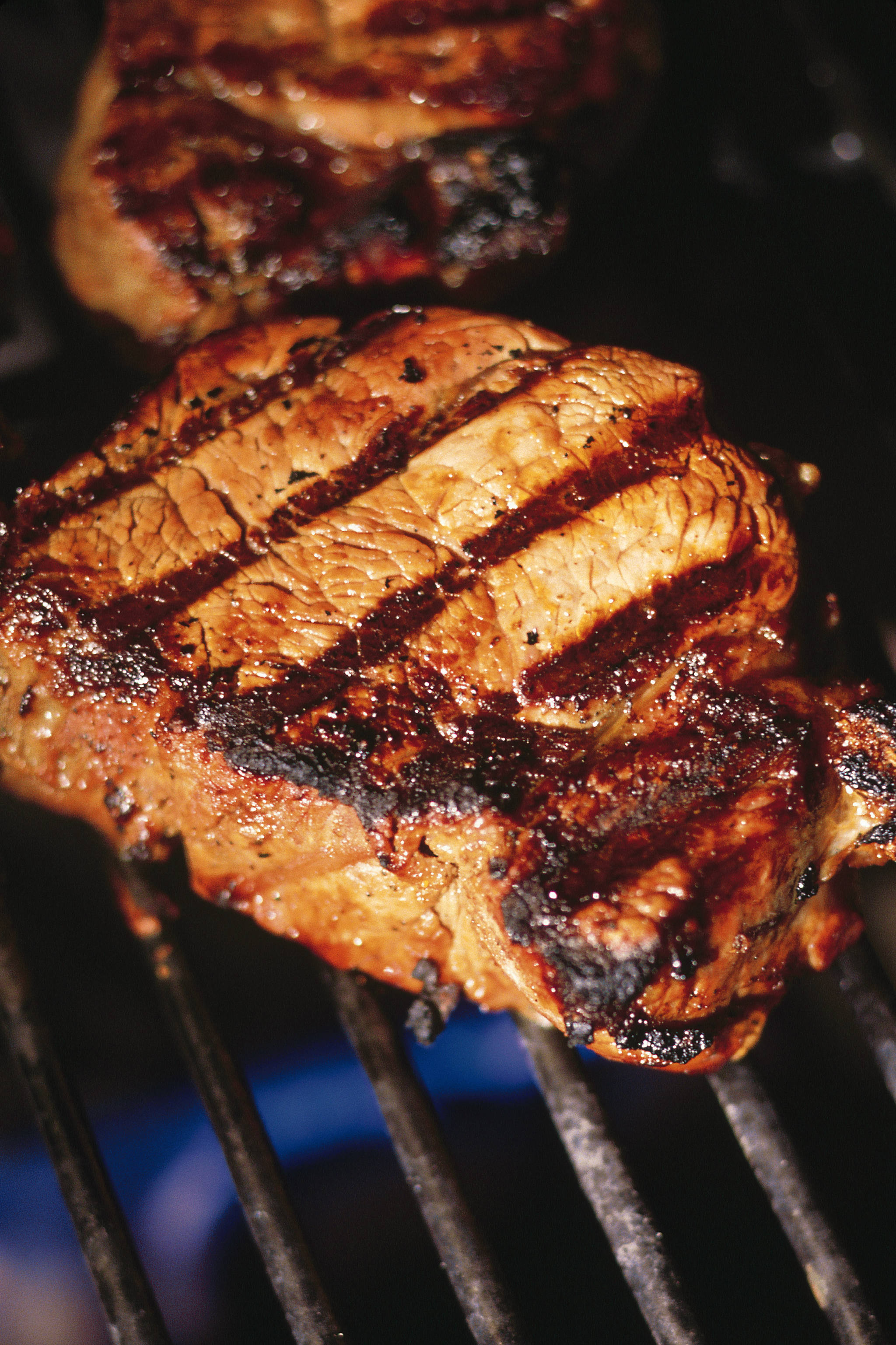
Ask me if I would eat a burnt steak and I’ll have to ask you what you mean by the word “burnt.” Some Americans consider “burnt” as a bit scorched on the top; when I think “burnt” I think charcoal-look, charcoal-taste. I’d probably say no, but then you’d question me when I pull out a steak I consider well-done but you consider charcoal.
Ask me what I think of discrimination in the capital city and I’ll ask you, what do you mean by discrimination? Not because it doesn’t exist here but because everyone has a different view on racism, just like we’ve got a different view on steaks.
When it comes to steaks, “burnt” is what I’ve known all my life. Of course, I didn’t know it was burnt until one of my friends stopped byand exclaimed “this is burnt!” in front of my mother, the proud Filipino cook. She didn’t take offense; steaks are steaks, right?
My brother doesn’t think so. He’s 14 and cooks his own food, because he doesn’t like it when my mom serves a mildly burnt steak with aside of rice and chili sauce. He learned how to make mashed potatoes a few months ago. Yet, he thinks my mom and I are the weird ones in the family.
Maybe it seems absurd to compare a steak to something like discrimination, because when we think discrimination we think: racism, sexism, ableism, ageism, a whole rut of “isms.” Discrimination can be an upfront killer, merciless in design and action. But what about the smaller actions, the consequences that come from our differences?
There was an article circulating social media about a Malaysian first-generation immigrant. She gained admission to all eight Ivy Leagueschools. Her application essay was about learning English and, just as importantly, teaching English to her mom. “In our house, English is not English,” she starts. Instead, “snake” was “snack” and “film” was pronounced flim.” Language and pronunciation were two differentbeasts, and the latter was one that proved difficult for her to tame.
Reading her essay, I wondered: was she ever made fun of for the way she’d blur each word, told that the way she said “slip” made her sound like she had a lisp? My own mom knows English well — better than a lot of Filipino immigrants who come to Juneau — but that never stopped my own words from sitting awkwardly between tongue and teeth. Some people naturally have a hatred for public speaking, but it’s worse when you’re asked to talk in front of your fellow 6th grade peers, not knowing which word they will berate you for pronouncing wrong.
Cassandra Hsiao and I took the same route from there. “I rejected the English that had never seemed broken before, a language that had raised me and taught me everything I knew. Everybody else’s parents spoke with accents smarting of Ph.D.s and university teaching positions. So why couldn’t mine?”
Except why just words? Why not go all out, become a full-frontal, honorary white person? Those were the thoughts that dominated my middle-school aged thinking, and I see it reflected in the way my brother scorns Filipino food, “burnt” steaks and most recently, by saying he’d never marry a Filipino girl.
Ask me what I think about burnt steaks or discrimination. I might just say I’d take them both at their worst, because the more burnt the steak the harder it is for anyone to deny it’s inedible.
• Tasha Elizarde is a high school senior living in Juneau. Her column comes out twice a month. She also writes “This Day in Juneau History” for the Juneau Empire. Read more at tashaelizarde.wixsite.com/thestorysharer.
